❄️Commercial Refrigeration - Keeping It Chill
Foodservice Equipment Depot (FED) supplies new commercial refrigeration to restaurants, bars, grocery, hotels, institutions, food trucks and producers across Canada — reach-in coolers and freezers, prep tables, undercounter and worktop units, chef bases, back bar and keg coolers, merchandisers, walk-ins, ice machines and chest freezers.
Refrigeration is different from every other category in a commercial kitchen, and three things explain why.
It never turns off. A fryer runs during service. A cooler runs 8,760 hours a year for its entire life. Over ten years, the electricity to run a commercial cooler can cost more than the cooler did — which means the cheapest unit on the page is frequently not the cheapest to own.
Where it sits determines whether it survives. Every unit has a maximum ambient operating temperature, commonly around 24°C. A cooler beside a fryer, a back bar next to a glasswasher, or a unit in an unventilated back room is past that, and a unit rated below its actual conditions runs near-continuously and wears out years early. This is the single most common cause of premature refrigeration failure.
The condenser has to breathe. Restricted airflow does the same damage as excessive ambient, and it's the most common installation error — particularly on units built into cabinetry.
Get those three right and refrigeration is reliable, low-drama equipment. Get them wrong and you'll replace units on a four-year cycle and never know why.
All three are covered below, along with a guide to which category you need. Browse by type, or call 403.923.2270 and tell us what you're storing and where.
Read More
Commercial Back Bars Coolers Commercial back bar coolers from Foodservice Equipment Depot (FED) keep beverages perfectly chilled, visible, and ready to serve in fast-paced bar and hospitality environments. Designed for b...
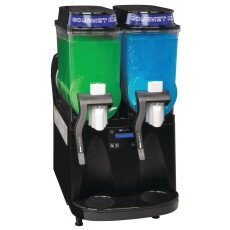
Commercial Cold Beverages Machines Commercial cold beverage machines are professional drink dispensers designed to serve chilled beverages quickly and consistently in restaurants, cafés, convenience stores, and foodservi...
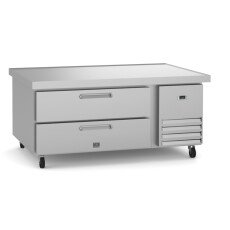
Commercial Chef Bases Commercial chef bases from Foodservice Equipment Depot (FED) combine cold storage and durable cooking support in one essential workstation. Designed for restaurants, hotels, catering kitchens, and i...

Commercial Ice Cream Machine Commercial ice cream machines from Foodservice Equipment Depot (FED) are built for high-volume performance and consistent results. Ideal for ice cream shops, cafés, restaurants, and frozen yo...

Commercial Chest Freezers Commercial chest freezers from Foodservice Equipment Depot (FED) are designed for bulk frozen storage, long-term preservation, and reliable performance. Ideal for restaurants, grocery stores, bu...
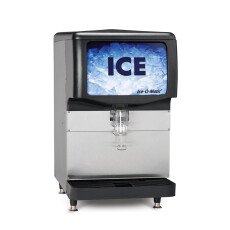
Commercial Ice Equipment Commercial ice machines are professional ice production systems designed to supply a consistent, hygienic source of ice for restaurants, bars, hotels, healthcare facilities, and foodservice opera...

Commercial Coolers Commercial refrigerators are essential equipment for the foodservice, hospitality, and retail industries. They provide reliable cold storage to keep perishable foods fresh, safe, and ready for service....
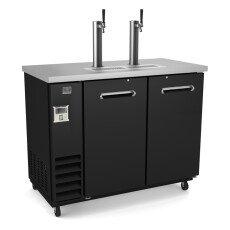
Commercial Keg Coolers Commercial keg coolers are refrigerated units designed to store and chill beer kegs at the ideal serving temperature. They are essential for bars, restaurants, breweries, and event venues that serv...
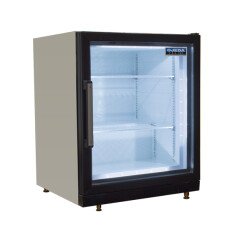
Commercial Freezers Commercial freezers from Foodservice Equipment Depot (FED) deliver powerful, energy-efficient freezing for restaurants, supermarkets, catering operations, and food production facilities. Built for hig...

Commercial Preparation Table Coolers Commercial preparation table coolers are refrigerated workstations that combine a stainless steel prep surface with built-in cold storage. They are essential for restaurants, pizzeria...

Commercial Upright Coolers Commercial upright coolers are vertical, space-saving refrigerators designed to store and display food and beverages at safe, consistent temperatures. These glass door upright coolers are widel...
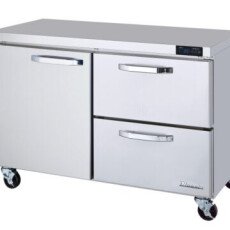
Commercial Undercounter Coolers Maximize efficiency with commercial undercounter coolers from Foodservice Equipment Depot. These space-saving refrigerators fit neatly under counters, giving your team fast, front-access t...
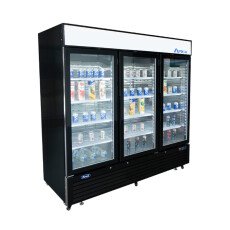
Commercial Upright Freezers Commercial upright freezers are vertical, space-saving frozen storage units designed for restaurants, cafés, bars, and institutional kitchens. These commercial freezers provide reliable, high-...

Commercial Undercounter Freezers Commercial Undercounter Freezers – Compact, Efficient Frozen Storage for Professional Kitchens. Maximize space and streamline your kitchen operations with commercial undercounter freezers...
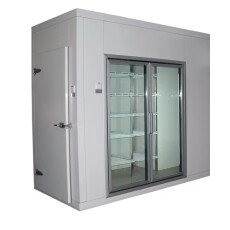
Commercial Walk-In Coolers Cold Zone walk-in coolers are large-capacity commercial refrigeration units designed for restaurants, grocery stores, hotels, and foodservice operations. These commercial walk-in coolers provid...

Commercial Walk-In Feezers Cold Zone Walk-In Freezers for Restaurants, Grocery Stores & Foodservice Operations Keep your food fresh, safe, and ready to serve with Cold Zone Walk-In Feezers from Foodservice Equipment...


Coolers
Upright coolers — one, two and three door reach-ins in solid and glass door, for back-of-house storage.
Undercounter coolers — low-profile units, worktop refrigerators and refrigerated drawers for tight lines and bars.
Prep table coolers — sandwich, salad, pizza and mega top units with chilled pan rails.
Chef bases — refrigerated equipment stands rated to carry griddles, charbroilers and fryers.
Freezers
Upright freezers — reach-in freezers in solid and glass door configurations.
Undercounter freezers — low-profile, worktop and drawer freezers for the line.
Freezers — merchandisers, display and novelty freezers, blast freezers and prep tables.
Chest freezers — solid and glass lid bulk and display freezers.
Bar and beverage
Back bars — bottle and glass door bar refrigeration.
Keg coolers — direct-draw keg coolers and draught equipment.
Ice
Ice equipment — modular and undercounter ice machines in cube, nugget and flake, with bins, dispensers and water filtration.
Walk-ins
Walk-in coolers — modular panel boxes with matched refrigeration, indoor and outdoor.
Walk-in freezers — low-temperature boxes with frost protection and defrost.
Not sure which you need? Call 403.923.2270 and describe your storage and your space.
Every piece of commercial refrigeration carries a maximum ambient operating temperature on its data plate. Most standard equipment is rated for around 24°C (75°F).
Why kitchens exceed it routinely. Cooking equipment radiates heat. Bars have lighting overhead and glasswashers alongside. Back rooms are often unventilated. A commercial kitchen in July is simply hot. Ambient temperatures of 27–32°C in working areas are entirely normal.
What happens to an underrated unit. The compressor runs near-continuously trying to hold temperature. Electricity consumption rises substantially. It can't recover between door openings, so product sits warmer than it should. And the compressor accumulates wear at a rate that shortens its life dramatically — the unit that should have lasted ten years fails in four.
It's worse on freezers. A freezer already works against roughly twice the temperature differential a cooler does, so it has far less headroom in the same position.
What to do. Ask for the ambient rating before you buy and choose a higher-rated unit where the space runs hot. Think about siting — a cooler beside a fryer will always struggle. And if you're replacing refrigeration that died young, ambient heat is the most likely reason; buying the same specification again will produce the same result.
The requirement. Every self-contained unit needs to reject heat, and the condenser needs air moving across it to do that. Manufacturers specify minimum clearances, and those figures are a requirement rather than a recommendation.
What goes wrong. Units get pushed tight against walls, boxed into millwork, or wedged between equipment. The condenser recirculates its own hot exhaust, the unit runs continuously and fails early. It looks like an equipment fault and it's an installation error.
Breathing direction matters, particularly on undercounter units. Front-breathing units draw intake and exhaust through the front grille and can be installed flush into cabinetry. Rear and side-breathing units need clear space behind or beside them. If you're building refrigeration into millwork, front-breathing is what you need — and this is decided before purchase, not after.
Top-mount or bottom-mount condenser. Top-mount draws cooler, cleaner air and suits hot kitchens and greasy floors, with easier coil access; it makes the unit taller. Bottom-mount is easier to service and keeps the unit shorter, but draws floor-level dust, grease and warm air — a real disadvantage on a cook line.
Coil cleaning is the single most effective maintenance task on refrigeration. A dirty coil forces the compressor to work harder, raises energy use and shortens equipment life. It's also among the most common causes of warranty rejection. Put it on a schedule.
Refrigeration is typically the largest single energy consumer in a commercial kitchen, because it runs continuously. Small efficiency differences compound into large numbers over a decade.
What drives running cost. Insulation thickness and density — the compressor cycles less with better insulation, and this matters roughly twice as much on a freezer. Compressor efficiency and fan motor type, with ECM evaporator motors using considerably less than the shaded-pole motors they replace. Door seal quality, since a reach-in is opened hundreds of times a day. Condenser placement and how easily the coil stays clean. And door type — glass doors display product and lose substantially more cold than solid doors.
Energy Star and efficiency ratings. Certified commercial refrigeration uses meaningfully less energy than minimum-standard equipment, and on continuously-running equipment the premium typically pays back within a few years.
Utility rebates are worth checking. Several Canadian provinces and utilities offer incentives for efficient commercial refrigeration, and programs change year to year. Check what's currently available in your province before buying — it can offset a meaningful share of the upgrade.
The arithmetic to run: compare the purchase price difference against the annual energy difference over ten years. On refrigeration, the better unit usually wins — and that's before accounting for the cheap unit failing sooner.
R-290 hydrocarbon is increasingly standard in new commercial refrigeration. It's more efficient than the HFC refrigerants it replaces and has far lower global warming potential.
R-404A, historically common in commercial and especially low-temperature equipment, is being phased down under Canada's HFC regulations. Equipment running it remains serviceable, but refrigerant availability and cost trend in one direction over time.
R-22 was phased out in Canada with production and import ending in 2020. Servicing depends on a shrinking supply of reclaimed refrigerant, which makes repairs on R-22 equipment costly and sometimes impractical. This matters when evaluating used equipment.
For new purchases, newer refrigerants are the better long-term choice for both efficiency and serviceability.
Match the format to the job. Bulk storage, assembly work, line access, customer display and bar service each have a format built for them. The category guide above routes to the right one.
Size by usable capacity, not cabinet volume. Published capacity assumes efficient packing. What matters is how many pans, cases or bottles you actually fit, and whether shelving suits your product.
Confirm the ambient rating against the real location.
Confirm condenser breathing direction and clearance, particularly for built-in positions.
Confirm electrical. Most units run on standard 120V, but larger merchandisers, multi-door cabinets, freezers and walk-in systems may need dedicated circuits or 208–240V, sometimes three-phase.
Gaskets are a wear item and directly affect both temperature holding and running cost. Confirm they're field-replaceable and available.
Measure the delivery path as well as the position. Full-height units are tall and heavy. Check doorways, corners and ceiling height, and confirm casters so units can be moved for cleaning underneath — inspectors check that.
Confirm NSF certification and CSA or cUL marks. Note that NSF/ANSI 7 covers food preparation and display refrigeration specifically, which matters for prep tables and display cases.
Refrigeration must hold 4°C (40°F) or below for potentially hazardous food. Frozen storage must hold −18°C (0°F) or below.
Keep a thermometer in each unit and record temperatures as part of your food safety routine. A thermostat setting is not evidence of food temperature, and inspectors expect records.
Prep table rails get checked specifically, because they're the hardest place in a kitchen to hold 4°C and among the most commonly cited refrigeration findings.
Ice is a food product under Canadian health regulations, and ice machine interiors are inspected. Cleaning schedules and records apply.
Cleaning access around and beneath units is examined, which is why casters and open bases are often preferred.
Walk-in installations typically require permits and qualified trades. See our walk-in categories for detail.
All new equipment from FED is supplied with full manufacturer warranty coverage. Terms vary by manufacturer and model and are listed on each product page.
Worth noting: restricted condenser airflow and neglected coil cleaning are common causes of refrigeration warranty rejection. Give the unit its clearance and clean the coil.
We ship from our Calgary warehouse to business addresses across Canada — Alberta, British Columbia, Saskatchewan, Manitoba, Ontario, Quebec and Atlantic Canada. Standard curbside delivery places equipment at ground level at the front or rear entrance of your address, typically within 2–7 business days depending on postal code. Remote and northern locations may require additional transit time and freight cost.
Allow refrigeration to stand upright for several hours after transport before powering on, so compressor oil settles.
Optional white-glove delivery brings equipment inside your business and can include removal and disposal of what you're replacing — worth considering for full-height units and anything going into finished millwork.
Walk-in systems are quoted per project with longer lead times.
Local customers are welcome to pick up in person:
Foodservice Equipment Depot (FED)
6613 – 44 Street SE, Bay #5
Calgary, Alberta T2C 2C9
403.923.2270
Looking for a lower price point? Our clearance section carries used commercial refrigeration, tested and sold with warranty coverage.
What temperature should commercial refrigeration hold?
Refrigeration must hold potentially hazardous food at 4°C (40°F) or below, and frozen storage must hold −18°C (0°F) or below. Between 4°C and 60°C is the temperature danger zone where bacterial growth accelerates. A thermometer should be kept in each unit and temperatures recorded as part of a food safety routine, since a thermostat setting is not evidence of actual food temperature.
What ambient temperature rating does commercial refrigeration need?
Most standard commercial refrigeration is rated for around 24°C ambient, but working kitchens routinely exceed that — cooking equipment radiates heat, bars have lighting and glasswashers, and back rooms are often unventilated. A unit rated below its actual conditions runs near-continuously, holds temperature poorly and wears out years early. Freezers have less margin than coolers because they already work against roughly twice the temperature differential.
Why did my commercial fridge fail early?
The two most common causes are ambient heat and restricted condenser airflow. A unit rated for a cooler environment than it actually sits in, or one pushed tight against a wall or boxed into cabinetry without the manufacturer's specified clearance, runs continuously and accumulates compressor wear rapidly. A dirty condenser coil compounds both.
How much does it cost to run commercial refrigeration?
Refrigeration runs continuously and is typically the largest single energy consumer in a commercial kitchen. Over a ten-year life, electricity costs can exceed the purchase price of the unit. Insulation, compressor efficiency, fan motor type, door seals, door type and condenser placement all affect running cost, which is why the cheapest unit to buy is frequently not the cheapest to own.
What is a front-breathing refrigerator?
A front-breathing or front-vented unit draws intake air and exhausts through the front grille rather than the rear or sides, allowing flush installation into cabinetry with sides and rear enclosed. Rear and side-breathing units require clear space behind or beside them and will overheat if boxed in, which makes breathing direction a purchasing decision for any built-in position.
Is Energy Star commercial refrigeration worth the extra cost?
Generally yes for equipment running continuously. Certified units use meaningfully less energy than minimum-standard equipment, and the premium typically pays back within a few years of constant operation. Several Canadian provinces and utilities also offer rebates for efficient commercial refrigeration, though programs change, so current availability should be checked locally.
What refrigerant do new commercial units use?
New equipment increasingly uses R-290 hydrocarbon refrigerant, which is more efficient than the HFC refrigerants it replaces and has far lower global warming potential. R-404A, historically common in commercial and low-temperature equipment, is being phased down under Canada's HFC regulations. R-22 was phased out with production and import ending in 2020, making repairs on R-22 equipment costly and sometimes impractical.
How often should a condenser coil be cleaned?
Regularly, following the manufacturer's schedule. Coil cleaning is the single most effective maintenance task on commercial refrigeration, since a dirty coil forces the compressor to work harder, raises energy consumption and shortens equipment life. Neglected coil cleaning is also a common cause of warranty rejection. Units with bottom-mount condensers on a cook line need it more often.
Can a commercial cooler be turned down to work as a freezer?
No. Medium-temperature refrigeration cannot hold −18°C. Low-temperature freezers use different compressors, refrigerant charges and evaporator designs, and operating a cooler below its rated range will damage it. Only units specifically built as dual-temperature can operate at both ranges.
What refrigeration does a commercial kitchen need?
It depends on the operation, but typically bulk storage in reach-in coolers and freezers, prep table refrigeration where assembly happens, undercounter or chef base refrigeration at the cook line, and ice production. Bars additionally need back bar refrigeration and often keg coolers. Larger operations may find walk-in storage more economical than multiple reach-ins.
Does new equipment from FED come with a warranty?
Yes. All new equipment is supplied with full manufacturer warranty coverage. Terms vary by manufacturer and model and are listed on each product page.
Do you ship commercial refrigeration across Canada?
Yes. We ship from Calgary to business addresses across Canada, including Alberta, British Columbia, Saskatchewan, Manitoba, Ontario, Quebec and Atlantic Canada. Curbside delivery is standard; white-glove delivery is available for heavier units. Local pickup is available at 6613 – 44 Street SE, Bay #5, Calgary, Alberta T2C 2C9. Call 403.923.2270.
Can you help me plan refrigeration for a kitchen?
Yes. Call 403.923.2270 with your menu, layout, what needs storing where, your available electrical service and how hot your kitchen runs, and we'll help you work through formats and capacities.
Shop all refrigeration equipment
Read More