



Holiday Restaurant Equipment Prep for a Smoother Rush
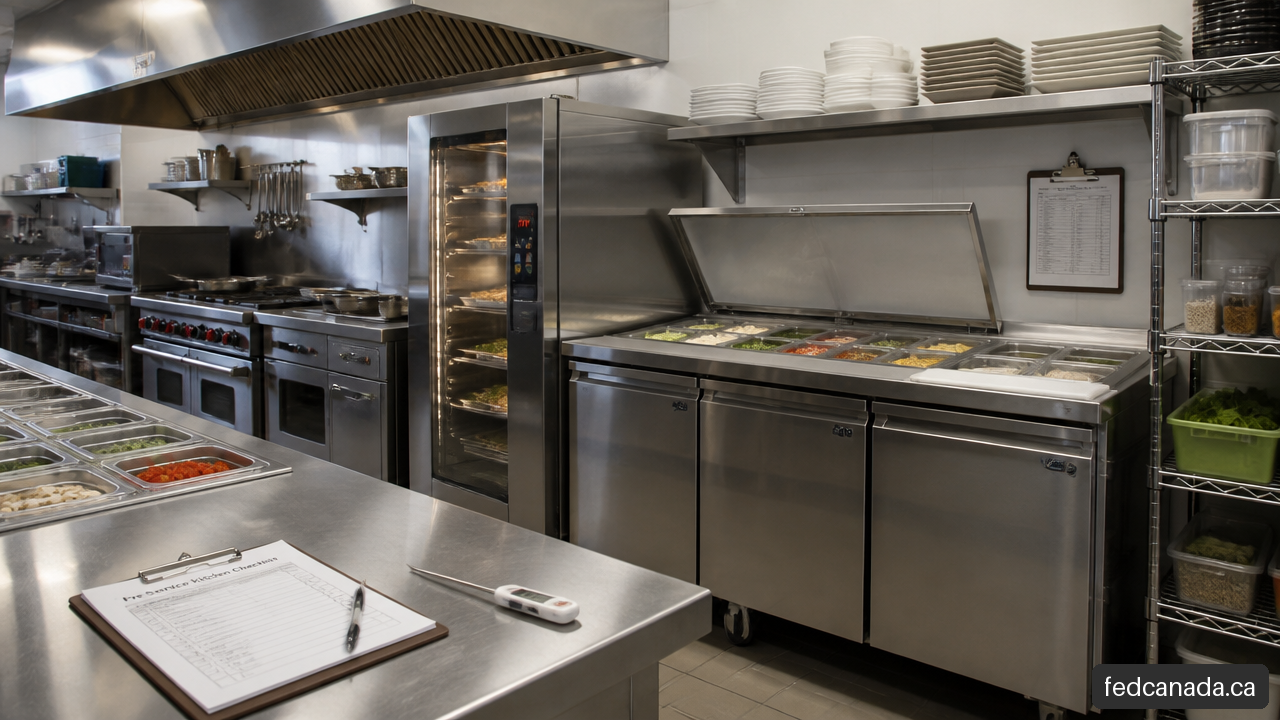
Holiday Restaurant Equipment Prep is not just a cleaning project before busy service begins. It is a focused readiness process that tests whether refrigeration, cooking, holding, warewashing, ventilation, and smallwares can perform under sustained volume. A unit that works during a quiet Tuesday lunch may struggle when doors open constantly, pans rotate every few minutes, and dish racks arrive without a pause.
Table of Contents
- Key Takeaways
- Build a Holiday Equipment Readiness Plan
- Test Equipment Under Real Service Conditions
- Stage Capacity, Parts, and People Before Service
- Holiday Restaurant Equipment Prep FAQ
Key Takeaways
- Start planning seasonal equipment needs 10 to 12 weeks before anticipated high demand when special supplies, service appointments, or replacement equipment may be harder to obtain.
- Use both a calendar schedule and condition based checks. A weekly inspection can catch visible wear, while monthly verification identifies gradual temperature drift, airflow problems, and declining pump performance.
- Test equipment at realistic load, not while empty. Refrigerators, ovens, fryers, holding cabinets, ice machines, and dish machines may behave differently under repeated use.
- Rank spare parts by downtime risk. Door gaskets, filters, thermometers, fryer filtration supplies, dish machine chemicals, and backup warming equipment usually deserve attention before lower impact accessories.
- Cross train staff on normal use, safe shutdown, backup equipment deployment, and who to call when a unit fails. A clear response can protect food safety and keep service moving.
The practical goal is simple: identify a weak point while there is still time to repair, replace, reroute, or reduce the load it must carry.
Build a Holiday Equipment Readiness Plan
Holiday readiness works best when it is treated as an operations plan rather than a single maintenance day. Start by listing every asset that can stop service, compromise food safety, or create a severe bottleneck. Then assign an owner, inspection date, backup plan, and escalation path for each one.
Prioritize equipment by service impact
Not every piece of equipment carries the same operational risk. A broken ladle is inconvenient. A walk in cooler that cannot recover temperature after deliveries can affect prep, storage, and food safety at once. Use this decision framework to set priorities:
| Equipment group | Holiday failure consequence | What to verify first | Practical backup decision |
|---|---|---|---|
| Refrigeration and freezers | Product loss, unsafe food temperatures, prep disruption | Door seals, airflow, condenser condition, drains, thermometers | Identify alternate cold storage or reduce on hand prep volume |
| Ovens, ranges, fryers | Menu items cannot be produced on time | Ignition, burners, thermostats, oil quality, recovery | Preplan menu substitutions or alternate cooking sequence |
| Hot holding equipment | Food quality and holding safety risk | Temperature stability, doors, controls, pan capacity | Stage hot boxes, induction units, or extra warmers |
| Dish machines | Clean plate shortage and sanitation bottleneck | Chemical supply, spray arms, pumps, drainage, final rinse performance | Add racks, bus tubs, manual wash capacity, and staff coverage |
| Ice and beverage systems | Beverage service delays and cold display limitations | Production, bin cleanliness, water flow, filters | Bagged ice or temporary beverage procedure |
This approach prevents a common mistake: spending equal time on every unit. If time is limited, start with assets that affect food temperature, core menu production, dish turnaround, and service capacity.
Set a maintenance cadence that matches actual use
A maintenance calendar is useful, but holiday volume changes wear patterns. More door openings can expose gasket failures. Higher fryer output can accelerate oil degradation. Repeated dish cycles can reveal a marginal pump or drain problem that did not appear during slower weeks. A combined schedule is more reliable. Oxmaint’s F&B maintenance guidance recommends combining calendar based maintenance with condition based inspections, including weekly operational reviews and more detailed monthly checks. A practical pre rush cadence can look like this:
- Ten to twelve weeks out: forecast menu volume, catering commitments, storage requirements, and equipment gaps. Request service appointments and order long lead items.
- Four to six weeks out: complete deep inspection and maintenance for major assets. Repair known defects instead of assuming they can wait until January.
- Two weeks out: run load tests, confirm backup equipment works, count smallwares, and verify delivery dates for chemicals, filters, fuel, and disposables.
- Weekly during peak season: inspect seals, wiring, hoses, drains, fans, grease buildup, and visible damage. Parts Town’s holiday maintenance guidance calls for weekly checks for wear, sanitation concerns, and hazards, which is particularly useful when equipment use intensifies.
- After the rush: document what ran hot, slowed down, leaked, drifted, or required workarounds. This is the right time for deeper repairs that could not safely occur during peak service.
Focus on cold chain failure before it becomes visible
Refrigeration problems often develop gradually. A door gasket can flatten, tear, or lose contact at the corners. That lets warm, humid air enter the cabinet each time the door opens. The refrigeration system then runs longer to recover, frost may build, airflow can become uneven, and product temperatures may rise in the warmest areas.
Condenser coils create another quiet risk. Dust and grease reduce their ability to release heat. During peak season, the compressor may run longer because staff open doors more often, pans go in and out rapidly, and nearby cooking equipment raises ambient heat. If the unit seems louder than normal, cycles constantly, or has uneven product temperatures, do not treat that as a minor annoyance.
Check refrigeration with a log rather than a glance. Record unit temperatures at opening, before peak service, during peak use, and at close. Compare those readings with the unit’s intended operating range and your food safety procedures. A display that says it is cold is useful, but a separate verified thermometer in the food storage area can reveal whether the cabinet is actually maintaining conditions where product sits.
Test Equipment Under Real Service Conditions
An empty oven, warmer, or dish machine is not a meaningful holiday test. The useful question is whether it can recover and remain stable when your team uses it the way it will be used on the busiest shift.
Run a controlled holiday stress test
Schedule the test during a slower service window, with enough time to stop if a problem appears. Build the test around expected demand, not a theoretical maximum. For example, simulate a banquet pickup by loading the holding cabinet with the pans and containers it will actually hold, then opening it at the pace required for plating. Use this sequence:
- Select one realistic service scenario, such as a holiday lunch, catered pickup, or dinner rush.
- Load equipment with representative pans, cookware, racks, and product weights. Do not overload beyond manufacturer instructions.
- Operate the equipment for a sustained period while staff follow the planned service pattern.
- Log temperatures, recovery time, error messages, unusual sounds, water leaks, steam issues, and congestion points.
- Identify pass or fail criteria before the test starts. A pass means the unit maintains the required operating condition, staff can access it safely, and the process does not create a new bottleneck.
- Correct deficiencies, then retest the affected station.
There is no universal holiday load test threshold for every equipment type. Capacity depends on model, ventilation, menu, local food safety requirements, and workflow. For instance, a compact holding cabinet may maintain temperature correctly but still fail operationally if staff must stack pans too tightly to meet holiday demand. That is not a thermostat problem. It is a capacity planning problem.
Verify temperature control and calibration
Temperature accuracy matters most where food is cooked, held, chilled, or sanitized. Thermostat calibration is the process of comparing equipment readings with a known accurate reference and adjusting or servicing controls when readings do not match.
For hot holding, confirm that the cabinet can reach and maintain the temperature required by your food safety program with product inside. For cooking equipment, verify that set temperatures align with an independent thermometer or approved test method. For cold equipment, check multiple areas, especially near doors and high traffic zones, because air circulation is rarely uniform.
Hess recommends inspecting hot holding equipment, testing temperature accuracy, calibrating cooking equipment, and servicing specialty filtration systems before holiday volume rises. That advice is especially relevant for equipment that may be left operating for longer periods than usual.
Fair warning: a temperature problem is not always a failed thermostat. Blocked vents, overfilled shelves, damaged gaskets, dirty coils, weak evaporator fans, poor ventilation, or staff leaving doors open can all produce unstable results. Diagnose the operating conditions before ordering a control component.
Test warewashing as a throughput system
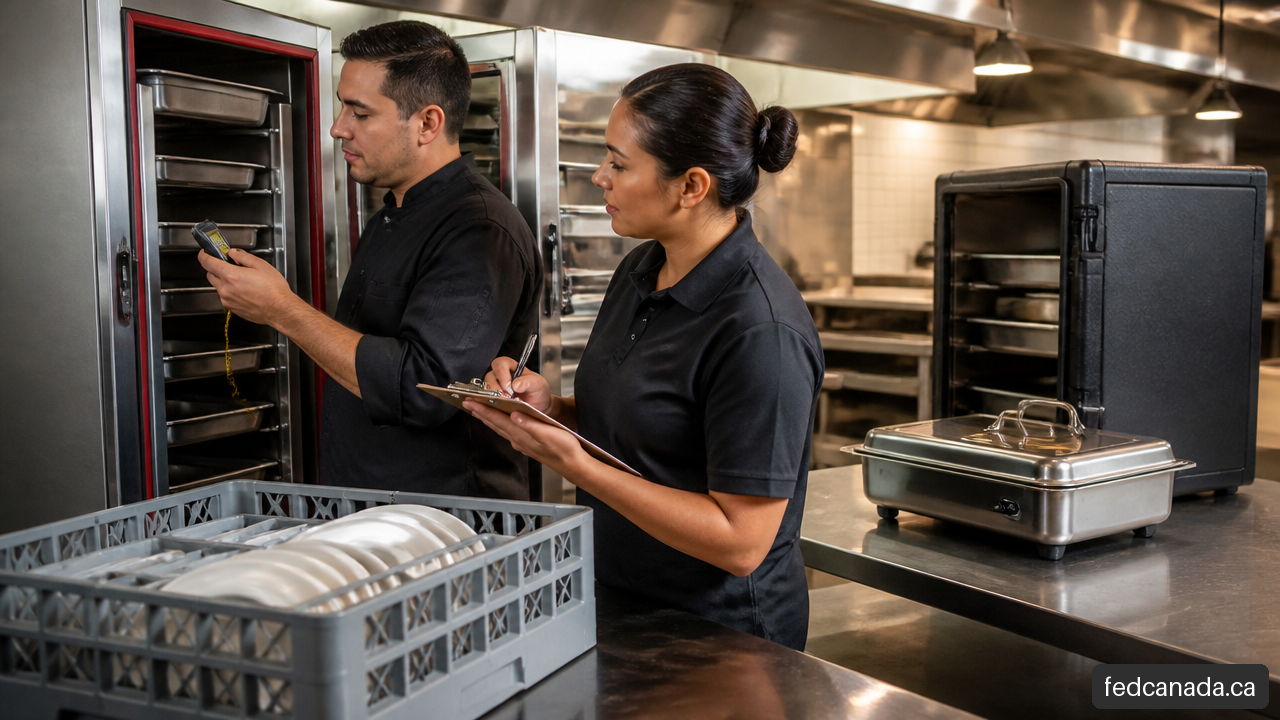
Dish machines are often evaluated only for whether they turn on and wash dishes. Holiday service requires a broader test: can the full system keep up? Check the machine, but also check the path around it:
- Confirm spray arms move freely and are not blocked.
- Verify detergent, rinse aid, sanitizer, and test supplies are available.
- Check filters, scrap trays, drainage, and water flow.
- Count usable racks, bus tubs, drying space, and clean plate inventory.
- Observe whether dirty dishes cross paths with clean dishes or food prep traffic.
A dish machine may technically work yet still create a service failure if racks pile up faster than staff can load and unload them. The remedy could be an extra rack, a clearer bussing lane, pre soaking procedures, or one cross trained employee assigned to the station during the highest volume period.
Stage Capacity, Parts, and People Before Service
The strongest holiday equipment plan assumes something will need attention. The aim is not to predict every failure. It is to make each likely failure less disruptive.
Rank spare parts and backup equipment by downtime risk
Stocking every possible part is rarely practical. Prioritize items that are inexpensive, commonly worn, or likely to stop a critical unit from functioning safely.
| Priority | Items to stage | Why they matter | When to escalate instead of stocking |
|---|---|---|---|
| High | Door gaskets, water filters, fryer filtration supplies, thermometers, dish chemicals, fuses where appropriate | These items can affect temperature control, sanitation, or daily operation quickly | If replacement requires electrical, gas, refrigeration, or plumbing work |
| Medium | Spray nozzles, rack rollers, pan carriers, extra cambros, heat safe gloves, food pans | They protect throughput and reduce workarounds during peak service | If storage space is limited and the item has little service impact |
| Situational | Portable warmers, induction units, hot boxes, rolling racks, extra ice storage | Useful for catering, banquets, overflow, or temporary station changes | If power supply, ventilation, or staffing cannot support deployment |
Backup warming equipment deserves specific planning. Do not store a hot box or induction burner in a corner and assume it is ready. Confirm electrical requirements, outlet location, pan compatibility, cleaning status, and who will operate it. A portable unit without a safe place to plug it in is not a backup plan.
Design overflow capacity around the bottleneck
Holiday volume does not always require more cooking capacity. Sometimes the constraint is holding space, plating area, dish return, or cold storage. Find the point where work waits.
Consider a restaurant preparing large holiday takeout orders. The ovens may produce food on time, but the pickup counter becomes crowded and hot food has nowhere to wait safely. Adding another oven would not solve the immediate problem. A better response may be assigning a staged holding area, using insulated carriers, separating pickup labels by time slot, and placing an additional warmer where staff can access it without crossing the main line.
For banquet or catering service, calculate capacity in practical units: pans, racks, meal portions, dish racks, or trays. A holding cabinet that fits 10 pans does not provide 10 pans of usable capacity if two pans need frequent access and the rest block the door. Build in working space, not just physical space.
Train for normal operation and controlled failure
Holiday shifts often include seasonal staff, altered menus, temporary stations, or employees asked to cover unfamiliar equipment. Training should cover more than startup instructions. Use a short equipment briefing for each critical station:
- Normal operating steps and the expected temperature or performance range.
- Signs that require action, such as unusual noise, repeated error codes, temperature drift, leaks, smoke, damaged cords, or poor airflow.
- Safe immediate response, including when to stop using equipment and protect food.
- Backup procedure, such as moving food to alternate holding, switching to another fryer, or using a portable warmer.
- Escalation contacts for managers, maintenance providers, and emergency repair coverage.
Do not ask staff to improvise around gas, electrical, refrigeration, or plumbing failures. If a unit presents a safety concern, isolate it according to site procedures and call a qualified service professional. For food that may have been held outside approved conditions, follow your food safety plan and local requirements rather than relying on appearance or smell.
Holiday Restaurant Equipment Prep FAQ
What should be on a restaurant holiday equipment prep checklist?
Include refrigeration, freezers, ovens, fryers, hot holding cabinets, dish machines, ice machines, ventilation, water filtration, thermometers, smallwares, chemicals, power access, and backup equipment. Assign each item an owner, due date, condition, corrective action, and backup plan. The checklist is most useful when it records decisions instead of simply marking items as inspected.
How far in advance should restaurant equipment be serviced before the holidays?
Start forecasting equipment and supply needs 10 to 12 weeks before high demand if you may need special ordering or service availability. Complete major repairs four to six weeks ahead where possible, then use the final two weeks for stress testing, staff training, and correction of smaller issues. Urgent repairs should not wait if the equipment affects food safety or core production.
What should be checked on refrigerators and walk ins before peak season?
Inspect door gaskets, hinges, latches, condenser coils, evaporator fans, drains, shelving airflow, defrost performance, thermometers, and unusual compressor noise. Log temperatures during normal and high traffic periods. If temperatures rise after frequent door openings or product feels unevenly chilled, investigate airflow and seal condition before assuming the display is accurate.
How do you test ovens, fryers, and hot holding cabinets before a rush?
Test them with realistic loads and representative service patterns. Verify ignition, heating response, thermostat accuracy, recovery after doors open, oil quality and filtration for fryers, and stable holding conditions for cabinets. Record the result. If an oven reaches its setpoint empty but drops too far under a normal batch load, the issue needs attention before the rush.
Which spare parts should restaurants stock for holiday service?
Prioritize parts and supplies that protect temperature control, sanitation, and immediate throughput: gaskets, water filters, fryer filtration supplies, thermometers, dish chemicals, racks, pans, and selected fuses or accessories approved for your equipment. Avoid stocking technical components that require qualified installation unless your service provider has specifically advised it.
What backup equipment should be ready for overflow catering or banquet service?
The right backup depends on the bottleneck. Common options include hot boxes, insulated pan carriers, induction burners, countertop warmers, rolling racks, extra bus tubs, additional dish racks, and ice storage. Test every backup unit before the event, including power access, capacity, safe placement, and cleaning requirements.
What should staff do if equipment breaks during holiday service?
Protect people first, then food. Stop using equipment if there is smoke, electrical damage, a gas concern, major leak, or unsafe temperature condition. Move food only when it can be kept within your food safety procedures, activate the backup plan, notify the manager, and contact the appropriate repair provider. Avoid makeshift repairs that create a larger safety or equipment failure.
Recent Posts


Leave a Comment
Your email address will not be published. Required fields are marked *