
🔥Commercial Cooking Equipment - Heating It Up
Foodservice Equipment Depot (FED) supplies new commercial cooking equipment to restaurants, hotels, institutions, food trucks, bakeries and food producers across Canada — ovens, ranges, fryers, griddles, broilers, pizza ovens, countertop equipment, warmers and specialty cooking equipment.
Whatever you're buying, four things determine whether it works in your kitchen, and all four are settled before the equipment arrives:
Ventilation. What kind of hood the equipment needs, whether your existing hood covers it, and whether fire suppression needs reconfiguring.
Gas capacity. Whether your gas line can actually deliver what a new appliance draws on top of everything already connected.
Electrical service. Voltage, phase and available amperage — the single most common reason an order goes wrong.
Altitude. If you're above roughly 600 m, gas appliances may need specific configuration. Calgary sits at about 1,045 m.
Get these right and the equipment choice is the easy part. Get one wrong and you have a unit that fails inspection, underperforms, or can't be connected at all.
We've set out all four below, along with a guide to which category you need. Browse by equipment type, or call 403.923.2270 and tell us what you're building.
Shop online today at Foodservice Equipment Depot — Canada’s one-stop source for commercial kitchen equipment and restaurant supplies.
Read More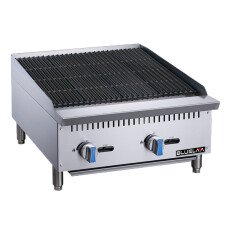
Commercial Broilers Shop premium commercial broilers in Canada from Foodservice Equipment Depot (FED) and upgrade your kitchen with powerful, space-saving countertop broilers designed for professional foodservice operati...
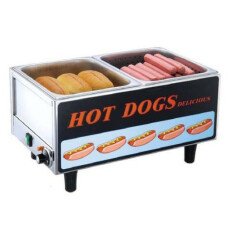
Commercial Concession Equipment in Canada | Food Truck & Event Equipment Shop commercial concession equipment in Canada from Foodservice Equipment Depot (FED), your trusted supplier for food trucks, pop-up restaurant...
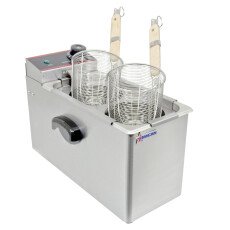
Commercial Countertop Cooking Equipment in Canada | Compact Restaurant Appliances Shop commercial countertop cooking equipment in Canada from Foodservice Equipment Depot (FED) and upgrade your kitchen with compact, high-...
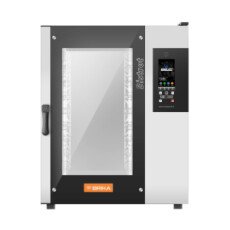
Commercial Electric Ovens | High-Performance Restaurant Ovens (Canada) Commercial electric ovens from Foodservice Equipment Depot (FED) deliver consistent, energy-efficient baking, roasting, and cooking for restaurants,...
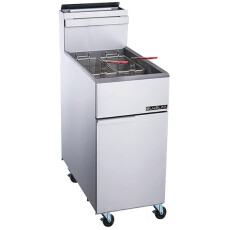
Commercial Deep Fryers in Canada | Restaurant Fryers for High-Volume Cooking Shop commercial deep fryers in Canada from Foodservice Equipment Depot (FED) for high-performance frying in restaurants, fast food kitchens, fo...
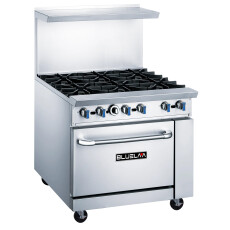
🔥 Commercial Gas Ovens | NG & LP Ovens for Restaurants & Bakeries (Canada) A commercial gas oven is a heavy-duty appliance designed for high-volume baking, roasting, and broiling in restaurants, bakeries, hotels...
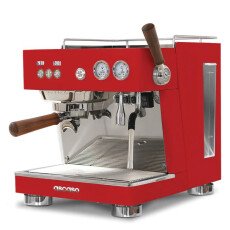
Commercial Hot Beverage Machines | Coffee, Tea & Hot Drink Equipment Commercial hot beverage machines from Foodservice Equipment Depot (FED) deliver fast, consistent, high-quality drinks for cafés, restaurants, hotel...
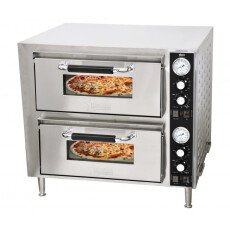
Commercial Pizza Ovens | High-Performance Pizza Equipment (Canada) Commercial pizza ovens from Foodservice Equipment Depot (FED) deliver fast, consistent, high-quality pizza cooking for pizzerias, restaurants, hotels, an...
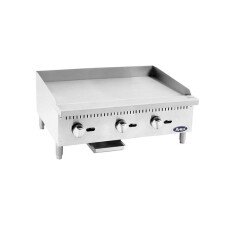
Commercial Countertop Griddles | High-Performance Flat Top Cooking Equipment Shop commercial countertop griddles in Canada from Foodservice Equipment Depot (FED) for fast, consistent, high-volume cooking in restaurants,...
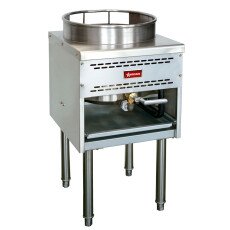
Commercial Specialty Kitchen Equipment | Restaurant & Bakery Equipment (Canada) Commercial specialty equipment from Foodservice Equipment Depot (FED) delivers precision, consistency, and professional performance for...
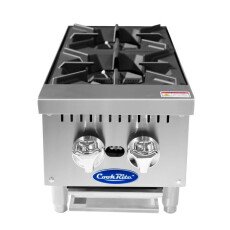
Commercial Hot Plates | Countertop Electric & Gas Burners Commercial countertop hot plates deliver compact, high-performance cooking power for restaurants, food trucks, cafés, and catering kitchens. Designed for tigh...
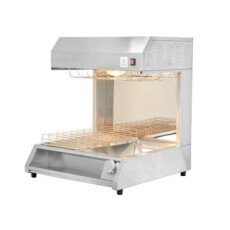
Commercial Food Warmers | Restaurant & Buffet Holding Equipment (Canada) Commercial food warmers from Foodservice Equipment Depot (FED) keep dishes at safe, consistent serving temperatures without losing quality. Des...
Ovens
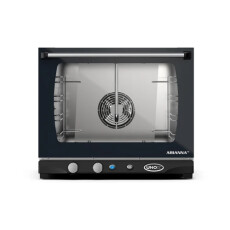
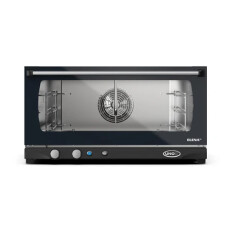
Electric ovens — convection, combi, bakery, high-speed and range ovens, where temperature precision matters or gas isn't available.
Gas ovens — convection, bakery, range and combi ovens, for recovery speed and lower running cost where gas is supplied.
Pizza ovens — deck, conveyor and wood-fired, in gas, electric and solid fuel.
Fryers
Deep fryers — gas and electric, floor and countertop, tube and open pot, including ventless models and fryers with built-in oil filtration.
Flat cooking surfaces
Griddles — gas and electric flat tops in steel and chrome, with manual or thermostatic control.
Broilers — salamanders, cheesemelters, upright steakhouse and infrared broilers for finishing, browning and searing.
Countertop and compact
Countertops — panini grills, pasta cookers, rice cookers, toasters, waffle makers and induction, for kitchens working within space or ventilation limits.
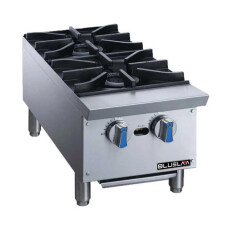
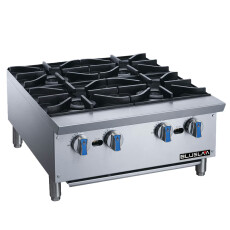
Hot plates — gas, electric and induction countertop burners and stock pot stoves.
Holding and specialty
Warmers — steam tables, holding cabinets, drawer and overhead warmers, and display merchandisers.
Specialty — tandoors, wok ranges, smokers, rotisseries, BBQ, pita ovens and sous vide.
Concession — popcorn, hot dog, cotton candy, nacho and fair food equipment.
Not sure which you need? Call 403.923.2270 and describe your menu and your space.
Ventilation is the constraint that most often shapes what equipment you can actually install, and it's worth understanding before you shortlist anything.
Type I hoods are required for equipment producing grease-laden vapour or smoke — fryers, griddles, charbroilers, ranges, most ovens and broilers. These include grease filters, fire suppression and specific duct and cleaning requirements.
Type II hoods handle heat and condensate without grease — steam equipment, some ovens, dishwashers. Lighter requirements.
No hood is sometimes acceptable for equipment producing neither grease nor significant steam — toasters, some countertop equipment, induction in low-grease applications. This depends on your menu, your volume and your local authority.
Ventless equipment has integrated catalytic filtration and specific certification allowing operation without an external hood. Ventless fryers, combi ovens and high-speed ovens exist and are frequently the only route to cooking capability in a mall kiosk, a food truck, a heritage building or any space where a hood is impractical. They cost more and need scheduled filter replacement, and a small appliance is not a ventless appliance — ventless operation requires explicit certification.
Requirements follow NFPA 96 as adopted provincially, along with municipal requirements, and your local authority having jurisdiction makes the final determination.
The two things people get wrong:
Adding equipment under an existing hood. A hood is sized and positioned for the equipment it was designed around. Adding or moving a fryer or broiler frequently means the hood no longer provides adequate capture and the fire suppression nozzles are no longer correctly positioned. Your suppression contractor must reassess — this is a code requirement and an insurance condition.
Make-up air. Exhausting air requires replacing it. Inadequate make-up air causes negative pressure, which affects appliance combustion, makes doors hard to open and reduces hood performance.
Your gas line has a limit. Every appliance on it draws from the same supply. Add a high-BTU oven, fryer or wok range to a line already serving a range and a broiler, and you can exceed what the line and regulator deliver — at which point everything on that line underperforms. It presents as several appliances failing at once, which sends people chasing the wrong problem.
Before ordering: total the BTU ratings of everything on the line plus the new appliance, and have a licensed gas fitter confirm line size, regulator capacity and supply pressure can carry it. Fifteen minutes of work, and it determines whether you need a larger line, a separate run, or a lower-BTU appliance.
This matters most when adding rather than replacing. Swapping like for like rarely changes anything.
Natural gas and propane are not interchangeable without a conversion kit fitted by a licensed gas fitter. They operate at different pressures with different orifices. Most Canadian urban kitchens run natural gas; rural, remote and mobile operations are more often propane. Specify at order rather than converting later.
Installation is regulated work. Connecting commercial gas appliances anywhere in Canada requires a licensed gas fitter working to CSA B149.1, the Natural Gas and Propane Installation Code. Self-installation isn't permitted, will fail inspection, and can void both warranty and insurance.
This is the most common reason a cooking equipment order goes wrong, and it's checkable in one visit from an electrician.
What to find out: available voltage, whether you have single or three phase, and how much spare amperage the panel has.
Why it matters: commercial electric cooking equipment frequently requires 208V or 240V, and larger ovens, fryers and induction equipment are often three-phase. Machines are built to a specific electrical configuration at manufacture and generally can't be converted in the field — ordering the wrong configuration means a return and a delay.
The trap in going electric to avoid gas work. Electric looks simpler because there's no gas fitter and no gas permit. But if the appliance needs three-phase service you don't have, the upgrade — new panel, new feed, utility coordination — can cost considerably more than the gas connection would have, and take weeks longer. Compare actual quotes for your building rather than assuming.
Connection is regulated work. Hardwired commercial equipment must be connected by a licensed electrician to the Canadian Electrical Code and applicable provincial amendments.
Gas appliances behave differently at elevation, and a surprising number of Canadian kitchens sit high enough for it to matter.
Why. Thinner air means less oxygen for combustion. A burner orificed for sea level runs rich at altitude, reducing efficiency and affecting output.
Where it applies. Manufacturers typically specify high-altitude configuration above roughly 600 m, though thresholds vary. Calgary sits at about 1,045 m. Canmore, Banff, Cranbrook, Kamloops and much of the BC interior and Alberta foothills are at or above that. Edmonton, around 645 m, sits near the threshold.
What it means. Some manufacturers supply high-altitude orifice kits, some derate published BTU ratings at elevation, some require factory configuration at order. Tell us your location when ordering and we'll confirm what a specific model requires. Your gas fitter should verify combustion at commissioning regardless.
Start with the menu, not the equipment. What you cook, in what volume, at what peak, determines everything. A kitchen doing forty covers needs different equipment from one doing three hundred, even with the same menu.
Size to peak, not average. Every piece of cooking equipment should handle your busiest hour. Undersized equipment becomes the bottleneck for the whole line at exactly the wrong moment.
Plan the line as a sequence. Equipment heights should match across the run so product moves along rather than being lifted. Cold storage should sit where the cook needs it — see our chef base and undercounter refrigeration categories.
Confirm clearance to combustibles for every appliance. Manufacturers specify minimum distances from combustible surfaces at sides, rear and above, and these constrain where equipment can physically go.
Budget the whole project. Equipment is one line. Installation, gas fitting, electrical, hood and suppression work, permits and any structural work are others.
Allow for lead times and permits. Specialty and larger equipment is often factory-order. Permits and inspections run in parallel and take time. Start early if you're working to an opening date.
Confirm CSA or cUL and NSF certification on everything. Canadian inspectors expect equipment certified for use in Canada, and US-only listings can create problems at inspection and with insurers.
All new equipment from FED is supplied with full manufacturer warranty coverage. Terms vary by manufacturer and model and are listed on each product page.
Worth noting: improper installation is among the most common reasons cooking equipment warranty claims are declined. Using licensed trades protects the warranty as well as satisfying code.
We ship from our Calgary warehouse to business addresses across Canada — Alberta, British Columbia, Saskatchewan, Manitoba, Ontario, Quebec and Atlantic Canada. Standard curbside delivery places equipment at ground level at the front or rear entrance of your address, typically within 2–7 business days depending on postal code. Remote and northern locations may require additional transit time and freight cost.
Optional white-glove delivery brings equipment inside your business and can include removal and disposal of what you're replacing — worth considering for heavy floor equipment.
Local customers are welcome to pick up in person:
Foodservice Equipment Depot (FED)
6613 – 44 Street SE, Bay #5
Calgary, Alberta T2C 2C9
403.923.2270
Looking for a lower price point? Our clearance section carries used commercial cooking equipment, tested and sold with warranty coverage.
What kind of hood does my cooking equipment need?
Type I grease hoods are required for equipment producing grease-laden vapour or smoke, including fryers, griddles, charbroilers, ranges and most ovens and broilers. Type II hoods handle heat and condensate without grease, suiting steam equipment and some ovens. Some equipment producing neither grease nor significant steam may not require a hood. Requirements follow NFPA 96 as adopted provincially along with municipal requirements, and the local authority having jurisdiction makes the final determination.
Can I add equipment under my existing hood?
Not without reassessment. A hood is sized and positioned for the equipment it was designed around, and adding or moving equipment frequently means capture is no longer adequate and fire suppression nozzles are no longer correctly positioned. A suppression contractor must reassess and typically reconfigure the system, which is both a code requirement and an insurance condition.
What is ventless cooking equipment?
Ventless equipment includes integrated catalytic filtration and specific certification allowing operation without an external hood. Ventless fryers, combi ovens and high-speed ovens are available and are frequently the only route to cooking capability where a hood is impractical, such as mall kiosks, food trucks and heritage buildings. They cost more and require scheduled filter replacement, and a small appliance is not automatically a ventless one, since ventless operation requires explicit certification.
Will a new appliance overload my gas line?
It can. Every appliance on a gas line draws from the same supply, and adding a high-BTU unit to a line already serving other equipment can exceed line and regulator capacity, causing everything on that line to underperform. The BTU ratings of existing appliances plus the new unit should be totalled and a licensed gas fitter should confirm that line size, regulator capacity and supply pressure can carry the load before ordering.
Can a natural gas appliance run on propane?
Not without a conversion kit. Natural gas and propane operate at different pressures and require different orifices, and conversion must be performed by a licensed gas fitter. Specifying the correct gas type at time of order avoids the additional cost and delay.
Is electric cooking equipment easier to install than gas?
Not necessarily. Gas requires a licensed gas fitter, a permit and CSA B149.1 compliant installation. Electric requires a licensed electrician, and where an appliance needs 208 or 240 volt three-phase service that is not already present, a service upgrade involving a new panel, new feed and utility coordination can cost considerably more than the gas work and take weeks longer. Actual quotes for the specific building should be compared rather than assumptions made.
Do gas appliances work differently at high altitude?
Yes. Thinner air at elevation provides less oxygen for combustion, so a burner orificed for sea level runs rich at altitude, reducing efficiency and affecting output. Manufacturers typically specify high-altitude configuration above roughly 600 metres, though thresholds vary. Calgary sits at approximately 1,045 metres, with much of the Alberta foothills and British Columbia interior at or above that threshold. High-altitude orifice kits, derating or factory configuration may be required.
Can I install commercial cooking equipment myself in Canada?
No. Connecting commercial gas appliances requires a licensed gas fitter working in compliance with CSA B149.1, the Natural Gas and Propane Installation Code, and hardwired electrical connection requires a licensed electrician working to the Canadian Electrical Code. Self-installation will fail inspection and can void both manufacturer warranty and insurance coverage.
How do I size cooking equipment for my kitchen?
Size to peak service rather than daily average, since every piece of cooking equipment needs to handle the busiest hour without becoming the bottleneck for the whole line. Menu, volume and peak period determine requirements, and equipment heights should be matched across the line so product moves along the run rather than being lifted between stations.
What certification should commercial cooking equipment have?
CSA or cUL marks for electrical and gas safety and NSF certification for sanitation. Canadian inspectors expect equipment certified for use in Canada, and US-only listings can create problems at inspection and with insurers.
Does new equipment from FED come with a warranty?
Yes. All new equipment is supplied with full manufacturer warranty coverage. Terms vary by manufacturer and model and are listed on each product page.
Do you ship cooking equipment across Canada?
Yes. We ship from Calgary to business addresses across Canada, including Alberta, British Columbia, Saskatchewan, Manitoba, Ontario, Quebec and Atlantic Canada. Curbside delivery is standard; white-glove delivery is available for heavier equipment. Local pickup is available at 6613 – 44 Street SE, Bay #5, Calgary, Alberta T2C 2C9. Call 403.923.2270.
Can you help me plan a cook line?
Yes. Call 403.923.2270 with your menu, expected volume at peak, available gas and electrical service, ventilation setup and location, and we'll help you work through the equipment and what the installation involves.
Read More



