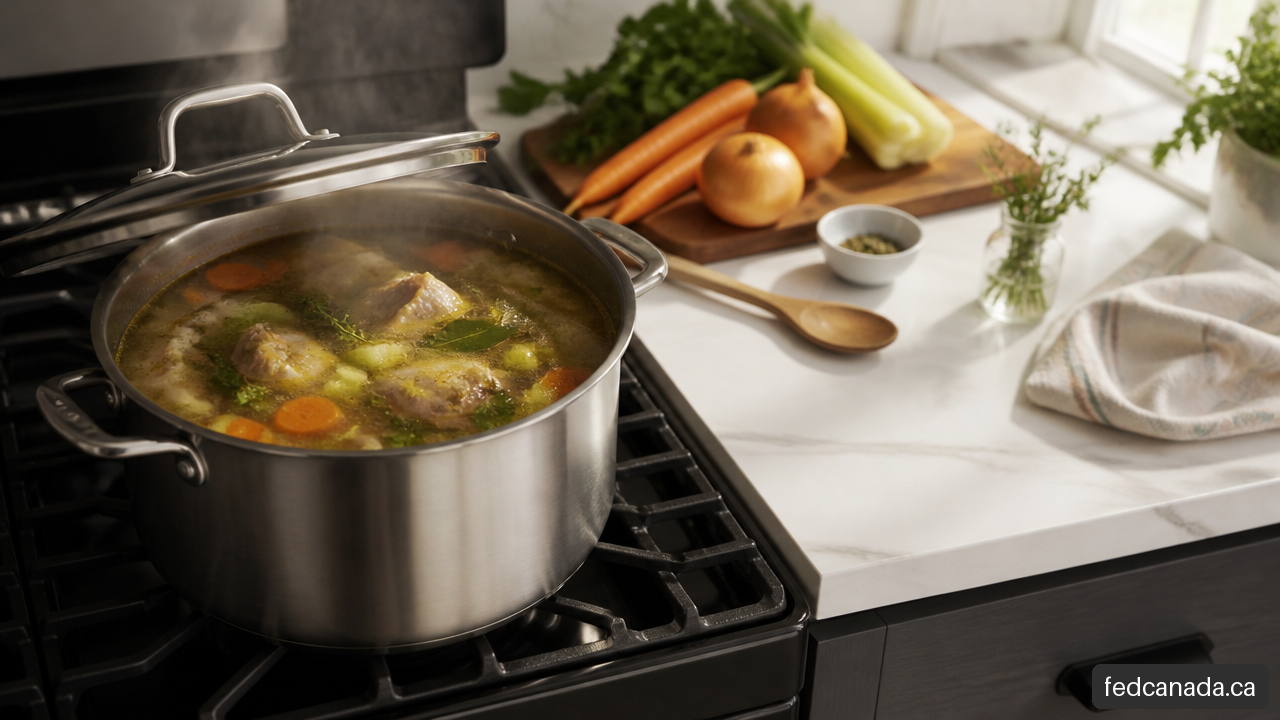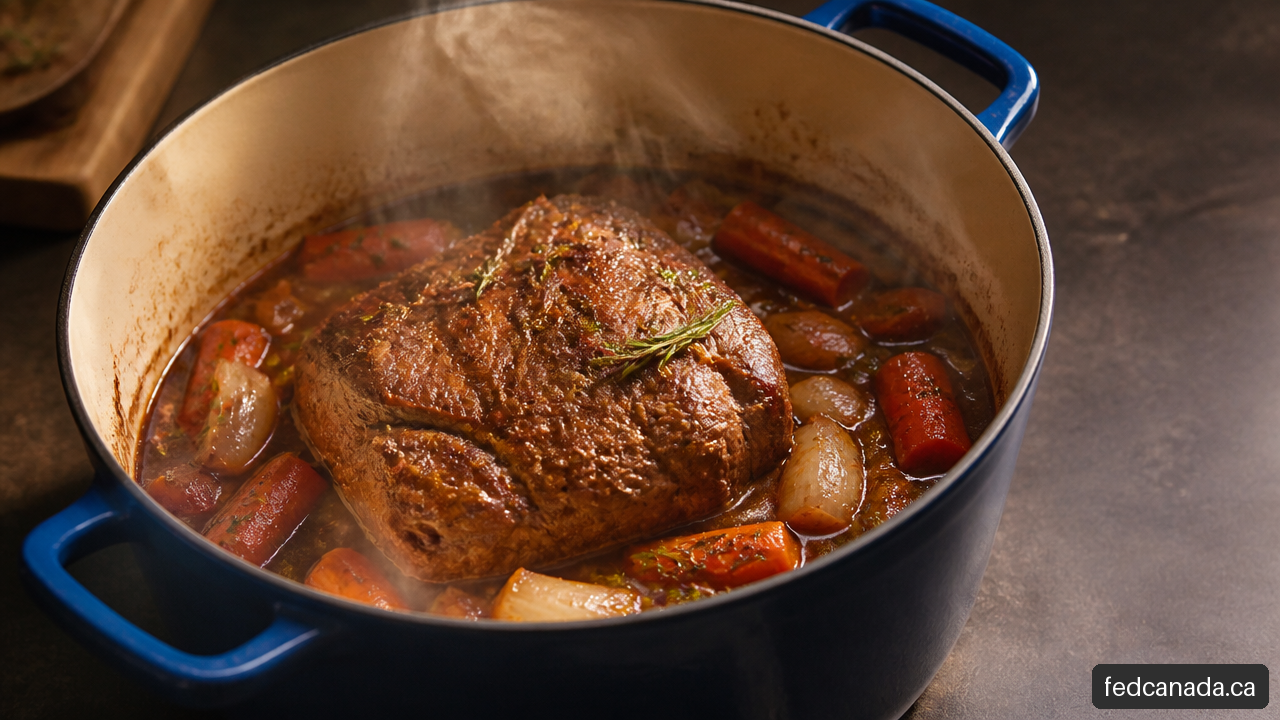
What is combination cooking method? It is a way of cooking that uses more than one type of heat in the same dish, most often starting with dry heat for browning and finishing with moist heat for gentle cooking. Think of a chuck roast: first it develops a dark crust in a hot pan, then it slowly cooks in a covered pot with stock until tender.
This approach is especially useful when a food needs two different things: surface flavor from browning and time in moisture to become tender. We see it in braises, stews, pot roasts, and many dishes built around tougher meats, beans, root vegetables, and flavorful cooking liquids.
The Core Idea Behind Combination Cooking
Dry heat starts the flavor-building process
Classic combination cooking usually begins with dry heat. This can mean searing in a pan with a small amount of fat, roasting in an oven, broiling, or sautéing. The goal is not to cook the food all the way through. It is to brown the exterior and create a foundation of flavor.
When food reaches sufficient heat and its surface is relatively dry, browning reactions create deeper savory aromas and a richer color. A pale beef stew can still become tender, but it will usually lack the roasted flavor associated with a properly browned stew or braise.
The Escoffier overview of combination methods describes the familiar sequence: high heat develops flavor first, followed by a gentler liquid-based cooking stage.
Moist heat finishes the cooking gently
After browning, the food cooks with moisture. That moisture may come from stock, wine, tomatoes, sauce, steam, rendered juices, or a combination of ingredients. The pot is usually covered, either fully or partially, to hold heat and reduce evaporation.
The second phase should generally be gentle. A lively simmer is different from a hard boil. At a hard boil, meat can tighten, vegetables can break apart, and the cooking liquid can reduce faster than intended.
A gentle simmer gives connective tissue time to soften without aggressively battering the food.
Combination cooking is less about following two unrelated steps and more about assigning each heat style a job: dry heat builds browned flavor, while moist heat cooks steadily and softens firm textures.
Why it works for connective tissue
Tougher cuts of meat often contain more connective tissue. Examples may include beef chuck, brisket, short ribs, shank, pork shoulder, lamb shoulder, and chicken legs.
These cuts can seem chewy if cooked briefly with dry heat alone, but long, gentle cooking can turn them tender and succulent.
The transformation is not instant. The meat needs enough time for its texture to change. That is why combination cooking is a poor fit when dinner needs to be ready in 15 minutes.
It is a better fit when a cook wants fuller flavor and has time for slow, controlled cooking.
The Wekiva Culinary explanation of cooking methods notes that combination cooking can transform less tender ingredients into tender finished dishes.
The practical implication is straightforward: choose ingredients for their eventual texture, not just how tough they feel raw.
The category has flexible boundaries
Most culinary instruction uses the term combination cooking for dry heat followed by moist heat. The Illinois State Board of Education culinary arts guide defines it more broadly as using two or more cooking processes, usually dry heat and moist heat, while noting that other pairings are possible.
That broader definition explains why terminology can vary. Some curricula may discuss a recipe using roasting plus steaming as combination cooking. Others reserve the term mainly for braising, stewing, and pot roasting.
Techniques such as sous vide followed by a quick sear also combine cooking processes, but they are not always classified as classic combination cooking. Wet smoking can create a similar classification question.
When in doubt, focus on the recipe's actual heat pattern rather than the label: Is it intentionally using one method for browning or structure and another for moist, gentle finishing?
Common Combination Cooking Methods
Braising: large pieces with a modest amount of liquid
Braising usually involves one large piece of meat, poultry, fish, or vegetable, although several portions can be braised together.
The food is browned, then cooked covered with a relatively small amount of liquid. The liquid should not fully submerge the food.
A beef chuck roast braised with onions, carrots, stock, and herbs is a standard example. The roast may sit partly above the liquid line while steam and trapped moisture help cook the exposed portion.
During cooking, the cook can turn the meat once or twice if needed for even exposure.
LibreTexts' definition of braising describes searing food in hot fat and then simmering it in a covered vessel with a small amount of liquid.
Stewing: smaller pieces with more liquid coverage
Stewing follows the same broad logic but usually uses smaller, bite-sized pieces.
A beef