



Steamers Food Guide: Better Texture, Flavor, and Control
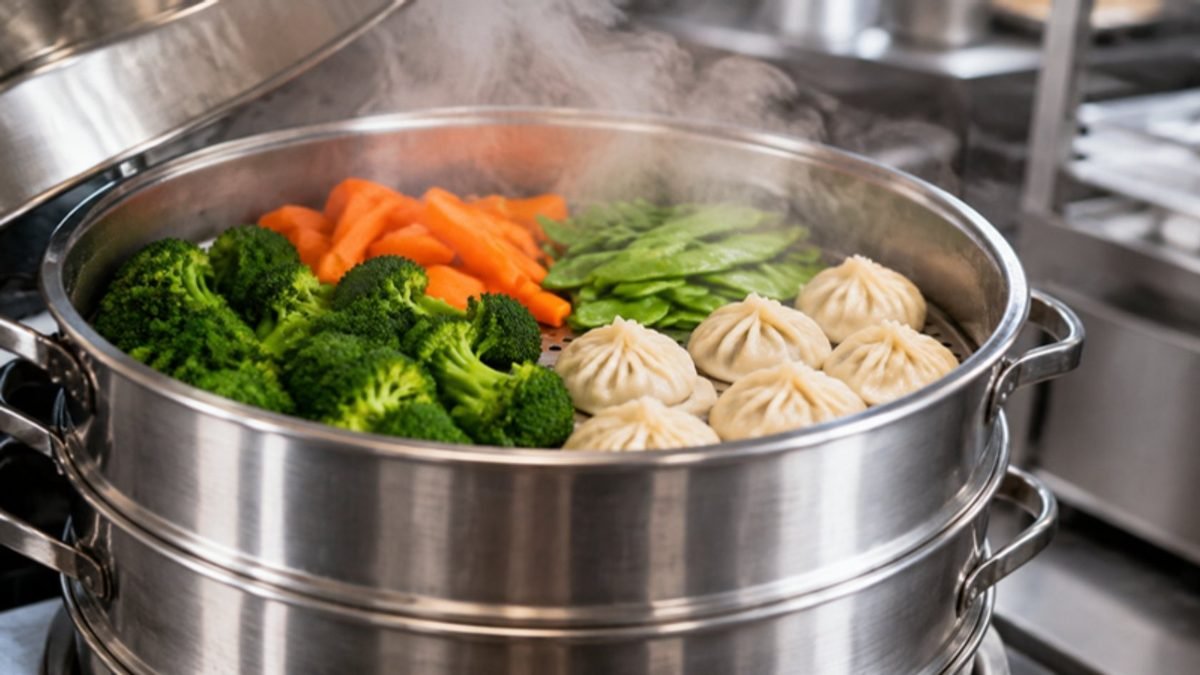
Steamers food equipment can do far more than soften broccoli. A well managed steaming setup produces bright vegetables, tender fish, fluffy buns, moist grains, and gently reheated leftovers without relying on added oil. The catch is that good steaming depends on steam access, controlled condensation, and choosing equipment that fits what you actually cook.
## Table of Contents
1. [How Steamers Food Equipment Works](#how-steamers-food-equipment-works)
2. [Choosing the Right Food Steamer](#choosing-the-right-food-steamer)
3. [How to Steam Food Without Soggy Results](#how-to-steam-food-without-soggy-results)
4. [Steamers in Commercial Foodservice](#steamers-in-commercial-foodservice)
5. [Key Takeaways](#key-takeaways)
6. [FAQ: Steamers Food Questions Answered](#faq-steamers-food-questions-answered)
## How Steamers Food Equipment Works
A food steamer cooks with hot water vapor circulating around food held above the water line. As steam hits the cooler surface of vegetables, seafood, dough, or a covered dish, it transfers heat quickly and condenses into a little moisture. This is why steamed food can stay supple rather than dry out. It is also why poorly managed steam can leave a puddle on delicate dumplings.
I recommend thinking of a steamer as a small, humid cooking chamber rather than simply a pot with holes. The chamber needs three things to work well:
• **Steady steam production:** Water must remain hot enough to create a consistent flow of vapor.
• **Clear steam access:** Food needs space around it so vapor can circulate rather than striking one crowded surface.
• **Condensation management:** Moisture that gathers on the lid should not continually drip onto food that needs a dry exterior.
Steaming is often appealing because it can cook food with little or no added fat. It may also help ingredients retain their natural color, moisture, and clean flavor compared with high heat methods that brown, char, or dry the exterior. That does not mean steaming is always the best method. A steak needs a browned crust, for example, and roasted vegetables offer a concentrated, caramelized flavor that steam cannot create. Steaming shines when tenderness, moisture retention, and a clean finish matter most.
### Household steaming versus culinary steam
For home cooking, clean potable water in a maintained pot, rice cooker, or electric steamer is generally the practical starting point. Commercial operations face a more technical issue when steam directly contacts food or food contact surfaces. The Canadian Food Inspection Agency explains that culinary steam requires controls that minimize contamination, including suitable water, prevention of chemical carryover, and appropriate boiler operation and distribution.
That distinction matters in a restaurant, commissary, or institutional kitchen. Steam generated by a controlled culinary steam system is not interchangeable with any steam produced by a building boiler. Boiler water treatment chemicals, foaming, and water carryover can create risks when steam touches food directly. For countertop and household steamers, follow the manufacturer’s cleaning instructions and avoid using a damaged reservoir or heavily scaled heating chamber.
### What foods benefit most from steam?
Some foods respond especially well because they are easily overcooked by dry heat or because they need a moist environment to stay tender.
| Food category | Why steaming works | Watch for |
|---|---|---|
| Vegetables | Keeps textures crisp tender and preserves fresh color | Overcrowding can create uneven softness |
| Fish and shellfish | Gentle heat helps protect delicate flesh | Thin portions can overcook quickly |
| Chicken and other proteins | Moist heat can reduce surface drying | Thickness and internal temperature matter more than a timer |
| Dumplings, bao, tamales | Moisture keeps dough tender and prevents hard exteriors | Liners and spacing prevent sticking |
| Rice and grains | Covered steaming can produce soft, evenly hydrated grains | Water ratio and vessel choice vary by grain |
| Leftovers | Moisture can refresh rice, buns, and cooked vegetables | Reheating must still bring food to a safe temperature |
The most useful habit is to group foods by cooking speed. Tender spinach and thin fish fillets belong in the steamer late. Dense carrots, potatoes, and filled dumplings need a longer head start. A multi tier unit can cook several foods at once, but only if each tier has adequate steam access.
### Can you steam without buying an appliance?
Yes. A pot, a heat safe rack or colander, and a fitted lid can create a capable steaming setup. A community discussion on Reddit describes a pot with a rack or colander as a practical steamer substitute. Keep the water below the support so food is surrounded by vapor rather than sitting in the water.
This setup is a sensible first step if you steam occasionally. I would avoid an improvised arrangement if the rack is unstable, the lid cannot fit securely, or you need repeatable high volume output. In those cases, a dedicated unit offers more control and fewer awkward workarounds.
## Choosing the Right Food Steamer
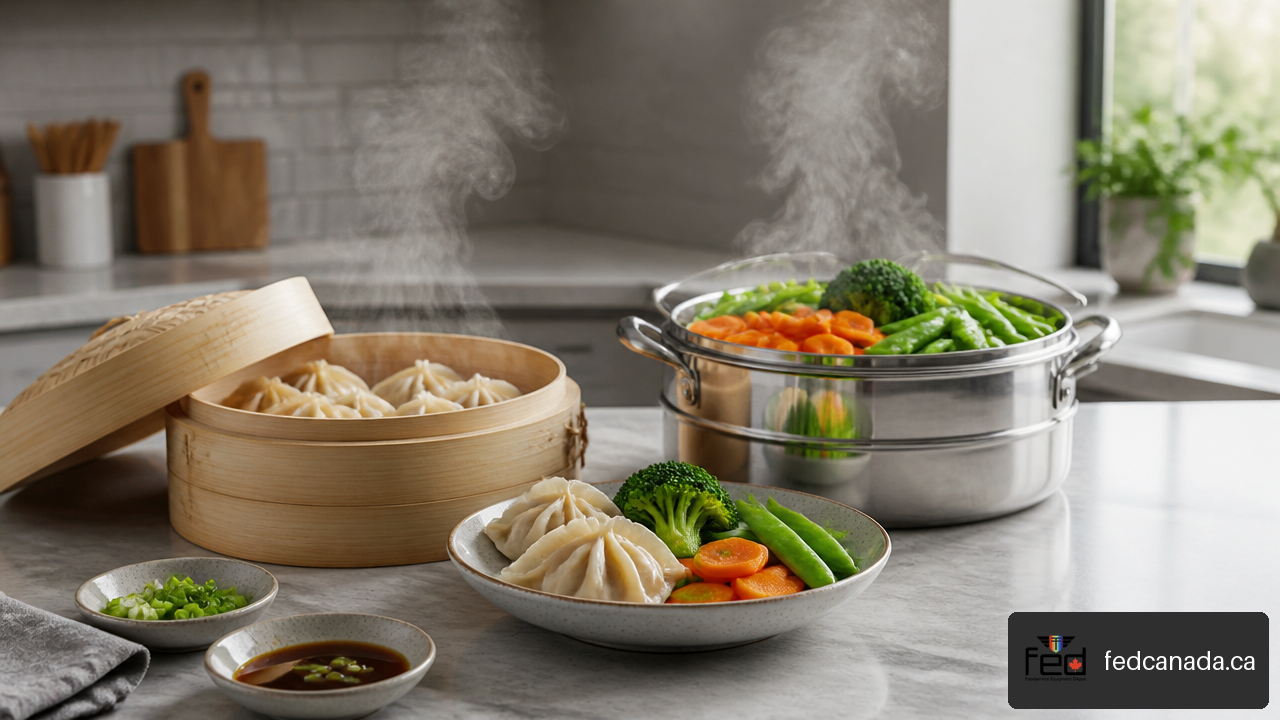
The best food steamer is not automatically the largest or most expensive model. It is the one that matches your usual batch size, storage space, available cookware, and preferred foods. A bamboo basket is excellent for dumplings and buns; it is less convenient for a large family portion of mixed vegetables. An electric unit can simplify weeknight meals, but it takes counter or cabinet space and needs regular reservoir cleaning.
| Steamer type | Best for | Advantages | Trade offs |
|---|---|---|---|
| Stovetop basket or insert | Occasional vegetables, fish, and reheating | Compact, affordable, works with existing pots | Requires attention to water level and burner heat |
| Bamboo steamer | Dumplings, bao, fish, dim sum style dishes | Stackable, breathable, attractive serving option | Needs thorough drying and can retain odors |
| Electric food steamer | Frequent multi item meals | Timers, multiple tiers, simple operation | Uses storage space and needs descaling |
| Rice cooker tray | Rice plus vegetables or fish | Makes use of an appliance many kitchens already own | Limited tray size and timing flexibility |
| Pressure cooker with rack | Tamales, larger batches, fast cooking | Versatile appliance with strong heat retention | Different method from gentle atmospheric steaming |
### Bamboo steamers: best for breathable cooking
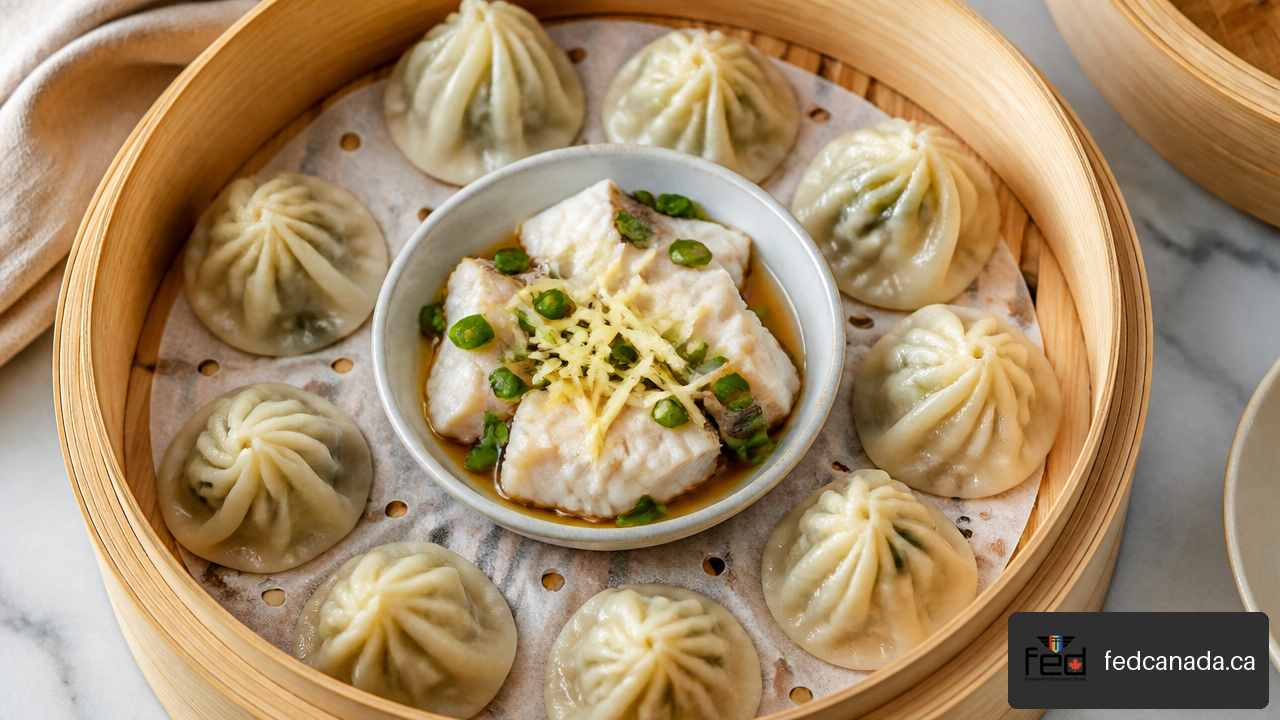
Bamboo baskets allow some moisture to escape through the material and seams, which can help with foods that dislike a wet surface. They are especially useful for buns, dumplings, and fish served in a light sauce. Set the basket over a wok or pot that supports it securely, with simmering water below.
Use a liner for sticky foods. Perforated parchment, cabbage leaves, or lettuce leaves can create a barrier while still allowing steam to rise. Do not use a solid sheet of parchment without holes beneath an entire basket, because it can block steam from reaching food in the center.
After use, remove food particles, rinse as needed, and let the baskets air dry completely before stacking or storing. Fair warning: bamboo that stays damp can develop odors or surface growth. If the basket cracks, splinters badly, or cannot be cleaned effectively, replacement is usually more practical than trying to extend its life.
### Electric steamers: best for repeatable meals
Electric food steamers suit cooks who want a dedicated appliance for vegetables, fish, eggs, or complete plated components. Their main strength is consistency: the reservoir, heating element, tiers, and timer create a repeatable process. Their weakness is specialization. If you use it once a month, a collapsible basket may earn its cabinet space more easily.
Choose an electric model with a reservoir you can inspect and clean, a clear minimum water mark, stable tier connections, and enough capacity for your normal portions. Do not assume a three tier unit means three full meals at once. Dense food in the lower tier can reduce steam flow to upper baskets, while the upper tier may receive cooler, wetter vapor as condensation accumulates.
### A practical decision rule
I suggest using this simple filter before buying:
1. Choose a **stovetop insert** if you want low cost flexibility and already own suitable pots.
2. Choose **bamboo** if dumplings, buns, and delicate Asian dishes are frequent favorites.
3. Choose an **electric steamer** if you regularly cook several components and value timers over cabinet space.
4. Use a **rice cooker tray** if rice is already part of the meal and the tray suits your batch size.
5. Choose a **pressure cooker setup** when speed, tamales, or versatile one pot cooking matter more than the gentlest steam environment.
## How to Steam Food Without Soggy Results
The biggest misconception about steaming is that more moisture always means better food. Steam should heat food, not drown it. When food turns soggy, the culprit is usually crowding, lid condensation, overcooking, or water touching the food.
### Set up the chamber correctly
Start with enough water to last through the expected cook time, but keep it below the steaming rack or basket. Bring the water to a steady boil or active simmer before adding most foods. If the steam is weak at the start, the cooking period becomes unpredictable and ingredients may warm slowly rather than cook evenly.
Arrange food in one loose layer whenever possible. Steam cannot move efficiently through a packed mound of broccoli, a stack of fish fillets, or dumplings pressed edge to edge. Leave small gaps. For a tiered steamer, put denser, slower cooking food closer to the steam source and quick cooking food in the upper tier only when it will not be soaked by drips.
### Control lid condensation
Condensation forms when hot steam meets a cooler lid. That moisture may roll to the edges, which is harmless, or it may drip directly onto food. Whether that is a problem depends on the dish.
• For vegetables, a little condensation is rarely a concern.
• For custards, dumplings, buns, and crisp coated foods, direct drips can create wet spots or a gummy surface.
• For fish served with aromatics or sauce, a covered heat safe dish can contain flavorful juices while shielding the fish from diluted condensation.
A domed lid often directs moisture toward the sides better than a flat lid. Some cooks wrap a bamboo steamer lid with a clean cloth to catch droplets, but the cloth must be kept well away from a flame and must not obstruct vents. A safer alternative is a properly sized cover or a dish inside the steamer.
### Use a thermometer for animal foods
Cooking time estimates are only starting points. Thickness, starting temperature, crowding, and the power of the heat source can all change the result. A salmon portion and a thick chicken breast may look similar from above while cooking at very different rates.
For poultry, meat, fish, egg dishes, and filled dumplings, use a food thermometer and follow current Canadian safe cooking guidance for the specific food. Check the thickest portion without touching the basket, bone, or dish. If the center is not ready, return it to the steamer and recheck after a short interval. This approach is more reliable than treating a recipe time as a guarantee.
### Steam assisted reheating needs a second check
Steam is excellent for refreshing rice, bao, cooked vegetables, and foods that dry out in a microwave. It does not automatically make leftovers safe simply because they feel hot or look steamy. Divide dense leftovers into smaller portions, arrange them loosely, and verify that the center has heated adequately before serving.
For example, a tightly packed container of rice may be piping hot at the edges while the center remains cool. Loosening the rice, covering it lightly, and stirring once during reheating improves heat distribution. The same principle applies to thick casseroles or a bundle of stacked dumplings.
### Recovery steps when things go wrong
| Problem | Likely cause | Practical fix |
|---|---|---|
| Water runs dry | Reservoir was too small or cook time was underestimated | Refill carefully with hot water when safe, then monitor more closely |
| Food is undercooked | Weak steam, crowding, or cold starting food | Restore a strong simmer, separate pieces, and continue cooking |
| Food is watery | Condensation dripped or cooking ran too long | Use a covered dish or liner and shorten the finish time |
| Dumplings stick | Basket was unlined or food sat too long after cooking | Use perforated parchment or leaves and remove promptly |
| Uneven tiers | Steam path was blocked | Rotate or rearrange tiers if the appliance instructions permit it |
## Steamers in Commercial Foodservice
In a professional kitchen, steaming is often part of a larger production system rather than a single appliance decision. Operators may use steam kettles for soups and sauces, combi equipment for batch cooking, steam tables for holding, and countertop units for smaller tasks. Each tool solves a different problem.
### Cooking, holding, and reheating are different jobs
A steamer cooks food. A steam table primarily holds prepared food at serving temperature. Confusing those roles can damage quality and complicate food safety practices. For buffet lines, cafeterias, and catering setups, an [Electric Open Well Steam Table](https://fedcanada.ca/product/electric-open-well-steam-table-with-4-pan-size-tray-cutting-board-and-under-shelf-58-inch-46647) is designed around organized pan holding and service, not around cooking raw chicken or bringing a dense batch from cold to fully cooked.
Similarly, a [Commercial Electric Countertop Steam Kettle](https://fedcanada.ca/product/12-gallon-commercial-electric-countertop-tilting-electric-steam-kettle-crown-ec-12tw-2) fits operations producing soups, sauces, grains, and other high volume moist foods. Its value is capacity and controlled production, while a basket steamer is better suited to items that need open steam circulation.
### Build quality around the service window
Steamed food can lose its appeal when it waits too long. Vegetables continue softening, dumplings can dry or toughen, and fish can turn fragile. The practical goal is to cook as close to service as possible, then hold only as long as quality permits.
For catered service, use shallow pans where appropriate, avoid piling delicate food too deeply, and replenish in smaller batches. For more operational guidance, review [Techniques for Efficient Food Warming](https://fedcanada.ca/blog/hot-and-ready-techniques-for-efficient-food-warming) when planning how cooked food moves from kitchen to service.
### Maintenance protects performance
Steam equipment works hard on water and heat, so small maintenance tasks matter. Mineral deposits can slow heating, clog vents, and affect water level sensors. Food debris around seals or baskets can trap odors and make cleaning harder.
A practical routine includes:
• Emptying and drying reservoirs after use when the manufacturer directs it.
• Removing mineral scale according to the appliance instructions.
• Checking baskets, seals, cords, handles, and lids for damage.
• Keeping vents clear and never blocking pressure release components.
• Cleaning bamboo baskets gently and drying them fully before storage.
## Key Takeaways
• **Steamers food setups work best when steam can circulate freely** around ingredients rather than forcing its way through crowded tiers.
• **Choose the tool by menu and batch size.** A simple pot insert handles occasional vegetables, while bamboo, electric units, rice cookers, and pressure cookers each suit specific cooking patterns.
• **Condensation is manageable.** Use liners, covered dishes, sensible spacing, and a lid shape that directs droplets away from delicate foods.
• **Do not rely on cook times alone for animal foods.** Use a thermometer and current food safety guidance for the ingredient you are cooking.
• **In commercial kitchens, cooking equipment and holding equipment have separate roles.** Match the machine to the production task, service volume, and cleaning capacity.
## FAQ: Steamers Food Questions Answered
### What is a food steamer and how does it work?
A food steamer holds food above hot water so rising vapor cooks it in a covered chamber. The food is heated by steam rather than submerged in liquid. Effective steaming depends on a stable heat source, a lid, enough water, and open space around the food.
### Is steaming food healthier than boiling or frying?
Steaming generally requires little or no added oil, which can make it a lower fat cooking option than frying. It also avoids leaching food directly into a large pot of water, as boiling can. Still, “healthier” depends on the full meal: sauces, portions, ingredients, and food handling matter as much as the cooking method.
### Is a bamboo steamer better than an electric food steamer?
Neither is universally better. Bamboo is a strong choice for dumplings, buns, and smaller batches where a breathable basket helps limit moisture buildup. An electric steamer is more convenient for frequent multi component meals and timed cooking. Choose bamboo for specialized texture and compact storage; choose electric for routine convenience.
### Can I steam vegetables, fish, chicken, rice, and dumplings at the same time?
You can steam different foods together when their cooking times, aromas, and food safety needs are compatible. Keep raw animal foods separate from ready to eat foods when possible, place slower cooking items closer to the steam source, and avoid overcrowding. For mixed meals, add quick cooking vegetables near the end instead of loading everything at once.
### Why does steamed food become soggy?
Sogginess usually comes from overcooking, food sitting in water, blocked steam circulation, or condensation dripping from the lid. Keep water below the food, leave gaps between pieces, use a liner for sticky foods, and use a covered dish for items that need protection from droplets.
### Can I use a rice cooker or pressure cooker as a food steamer?
Yes, if the appliance includes a suitable tray, rack, or steaming function and its instructions permit that use. A rice cooker can be convenient for rice with vegetables or fish above it. A pressure cooker is useful for some larger or faster cooking tasks, but its high pressure environment produces a different result from gentle basket steaming.
### Can a food steamer reheat leftovers effectively?
Yes. Steam assisted reheating is particularly useful for rice, buns, dumplings, and foods that tend to dry out. Arrange leftovers in a shallow, loose layer so heat reaches the center, and verify that dense foods are thoroughly reheated rather than assuming visible steam is enough.
### How should I clean and store a food steamer?
Wash removable baskets and trays after use, empty the water reservoir, and remove mineral deposits as directed by the manufacturer. Dry bamboo baskets fully before stacking them. For electric units, inspect the reservoir and vents regularly, because scale or food residue can reduce performance over time.
### Sources / References
1. Canadian Food Inspection Agency — Culinary steam: https://inspection.canada.ca/en/preventive-controls/culinary-steam
2. reddit.com: https://www.reddit.com/r/Cooking/comments/1dh41xr/steamer/
Recent Posts
Bakery Equipment in Calgary: Ovens, Mixers, Dough and D...
11th November, 2026
Used Restaurant Equipment in Calgary: Restored, Used an...
11th November, 2026
Restaurant Supply Store in Calgary: Commercial Kitchen...
11th November, 2026
Commercial Kitchen Layout and Workflow Design That Work...
11th November, 2026
Leave a Comment
Your email address will not be published. Required fields are marked *