




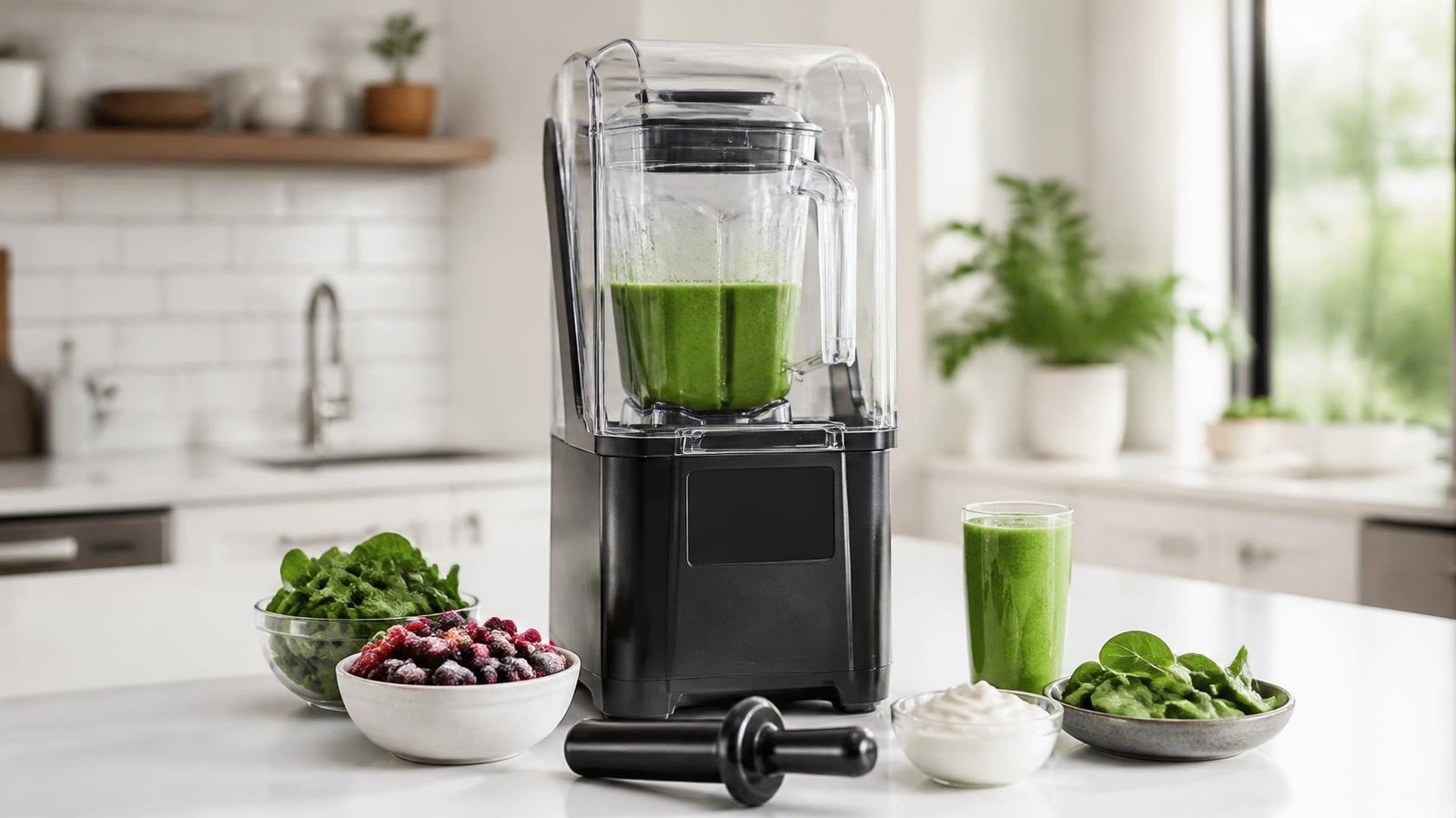
Vitamix: A Smart Buyer’s Guide for Blending, Care, and Repairs
A Vitamix is a high performance blender built for more than occasional smoothies. It can turn fibrous greens into a smoother drink, create hot soups through blending friction, emulsify sauces, process nut butter, and handle thick frozen mixtures when the container, speed, and tamper are used correctly. The question is not simply whether it blends well. It is whether its capacity, controls, warranty terms, and operating demands fit how you cook.
Table of Contents
- Key Takeaways
- What Makes Vitamix Different
- Choosing the Right Vitamix Setup
- Care, Troubleshooting, and Canadian Warranty Details
- Frequently Asked Questions
- Sources
Key Takeaways
The short answer on value
I would view a Vitamix as a long term kitchen tool rather than a basic countertop blender. Its strongest case is for households, culinary entrepreneurs, cafés, caterers, and foodservice operators who regularly make smoothies, puréed soups, sauces, frozen desserts, or nut based preparations. The purchase becomes harder to justify if it will only make a few drinks each month.
The practical advantage is not just speed. A strong motor, variable speed control, durable blade assembly, and tamper allow the blender to work through ingredients that commonly stall lighter machines. That can mean a silkier green smoothie, a smoother carrot soup, or an emulsified dressing that does not separate quickly.
The ownership details matter
The best Vitamix is not automatically the largest or most automated model. Container shape, batch size, counter clearance, storage space, and recipe habits matter as much as the motor base.
For Canadian buyers, warranty eligibility also deserves close attention. The blender warranty, a separately purchased container warranty, household use, and commercial use may be treated differently. This matters especially for anyone planning to use a home model in a café, food truck, catering business, or other revenue producing setting.
A premium blender should reduce friction in your cooking routine. If it demands oversized batches, frequent cooling breaks, or awkward storage, the most capable machine on paper may not be the right fit in practice.
What Makes Vitamix Different
Motor power, blade action, and variable speed
Vitamix blenders are known for combining a powerful motor base with a blade system designed to create a strong circulation pattern inside the container. Ingredients are pulled downward toward the blades, pushed outward, and returned through the mixture. With enough liquid and the right speed, this continuous movement breaks down ingredients evenly.
Variable speed is central to that process. Lower speeds can help with chopping, coarse textures, and controlled emulsification. Higher speeds are generally used when the goal is a very smooth texture. For example, a vinaigrette may start at a lower setting so oil incorporates steadily, while a smoothie with kale, frozen berries, and yogurt may need higher speed to fully process fibrous ingredients.
The container is part of the system, not merely a vessel. Its shape influences how ingredients circulate, while its blade assembly must transfer power from the motor base without slipping or binding. That is why an issue that appears to be a motor problem may sometimes begin at the container drive gear or blade area.
Where a Vitamix performs best
A Vitamix is most useful when texture matters and the recipe contains ingredients that need substantial processing. Common applications include:
- Smoothies with leafy greens, seeds, frozen fruit, oats, or protein powders
- Creamy soups made by blending cooked ingredients until hot from friction
- Sauces, dressings, hummus, purées, and emulsified mixtures
- Frozen desserts made from fruit, ice, or thick dairy based mixtures
- Nut butters and dense spreads that require a tamper and steady ingredient movement
For everyday cooking, the difference often shows up in the finish. A tomato sauce can feel less grainy. A cashew cream can become smoother. A blended soup can have a more uniform body without relying on straining.
That said, no blender is effortless with every formula. Thick mixtures, low moisture ingredients, and oversized frozen pieces can interrupt circulation. A Vitamix can manage many of these tasks, but correct loading and tamper use still matter.
The tamper is a technique tool, not a workaround
Cavitation occurs when ingredients stop moving around the blades and an air pocket forms. You may hear the motor speed up while the mixture above the blades remains stubbornly still. This is common with thick smoothie bowls, nut butter, frozen fruit blends, and mixtures with too little liquid.
The correct response is usually to use the tamper through the lid opening while the lid is secured. The tamper moves ingredients into the blade vortex without contacting the blades. Repeatedly stopping the blender, shaking the container, and restarting can be slower and may not solve the underlying loading issue.
I would use this sequence for a dense blend:
- Start with ingredients that provide moisture, such as yogurt, milk, cooked vegetables, or softened fruit.
- Add softer ingredients before heavy frozen pieces or dry ingredients.
- Begin at a lower speed, then increase as circulation develops.
- Use the tamper when the mixture stops moving rather than adding excessive liquid immediately.
- Stop and reassess if the mixture remains immobile or the machine repeatedly shuts down.
Choosing the Right Vitamix Setup
Match container size to your real batch size
Container capacity affects more than how much food fits inside. It also affects how well small batches circulate. A large container can be excellent for family smoothies, soup, and meal prep, but a very small amount of dressing or pesto may spread too thinly across the base to blend efficiently.
| Cooking pattern | Better container priority | Why it matters |
|---|---|---|
| Single servings and small sauces | Smaller capacity or compatible personal cup system | Better ingredient contact and less waste |
| Family smoothies and soups | Mid to large container | More room for multiple portions and hot blending |
| Nut butter and frozen desserts | Container designed for thick mixtures | Easier tamper use and more reliable circulation |
| Limited cabinets or low counters | Shorter container profile | Better daily storage and less friction using it |
For a household that makes one smoothie at a time, a compact container may be more useful than a large one. For a family making soup twice a week, a larger vessel offers more value because it avoids multiple batches. A catering operation needs an additional consideration: batch consistency and throughput. Household containers may be useful for development work or small prep, but the warranty terms should be checked before using any consumer model commercially.
Manual controls versus programs
Manual controls suit cooks who want to adjust speed as texture changes. They are particularly useful for recipes where you need to begin slowly, fold ingredients into the blades, then increase speed. This can be helpful for salsa, hummus, nut butter, and thick smoothie blends.
Preset programs can be convenient for routine tasks such as smoothies or soups. Their advantage is repeatability: load ingredients, select the program, and let the blender run through a planned speed cycle. Their limitation is that recipes are not identical. Frozen fruit size, ingredient temperature, liquid amount, and batch volume can all change the result.
Choose manual controls when you want direct texture control. Choose programs when convenience and repeatable routines matter most. If you regularly prepare both delicate sauces and dense frozen blends, a machine with variable speed remains valuable even when it also has programs.
Vitamix versus lower cost high power blenders
A lower priced blender may be sufficient for simple smoothies, soft fruit, and occasional soup. A Vitamix tends to make more sense when you need consistent texture across harder ingredients, frequent use, thick blends, and long term service support.
| Decision factor | Vitamix may fit better when | A lower cost blender may fit better when |
|---|---|---|
| Frequency | You blend several times each week | You blend occasionally |
| Texture expectations | You want smooth soups, sauces, and fibrous smoothies | Minor texture variation is acceptable |
| Thick recipes | You make nut butter, frozen desserts, or dense purées | You mainly use liquids and soft produce |
| Service planning | Warranty terms and replaceable components matter | Lowest upfront cost is the priority |
| Commercial use | You are evaluating an approved commercial solution | You only need light household use |
There is no reliable public evidence in the supplied materials establishing that one brand has a universal durability advantage over every competitor. I would avoid treating a Vitamix as an automatic lifetime purchase. It is a premium machine with a strong reputation, but the better choice depends on workload, recipe type, budget, and whether the product is intended for household or commercial use.
Care, Troubleshooting, and Canadian Warranty Details
A practical response to shutdowns and overheating
An automatic shutdown can be protective, but it should not be dismissed every time it occurs. Thermal protection may stop a motor after a demanding blend, especially if the mixture is very thick or circulation has stalled. A single stop after prolonged use can call for cooling and a recipe adjustment. Repeated shutdowns during ordinary blends deserve closer attention.
Use this decision path:
- Stop blending immediately if the unit shuts off, smells hot, or the mixture is not circulating.
- Allow the motor base to cool before attempting another blend. Do not keep restarting it while hot.
- Check the recipe for insufficient liquid, an overly large frozen load, or a thick mixture that should have used the tamper.
- Inspect the container and drive area for leaks, unusual resistance, a seized gear, or visible damage.
- Check power basics if the machine will not start: the outlet, power connection, switch position, breaker, and reset condition.
- Contact support if the issue repeats, if there is a persistent burning smell, or if the container drive system appears damaged.
Vitamix’s use and care documentation advises owners to check the power connection, outlet, switch, breaker, and reset condition when a machine does not operate, then contact technical support if those steps do not resolve the problem. See the Vitamix use and care manual troubleshooting guidance for the manufacturer’s basic process.
Burning smells, gear issues, and hard ingredients
A faint smell during heavy use may not always indicate a failed motor, but a strong or persistent burning smell is a reason to stop using the blender and inspect it. Continuing to run a machine with a seized container gear, damaged drive component, or repeated overheating can make diagnosis more difficult.
Hard ingredients deserve special care. Very hard cheese, large frozen chunks, pits, bones, nonfood items, and ingredients that do not match the product instructions can place unusual stress on the blades, container, and drive system. Cutting ingredients smaller, softening them first, using enough liquid, and following the model specific manual are safer approaches than forcing a stalled blend.
Community reports are useful for identifying possible edge cases, not for estimating how often they happen. In one Reddit discussion, individual users described container related failures involving seized gears, burning smells, and hard cheese, as well as positive replacement experiences. Read the r/Vitamix discussion about container failures and service outcomes as anecdotal evidence rather than a reliability study.
Warranty boundaries and a better repair workflow
Canadian warranty details can be misunderstood because coverage depends on what was purchased, how it is used, and whether the component was included with the blender or bought later. Vitamix Canada states that its qualifying 10 year full warranty covers the motor base, containers purchased with the blender, lids, and tampers, subject to the applicable terms. It covers defects and normal wear from ordinary household use, while commercial, rental, and resale use are excluded. The company may repair, replace, or refund a covered blender that cannot be repaired under the warranty terms. Review the Vitamix Canada 10 year full warranty terms before assuming coverage applies.
A separately purchased container may not follow the same coverage period as the original blender package. Vitamix states that separately purchased containers and related components may carry a three year warranty, subject to its terms, with cosmetic changes and effects from abrasives or cleaners excluded. See the Vitamix three year component warranty details for the relevant distinction.
Before contacting service, prepare:
- The serial number from the back or bottom of the motor base below the barcode
- Proof of purchase, if available
- The model name and purchase date
- A concise description of the symptom, including shutdowns, leaks, smell, or gear resistance
- Photos or video of visible container or drive damage when safe to capture
- Confirmation of whether the container was included with the original blender or purchased separately
Vitamix Canada advises owners to consult the applicable warranty and have the serial number available when contacting support. Its Canadian service information is available through the Vitamix Canada service and troubleshooting page.
Frequently Asked Questions
Is a Vitamix worth the price in Canada?
It can be worth the price if you blend frequently, care about smooth texture, make thick recipes, or value warranty and repair pathways. It is less compelling for occasional light blending. Consider the full ownership picture: purchase price, container needs, accessories, warranty eligibility, and expected weekly use.
Which Vitamix is best for smoothies and everyday cooking?
Choose based on batch size and controls rather than assuming one model fits every kitchen. A medium or large container works well for family smoothies and soups. A smaller container or personal cup system can be more practical for individual drinks and small sauces. Variable speed is especially helpful for cooks who want control over texture.
Can a Vitamix make hot soup safely?
It can blend cooked ingredients until friction warms the mixture, but safe use depends on following the instructions for the specific container and model. Start with cooked ingredients and avoid overfilling. Hot mixtures expand and produce steam, so use the correct lid, follow fill guidance, and do not treat every container as interchangeable for hot blending.
Why does my Vitamix keep shutting off?
A shutdown may be thermal protection after a thick blend, poor circulation, or extended use. Let the base cool, reduce the load, use adequate liquid, and use the tamper for thick recipes. If shutdowns happen repeatedly with normal blends, or if the unit will not restart after basic electrical checks, contact Vitamix support.
What should I do if my Vitamix smells like burning?
Stop using it, allow it to cool, and inspect the container and drive area for resistance, visible damage, or a seized gear. Do not keep blending to “clear” the smell. A persistent burning smell, repeated shutdown, leak, or damaged component should be documented and reported to support.
How do I fix cavitation in a Vitamix?
Cavitation usually means the ingredients are not circulating around the blades. Add enough liquid for the recipe, reduce the batch if it is too large, place softer or wetter ingredients near the blades, increase speed gradually, and use the tamper through the secured lid opening. For frozen desserts and nut butter, the tamper is often essential.
Does a Vitamix warranty cover commercial use?
Do not assume so. The cited Canadian 10 year full warranty excludes commercial, rental, and resale use. If the blender will be used in a restaurant, café, catering operation, or other business, confirm that the specific product is rated and warranted for that use before purchasing.
Sources
- Vitamix Canada — Vitamix 10 Year Full Warranty: https://www.vitamix.com/ca/en_us/shop/10-year-warranty
- Vitamix — 3 Year Warranty: https://test.vitamix.com/vr/en_us/shop/3-year-warranty
- Vitamix Canada — Service, Returns & Troubleshooting: https://www.vitamix.com/ca/en_us/owners-resources/product-support/faqs/service-returns-troubleshooting
- Vitamix — Use and Care Manual: https://www.vitamix.com/media/catalog/product/file/MAN_MM_MM_Adv_US_CA.pdf
- Reddit, r/Vitamix — Good experience with Vitamix: https://www.reddit.com/r/Vitamix/comments/1o323oh/good_experience_with_vitamix/
Recent Posts
Leave a Comment
Your email address will not be published. Required fields are marked *