




1-Phase vs 3-Phase: The Ultimate guide to Commercial Kitchen Power
1-Phase vs 3-Phase: The Ultimate guide to Commercial Kitchen Power
Picture this: You’ve just received your brand new, heavy–duty commercial oven. You uncrate it, wheel it into your kitchen, and as you go to plug it in…the plug looks completely alien to you and it doesn’t fit your wall outlet. What gives about single phase vs three phase power?
Buying commercial restaurant equipment without verifying your building’s single-phase or three-phase electrical supply is one of the most common - and most expensive - mistakes restaurant owners make. Returning heavy freight comes with massive restocking fees, and paying an electrician to rewire your kitchen can cost thousands.
Whether you are outfitting a cafe, food truck, or a massive banquet facility, understanding your single phase and three phase power distribution and requirements is non-negotiable. Here is your ultimate guide to decoding single phase vs three phase power, voltage, and plugs.
What is “Phase” in Commercial Electricity?
In the simplest terms, electrical “phase” refers to how AC (alternating current) power is delivered to your equipment.
Single-Phase (1-Phase) Power Explained
Single-phase power is the standard electrical delivery method found in almost all residential homes and many small commercial spaces, while three phase power is used in larger applications. It delivers power in a single continuous wave.
-
Best for higher power applications: three phase power systems. Lower-draw equipment may only need single-phase connections, but it’s essential to consider the phase electricity requirements.
-
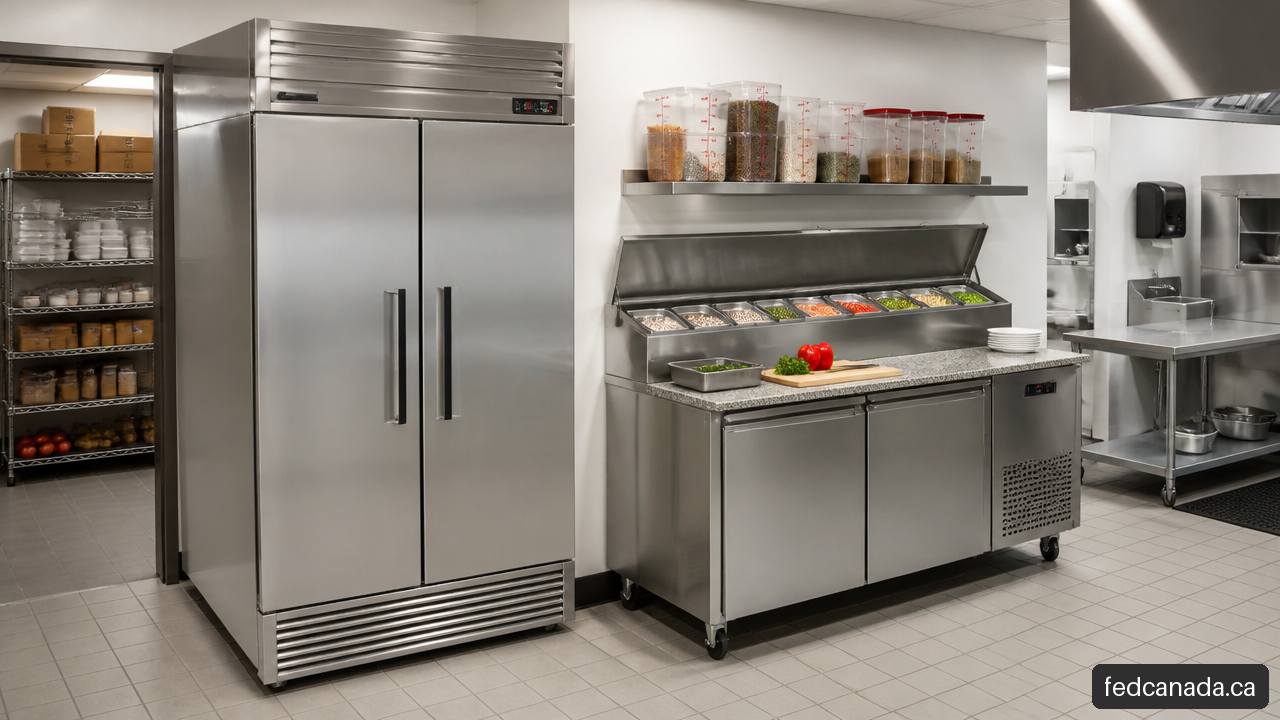
Common 1-Phase Equipment and its electrical power requirements: Undercounter refrigerators, glass-door display coolers, commercial panini presses, small conveyor toasters, and countertop prep gear often require specific power supplies, whether single phase or three phase.
-
The Catch: Make sure you understand the difference between single-phase and three-phase power before making a purchase. If you run too many heavy-duty appliances on a single-phase system, you will constantly trip your circuit breakers.
Three-Phase (3-Phase) Power Explained
Three-phase power delivers electricity in three overlapping waves, providing a continuous, incredibly steady stream of three-phase power supplies. This setup is standard in large commercial and industrial buildings.
-
Best for: applications that require robust power delivery, such as three phase power systems. Heavy-duty, high-volume equipment that requires massive amounts of power to maintain temperature or speed.
-
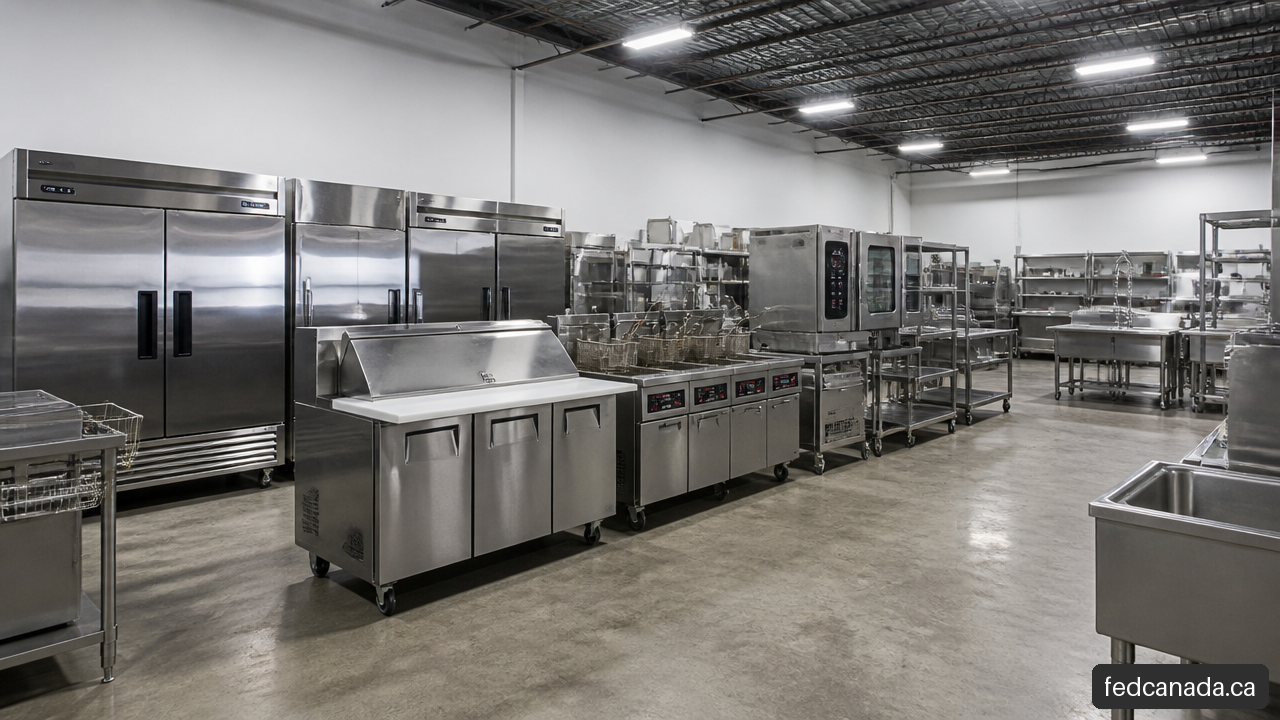
Common 3-Phase Equipment: High-temp commercial dishwashers, massive walk-in freezers, heavy-duty dough mixers, and large electric pizza ovens.
-
The Catch: If your building does not already have 3-phase power, upgrading your electrical panel to support it is a major construction project.
Voltage: 120V vs. 208V/240V
While phase dictates how The power is derived from the phase supply, and voltage is the amount of electrical potential. pressure Pushing that electricity through the correct phase supply is crucial for optimal performance.
-
115V / 120V: This is your standard wall outlet. Most basic prep equipment, small coffee machines, and undercounter fridges use single phase power.
-
208V / 240V: Large equipment needs higher “pressure” or phase power to function efficiently. Fryers, griddles, and espresso machines such as the Bravilor Seco 12 often require 208V or 240V lines for optimal phase power. Note: 208V and 240V are not always interchangeable, particularly when discussing single phase vs three phase configurations. Check the spec sheet for the required power supplies!
Plugs vs. Hardwiring (The NEMA Code)
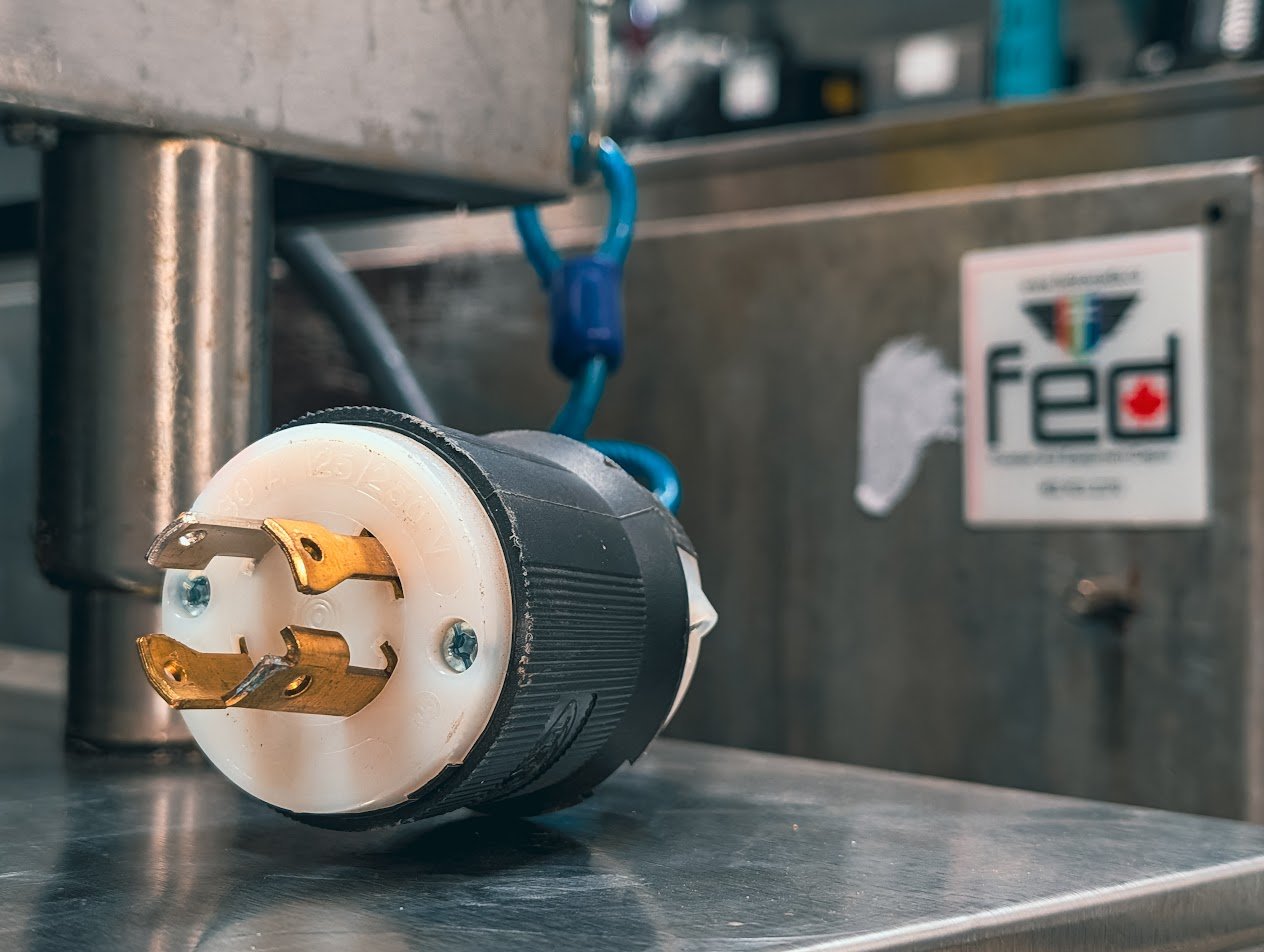
Commercial equipment doesn’t just use one type of plug; it may require both single-phase and three-phase power connections for diverse electrical power needs, especially when considering phase converters. They use specific configurations known as NEMA plugs (National Electrical Manufacturers Association) for both single-phase and three-phase systems. If you look at an equipment spec sheet, you might see a code that indicates whether it requires single phase or three phase power. NEMA L6-30P.
-
L means it is a “Locking” plug (you twist it so it doesn’t accidentally get pulled out) to ensure a secure connection to the power system.
-
6 denotes the voltage class (250V).
-
30 Denotes the amperage (30 Amps), which is crucial for determining compatibility with your phase power supplies.
-
P Phase wire stands for Plug (while R stands for Receptacle - the wall outlet) in a three-phase power system, highlighting the difference between single-phase and three-phase setups.
Important: Understand the difference between single-phase and three-phase systems to ensure proper equipment compatibility. Many large pieces of commercial equipment do not come with a plug at all, especially those designed for three phase power. They require a neutral wire for proper electrical power balance in both single phase and three phase setups. Hardwiring a three-phase power system can ensure efficient AC power delivery. This means a certified electrician must permanently wire the unit directly into your building’s electrical box using the appropriate power wire.
How to Avoid an Electrical Disaster
Before you hit "buy" on that new piece of gear, take these three steps to ensure compatibility with your phase supply.
-
Check your breaker box for proper electrical power distribution: Look at your electrical panel. Does it say 1-Phase or 3-Phase? What is the total amperage required for your three-phase supply?
-
Read the Spec Sheet: Every piece of equipment at FED has a spec sheet detailing the exact Phase, Voltage, Amps, and NEMA plug required for optimal electrical power delivery.
-
Consult an Electrician (and Us!): Send the equipment spec sheet to your electrician to confirm the correct single-phase power supplies before purchasing.
At Foodservice Equipment Depot (FED), we want to make sure your equipment works the second it hits your floor. If you are unsure about whether a unit will run in your kitchen, send us a message. Our team can help you navigate the spec sheets so you can buy with total confidence in your phase electricity choices. Shop our massive inventory of new and clearance commercial equipment at fedcanada.ca, including options for both single-phase and three-phase power supplies.
Recent Posts

Leave a Comment
Your email address will not be published. Required fields are marked *