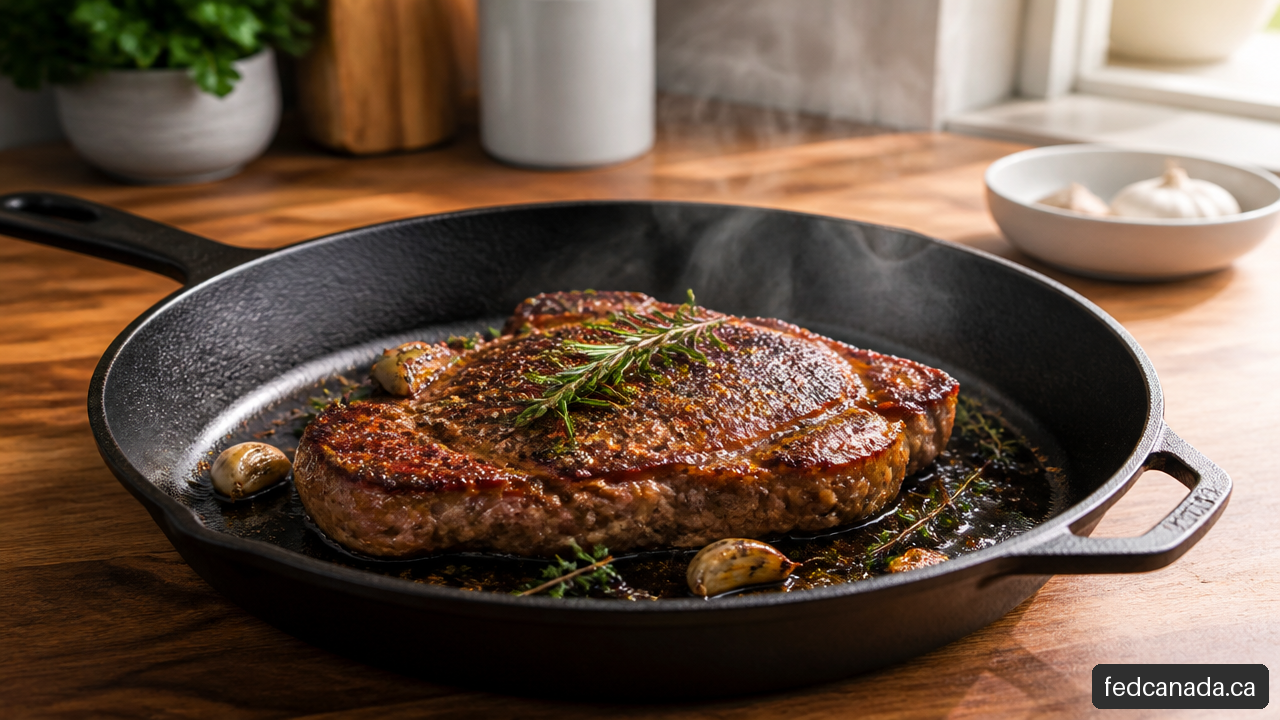
A Cast Iron Pan can sear, bake, fry, braise, and move from an induction burner to an oven with ease. Its appeal is simple: strong heat retention, impressive durability, and a seasoning layer that can become increasingly reliable with routine care. The tradeoff is that cast iron asks for a little attention around moisture, heat changes, and oil application.
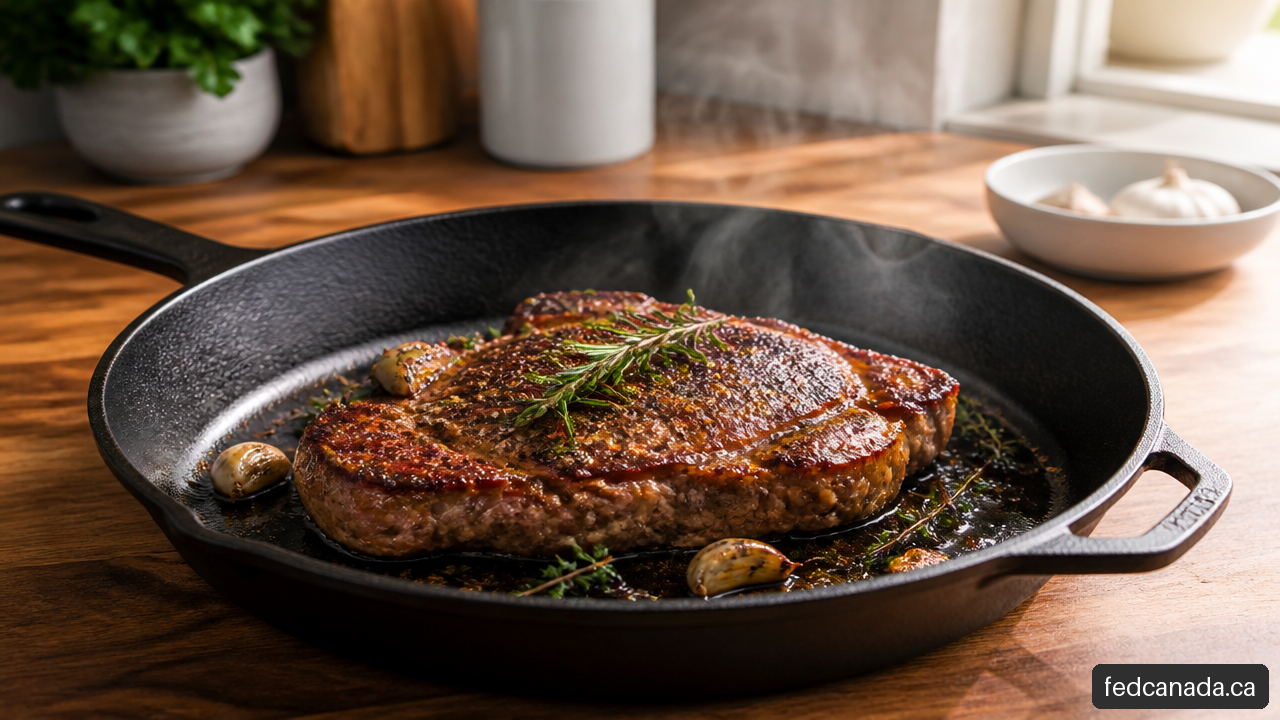
Table of Contents
- Choose the Right Cast Iron Pan
- Cook With Cast Iron More Reliably
- Season, Clean, and Store Your Pan
- Fix Common Cast Iron Pan Problems
- Key Takeaways
- Cast Iron Pan FAQ
Choose the Right Cast Iron Pan
Start with the cooking surface, not just the price
We recommend choosing cast iron based on what you cook most often and how much maintenance you are comfortable doing. The three most common options serve different purposes.
| Type of pan | Best for | Maintenance needs | Acidic foods | Important tradeoff |
|---|---|---|---|---|
| Bare cast iron | Searing, frying, baking, grilling, campfire cooking | Requires seasoning and complete drying | Best for short cooks once seasoning is established | Can rust if stored damp |
| Factory seasoned cast iron | Everyday cooking with less setup | Needs routine drying and light oiling | Fine for brief acidic cooking, but avoid long simmering when seasoning is new | Factory seasoning still needs care |
| Enameled cast iron | Braises, soups, sauces, tomatoes, vinegar-based dishes | No seasoning required on enamel | Usually the better choice for long acidic cooking | Heavier, often more expensive, enamel can chip |
Bare cast iron has an exposed iron surface. Its protection comes from seasoning, which is not simply grease sitting on the pan. When a very thin oil layer is heated, it changes into a bonded film that helps resist moisture and improve food release.
Factory seasoned cast iron is still bare cast iron underneath, but it arrives with an initial seasoning layer. That makes it ready for many cooking tasks, although the surface generally improves through use. A new pan may not perform like a mature nonstick skillet on its first egg. That is normal.
Enameled cast iron has a glasslike enamel coating over the iron. It does not need traditional seasoning, and it is generally more practical for tomato sauce, wine reductions, chili, or a long vinegar-based braise. Do not treat enameled cookware like bare cast iron, though. Aggressive scraping, extreme heat, and rapid temperature shifts can damage enamel.
Size, weight, and handling matter more than many buyers expect
A 10-inch skillet is often a practical starting size because it handles a couple of portions without becoming too difficult to lift. A 12-inch Cast Iron Pan offers more cooking area, but it can be awkward when full of hot food. Before choosing a larger skillet, consider its path from cooktop to oven, oven to counter, and counter to sink.
Fair warning: weight is a safety consideration, not merely an inconvenience. If grip strength, wrist comfort, or one-handed lifting is a concern, look for a helper handle, use two hands, keep an oven mitt close by, and avoid carrying a full pan one-handed. A smaller skillet or lighter cookware material may be the better daily choice.
What cast iron does especially well
Cast iron has high thermal mass. In everyday terms, it absorbs plenty of heat and does not cool as quickly when food lands in the pan. That makes it useful for:
- Searing burgers, steaks, chops, mushrooms, and thick vegetables
- Frying foods that benefit from steadier oil temperature
- Baking cornbread, cobblers, biscuits, and skillet desserts
- Finishing chicken, frittatas, and pan pizzas in the oven
- Cooking on induction, gas, electric, grills, and many outdoor cooking setups
The same trait can work against delicate foods. A thin fish fillet may overcook if the pan is preheated too aggressively and the heat is not reduced. Cast iron responds slowly when you turn the burner down because the pan itself remains hot. We suggest thinking of the burner setting as a way to manage the pan’s next few minutes, not only the immediate moment.
Cook With Cast Iron More Reliably
Preheat for the food, not by habit
Cast iron needs more preheating than a lightweight aluminum pan, but maximum heat is not automatically better. Set the pan over medium or medium-low heat and give it time to warm gradually. Once the surface is hot, add oil and let it loosen and shimmer before adding food.
For a steak, a hotter pan is useful because it drives browning before the interior overcooks. For eggs, pancakes, or delicate fish, start lower. Add enough cooking fat to create a thin, visible film, then let the food sit long enough to release naturally. Trying to move food too soon is a common cause of sticking.
A seasoned cast iron pan is not a permanent nonstick coating. Good release depends on seasoning, preheat level, cooking fat, food moisture, and patience.
Avoid overcrowding when browning matters
A crowded pan loses surface heat when cold food is added. Cast iron recovers temperature better than many lighter pans, but it cannot instantly evaporate all the moisture released by a packed layer of vegetables or meat.
For instance, a single layer of mushrooms can brown. A deep pile of mushrooms will initially steam, even in a heavy skillet. If browning is the goal, cook in batches or use a larger pan. This is where the pan’s heat retention helps, but spacing still matters.
Know when another material may be the better tool
No cookware material is best at everything. This comparison can make the choice clearer.
| Material | Choose it when you need | Avoid it when you need |
|---|---|---|
| Cast iron | Strong searing, oven finishing, durability, heat retention | Very fast temperature adjustments or lightweight handling |
| Stainless steel | Fond for pan sauces, quick heat changes, acidic cooking | Easy release without technique and fat |
| Traditional nonstick | Eggs, delicate fish, low-fat cooking, easy cleanup | Very high heat searing or metal utensil use |
| Carbon steel | Faster response than cast iron with seasoning-based cooking | Maximum heat retention or minimal maintenance |
| Enameled cast iron | Braises and acidic long cooking | A surface that can tolerate rough metal scraping |
We would not frame this as cast iron versus everything else. A well-equipped kitchen often uses cast iron for its strengths and another pan for tasks where responsiveness or low weight matters more.
Season, Clean, and Store Your Pan
Understand the minimum maintenance routine
Routine care is usually much simpler than a full oven seasoning project. After ordinary cooking, follow this sequence:
- Let the pan cool enough to handle safely, but do not leave food or moisture sitting in it for hours.
- Wash with warm water and a brush, sponge, or chain mail scrubber as needed.
- Use a small amount of dish soap when needed for grease or stubborn residue.
- Dry the pan thoroughly with a towel, then warm it briefly on low heat to remove hidden moisture.
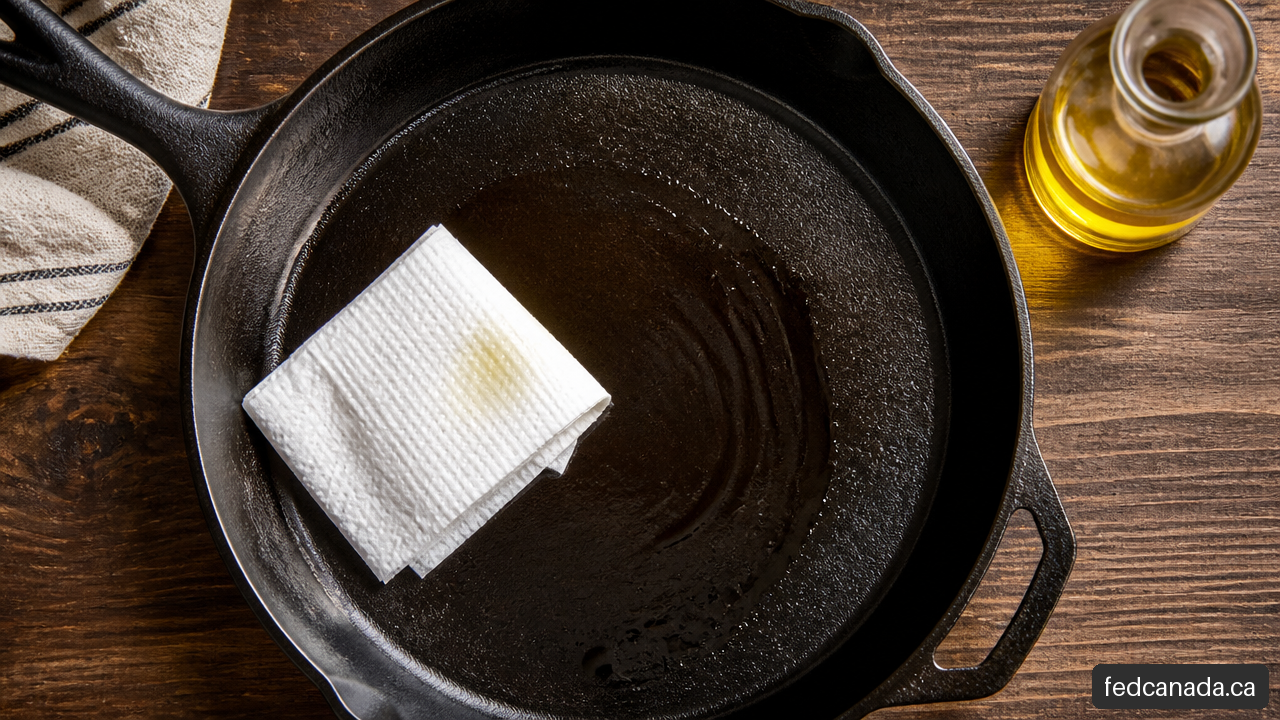
- Rub in a few drops of neutral oil, then wipe until the surface looks nearly dry rather than glossy.
The idea that soap always ruins cast iron is outdated. Virginia Tech notes that soap may be used when needed, provided the pan is dried completely and lightly oiled afterward: Virginia Tech’s cast iron care guidance explains this practical approach.
A little soap is different from soaking a skillet in a sink for hours or putting bare cast iron through a dishwasher. Extended water exposure gives rust the opportunity to form, especially around the rim, handle junction, and underside.
Full seasoning is for rebuilding, not every wash
Reserve full oven seasoning for a new unseasoned pan, visible rust removal, a surface that has become dull and prone to sticking, or seasoning that has been substantially stripped. For a standard method, clean and dry the pan, apply a very thin neutral oil layer, wipe away excess, and bake it upside down.
The temperature is not universal. The University of Maine Cooperative Extension describes an approximately 450°F oven method with a thin oil layer, which helps distinguish a full seasoning session from ordinary post-cooking oiling: University of Maine’s 450°F cast iron seasoning procedure.
Other trusted instructions use a higher temperature. The University of Arkansas Cooperative Extension uses a 550°F method with thin oil, repeated cycles, and ventilation, because the oil is intentionally heated beyond its smoke point: University of Arkansas guidance on high-heat seasoning and ventilation.
That difference does not mean one method is automatically wrong. Oven accuracy, oil choice, ventilation, and manufacturer instructions all affect the practical choice. If your kitchen has limited ventilation or an oven that produces significant smoke at higher temperatures, the approximately 450°F method may be more manageable. Use a thin coating either way. Excess oil is the usual cause of a gummy result.
For pan-size context, America’s Test Kitchen suggests about 2 teaspoons of oil for a 10-inch pan and 1 tablespoon for a 12-inch pan before wiping away the excess: America’s Test Kitchen oil quantity guidance for seasoning.
Store dry, uncovered enough to breathe
Store a bare cast iron pan only after it is fully dry and cool. If pans are stacked, place a paper towel or soft liner between them to protect the cooking surface and absorb stray humidity. Avoid storing a damp lid tightly on bare cast iron. Trapped moisture is the real problem.
For long storage, inspect the underside as well as the cooking surface. Rust often starts where moisture was missed, not where the pan was used.
Fix Common Cast Iron Pan Problems
Diagnose the surface before scrubbing it
Not every dark patch is seasoning, and not every rough spot needs complete stripping. Use appearance and texture to choose the response.
| What you see or feel | Likely issue | Best first response |
|---|---|---|
| Tacky, gummy film that feels oily | Sticky seasoning from too much oil or incomplete curing | Scrub lightly, heat dry, then apply an extremely thin oil layer |
| Black rough patches that remain after washing | Carbon buildup | Scrub the raised residue, then maintain with light oiling |
| Orange-brown spots or powder | Active rust | Scrub rust away, dry fully, and reseason exposed areas |
| Food sticking despite a dark surface | Heat, fat, timing, or weakened seasoning issue | Adjust preheat and fat first; reseason only if the surface is worn |
| Dull gray areas after hard cleaning | Thin or damaged seasoning | Apply a light oil layer and complete an oven seasoning cycle if needed |
Sticky seasoning is different from a good nonstick surface. It feels tacky even when the pan is cool and clean. This usually happens when oil was applied too thickly. The fix is not adding more oil. Remove the gummy layer with scrubbing, dry the pan, and use much less oil next time.
Carbon buildup is hardened residue from repeated cooking. It can look dark like seasoning, but it often feels raised, uneven, or flaky. If it catches on a spatula, it is probably not a smooth protective layer. Scrub only what is loose or raised, then reassess rather than stripping the entire pan by default.
Treat rust promptly and calmly
Surface rust is usually repairable. Scrub the affected area with warm water and an abrasive scrubber, dry immediately, heat the pan briefly to evaporate moisture, and apply a thin oil layer. If the scrubbed area is large or looks bare, complete a full oven seasoning cycle.
Do not shock hot cast iron with cold water. Rapid temperature changes can stress the metal and may contribute to warping or cracking, especially with thinner pieces. Let the pan cool somewhat before washing, or use warm water rather than cold.
Use a simple ready-to-cook test
A pan does not need to look perfectly black to cook well. We suggest checking three things:
- The surface feels dry and smooth rather than tacky
- There is no orange rust or loose black residue
- A small amount of food releases reasonably with proper heat and oil
For a practical test, preheat over medium-low heat, add about a teaspoon of oil, and fry one egg. If it releases after the white sets without tearing or aggressive scraping, the pan is generally ready. If it sticks badly, lower the heat on the next attempt, use a little more fat, and allow more preheat time before assuming the seasoning has failed.
Key Takeaways
- A Cast Iron Pan is best for searing, baking, frying, and oven finishing because it retains heat exceptionally well.
- Bare and factory-seasoned pans need complete drying and light oiling; enameled cast iron does not require traditional seasoning.
- Routine care is usually wash, dry, warm briefly, and wipe with a nearly invisible oil film.
- Full reseasoning is a repair or rebuilding step, not a requirement after every meal.
- Sticky oil, carbon buildup, rust, and ordinary food sticking are different problems with different fixes.
- Preheat gradually, reduce heat after the pan is hot when cooking delicate food, and avoid overcrowding when browning matters.
Cast Iron Pan FAQ
What is a cast iron pan best used for?
A cast iron pan is especially useful for high-heat searing, frying, roasting, baking, and oven finishing. It holds heat well, so it can brown a steak or crisp cornbread effectively. It is less ideal when you need an immediate temperature change, such as a delicate sauce that can scorch quickly.
Do cast iron pans really need to be seasoned?
Bare cast iron needs seasoning because the baked oil layer helps protect the surface from moisture and improves food release. Factory-seasoned pans already have a starting layer, but they still benefit from normal maintenance. Enameled cast iron is different: its enamel coating does not require traditional seasoning.
Can I wash a cast iron pan with dish soap?
Yes, when needed. Use a modest amount, rinse well, dry thoroughly, and apply a very light oil film afterward. Avoid long soaking and dishwashers for bare cast iron because prolonged moisture can lead to rust.
Why does food stick to my cast iron pan?
Food can stick because the pan was not preheated enough, the heat was too high, there was too little cooking fat, or the food was moved before it naturally released. A worn seasoning layer can also contribute. Adjust cooking technique first, especially for eggs and fish, before deciding the pan needs complete reseasoning.
Can I cook tomatoes or other acidic foods in cast iron?
Short acidic cooks are often manageable in a well-seasoned bare cast iron pan, but long-simmering tomato sauce, vinegar-heavy dishes, or wine-based braises can weaken a newer seasoning layer and may affect flavor. For long acidic cooking, enameled cast iron or stainless steel is generally the simpler option.
How often should I reseason a cast iron pan?
There is no fixed calendar schedule. Reseason when rust appears, the surface becomes noticeably dull or sticky, food release worsens after technique adjustments, or cleaning removes a substantial area of seasoning. For most routine cooking, complete drying and a light oil wipe are enough.
Is cast iron safe for people concerned about dietary iron?
Iron transfer from cookware can vary with food acidity, moisture, cooking time, and the pan’s condition. Available guidance does not provide a Canada-specific cookware health limit for this question. If you have a diagnosed condition involving iron intake, it is sensible to discuss cookware choices with a qualified healthcare professional rather than relying on broad claims about cast iron.
Sources/References
- University of Maine Cooperative Extension — Cast Iron Basics: How to Clean, Season, and Maintain Your Cast Iron Pan — https://extension.umaine.edu/food-health/2024/03/28/cast-iron/
- University of Arkansas Cooperative Extension — How to Season and Maintain a Cast Iron Pan — https://www.uaex.uada.edu/counties/howard/news/fcs/how-to-season-and-maintain-a-cast-iron-pan.aspx
- Virginia Tech — Virginia Tech food scientist dispels the myths behind cast iron pan use — https://news.vt.edu/articles/2024/08/cast-iron-myths.html
- Lodge Cast Iron — How to Season — https://www.lodgecastiron.com/pages/how-to-season
- America’s Test Kitchen — How to Clean and Season a Cast-Iron Pan — https://www.americastestkitchen.com/articles/381-how-to-clean-and-season-a-cast-iron-pan