




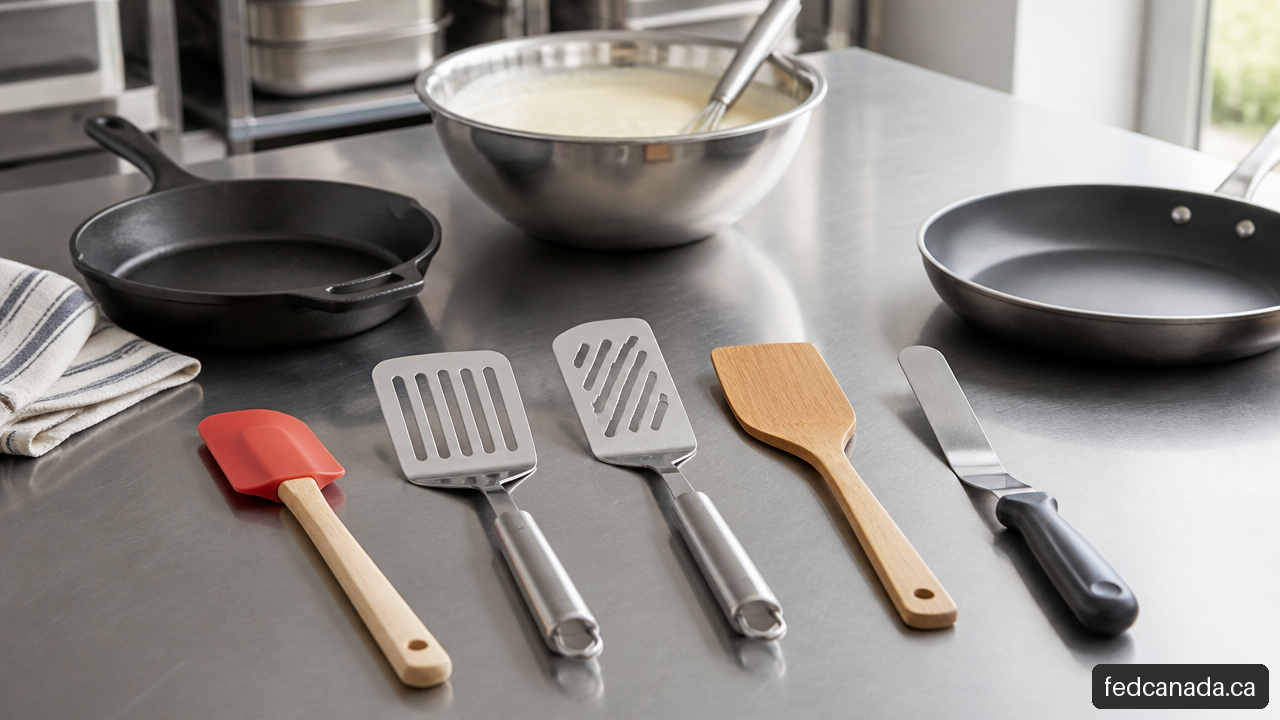
Spatula Guide: Choose the Right Tool for Every Task
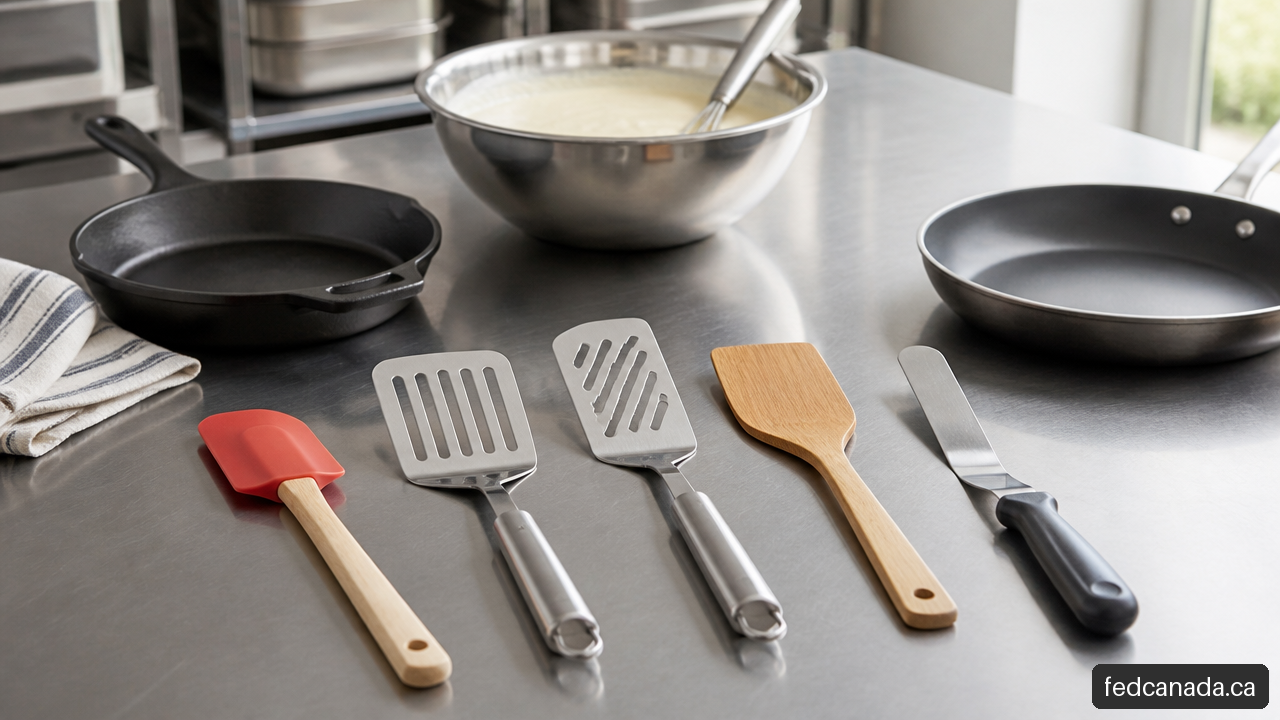
A spatula is one of the most useful kitchen utensils, but the name covers several very different tools. A flexible silicone scraper, a thin stainless steel fish turner, and an offset icing spatula may all be called spatulas, yet each solves a different problem. I recommend choosing by task first, then by cookware surface, heat exposure, and construction.
Table of Contents
- Start With the Spatula’s Job
- Choose Materials for the Pan and Food
- Understand Heat, Construction, and Care
- Key Takeaways
- Frequently Asked Questions
- Sources
Start With the Spatula’s Job
Before comparing silicone, wood, nylon, or stainless steel, decide what the utensil needs to do. The word can describe a broad family of tools used for turning food, scraping bowls, spreading frosting, lifting baked goods, and mixing ingredients. The Government of Québec’s definition of the French culinary term spatule includes scraping, lifting, mixing, and spreading icing, and notes that these tools can be made from materials including wood, rubber, plastic, silicone, and metal.
That broad definition matters in Canadian kitchens, particularly where spatule may refer to a scraper, turner, or icing tool. Calling every flat kitchen utensil a spatula is normal. Buying one without identifying its primary job is where frustration begins.
Turners: Built to Lift and Flip
A turner is the spatula used to slide under food and flip it. Its blade needs enough stiffness to carry the food’s weight, plus an edge thin enough to get beneath it without tearing it apart.
For a pancake, a burger, or a grilled cheese sandwich, use a blade that is wide enough to support the middle of the food. A too narrow turner lets the item bend or slide off during the flip. A solid blade is usually the safer choice for soft foods that could crack or lose pieces. A slotted blade is useful when excess butter, oil, or cooking liquid should drain away before the food reaches a plate.
The practical distinctions between solid, slotted, perforated, and baking spatulas are straightforward: solid blades provide more support, slotted blades drain liquid, perforated styles are especially useful around grills and grease, and baking spatulas are intended for mixing, scraping, and spreading rather than flipping.
Scraper Spatulas: Built to Reach the Last Spoonful
A scraper spatula is the flexible tool used to sweep batter from a bowl, fold whipped ingredients, or clean sauce from the edge of a pan. Its purpose is contact, not leverage. The blade should bend enough to follow the curve of a mixing bowl and return to shape when pressure is released.
Silicone scrapers are common because they can conform to curved surfaces without gouging them. A square corner helps clear the bottom edge of a container. A rounded corner works well for bowls. A narrow jar scraper can reach into condiment containers, blender jars, and tall measuring cups.
This is also where a common mismatch occurs. A flexible scraper may be excellent for brownie batter but poor for a burger stuck to a hot skillet. It can flex under resistance instead of getting underneath the food. For that job, use a turner with a thinner, firmer leading edge.
Icing and Offset Spatulas: Built to Spread
An icing spatula has a long, narrow blade designed to spread frosting, fillings, glazes, or soft toppings. Offset versions place the blade below the handle, giving your knuckles more clearance from the cake surface.
Use an icing spatula when smoothness matters. It is not designed for high heat or for lifting heavy foods from cookware. Even a sturdy metal icing spatula is shaped for spreading across a flat surface, not prying under a seared steak or scraping a grill.
Edge Geometry Changes the Result
The blade’s shape affects how well a spatula handles food. This detail is easy to overlook.
| Blade feature | Best use | Why it helps | Avoid when |
|---|---|---|---|
| Thin, flexible edge | Eggs, fish, crepes | Slides under delicate food with less force | Lifting thick burgers or heavy casseroles |
| Wide solid blade | Pancakes, burgers, sandwiches | Supports food across a larger area | Draining oil is important |
| Slotted blade | Fried foods, sautéed vegetables | Lets liquid drain before serving | Food is fragile and needs full support |
| Perforated blade | Grilling, greasy foods | Releases grease while retaining strength | Very small foods may slip through openings |
| Rounded silicone scraper | Batter, sauces, bowl scraping | Follows curved surfaces closely | Flipping food under resistance |
A good rule is simple: the more resistance a food creates, the more stiffness the blade needs. A fried egg needs a thin edge. A loaded burger needs a wide, rigid platform. Thick cookie dough needs a scraper that bends around the bowl rather than a turner that leaves streaks behind.
Choose Materials for the Pan and Food
Material determines more than appearance. It affects flexibility, heat tolerance, cleaning, cookware compatibility, and the amount of force you can apply without bending or damaging the tool.
Silicone: Best for Scraping and Non Stick Surfaces
For most non-stick cookware, a food grade silicone spatula or turner is a sensible starting point. Silicone is softer than metal and is less likely to scratch a coated cooking surface. It is especially useful for eggs, omelets, sauces, batter, and foods that benefit from gentle handling.
Still, silicone is not automatically the best choice for every pan task. A very flexible silicone turner can struggle to release a burger that has developed a strong crust. It may also be too thick to slide neatly beneath a delicate fish fillet. In those cases, a thin metal turner may work better if the cookware surface can safely accept it.
Do not treat a generic claim such as “non toxic” as proof of product safety or performance. Material names alone do not verify manufacturing controls, food contact compliance, temperature limits, or durability. For a specific product, the manufacturer’s food contact documentation, care directions, and temperature rating are more meaningful than broad marketing language.
Stainless Steel: Best for Rigidity and High Heat
A stainless steel spatula is often the right tool for cast iron, carbon steel, flat tops, grills, and uncoated stainless steel pans. The rigid blade can scrape beneath browned food, lift heavier portions, and tolerate the force needed for smashing burgers or turning thick cuts of meat.
Metal is not gentle, though. Avoid using a metal edge on non-stick cookware unless the cookware maker explicitly says it is acceptable. Even then, a lighter touch is wise. The risk is not only a dramatic gouge. Repeated small scrapes can gradually wear a coating.
For seasoned cast iron and carbon steel, a metal turner can be useful rather than harmful. It can help release food and loosen browned bits, although aggressive scraping may disturb weak or newly applied seasoning. If a pan’s seasoning is fragile, reduce force and use enough cooking fat while the surface develops.
Nylon and Wood: Useful, With Clear Limits
Nylon turners are often inexpensive, lightweight, and suitable for lower to moderate heat cooking. They can be a reasonable choice for non-stick pans, but nylon may soften or warp when exposed to intense heat. Avoid resting one against a hot pan wall, leaving it in a skillet, or using it beside an open flame.
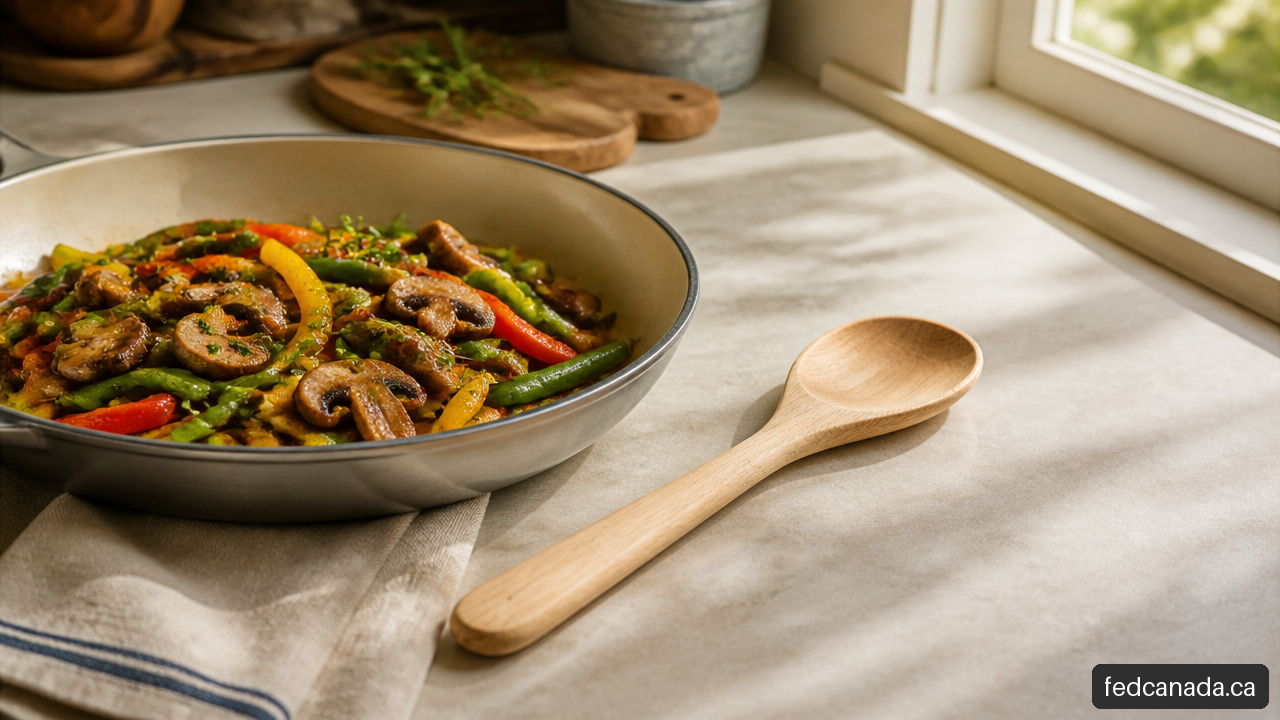
Wooden spatulas and spoons remain practical for stirring, folding, and general pan cooking. They are comfortable to hold and generally gentle on cookware. Their weak points are moisture and prolonged heat. Wood can split after repeated soaking and may char if left against a hot pan or burner.
| Material | Choose it for | Main advantage | Main caution |
|---|---|---|---|
| Silicone | Bowl scraping, non-stick pans, soft foods | Flexible and surface friendly | May be too flexible for heavy lifting |
| Stainless steel | Cast iron, carbon steel, grills, firm foods | Thin, rigid, and durable | Can scratch non-stick surfaces |
| Nylon | Lower heat non-stick cooking | Lightweight and affordable | Can soften or warp under high heat |
| Wood | Stirring, folding, everyday cooking | Gentle and comfortable | Can split, stain, or char over time |
Match the Tool to the Cooking Surface
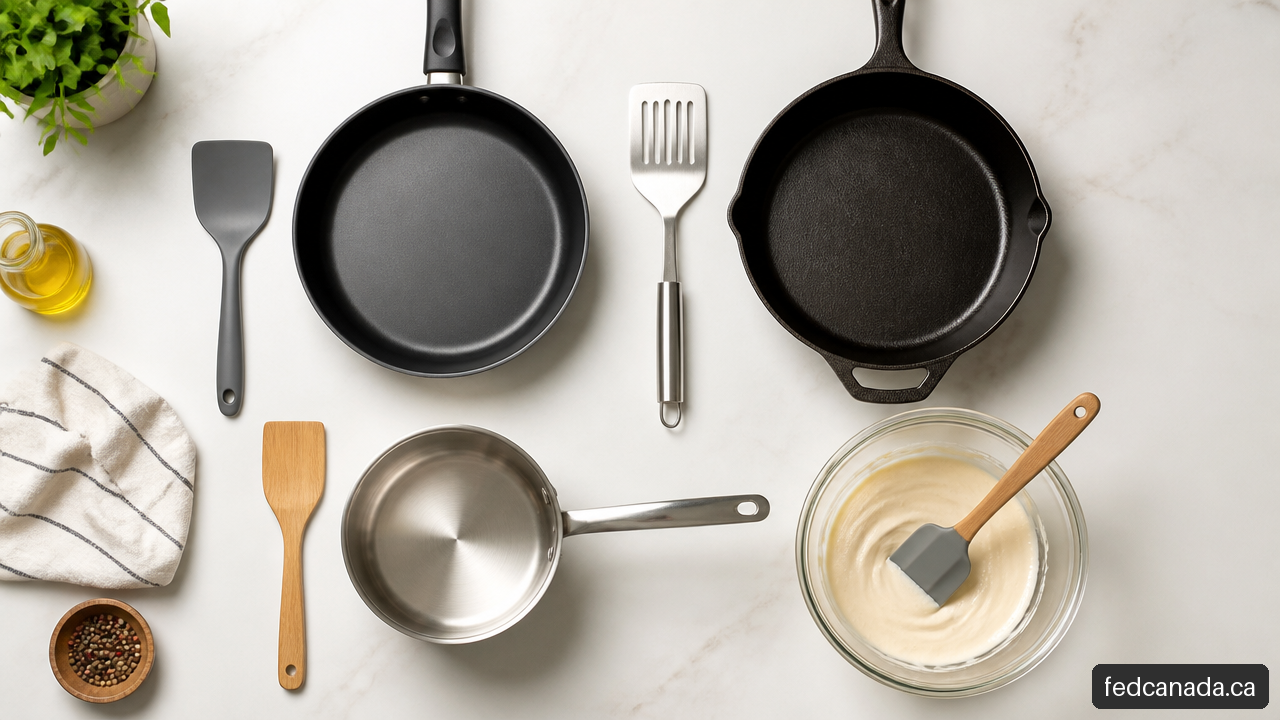
I recommend making the cookware surface the second decision after function.
- Non-stick cookware: Choose silicone, wood, or a nylon tool rated for the cooking temperature. Avoid metal edges unless the pan manufacturer specifically permits them.
- Stainless steel cookware: Use silicone for gentle foods and a stainless steel turner when you need a thin, rigid edge to release browning.
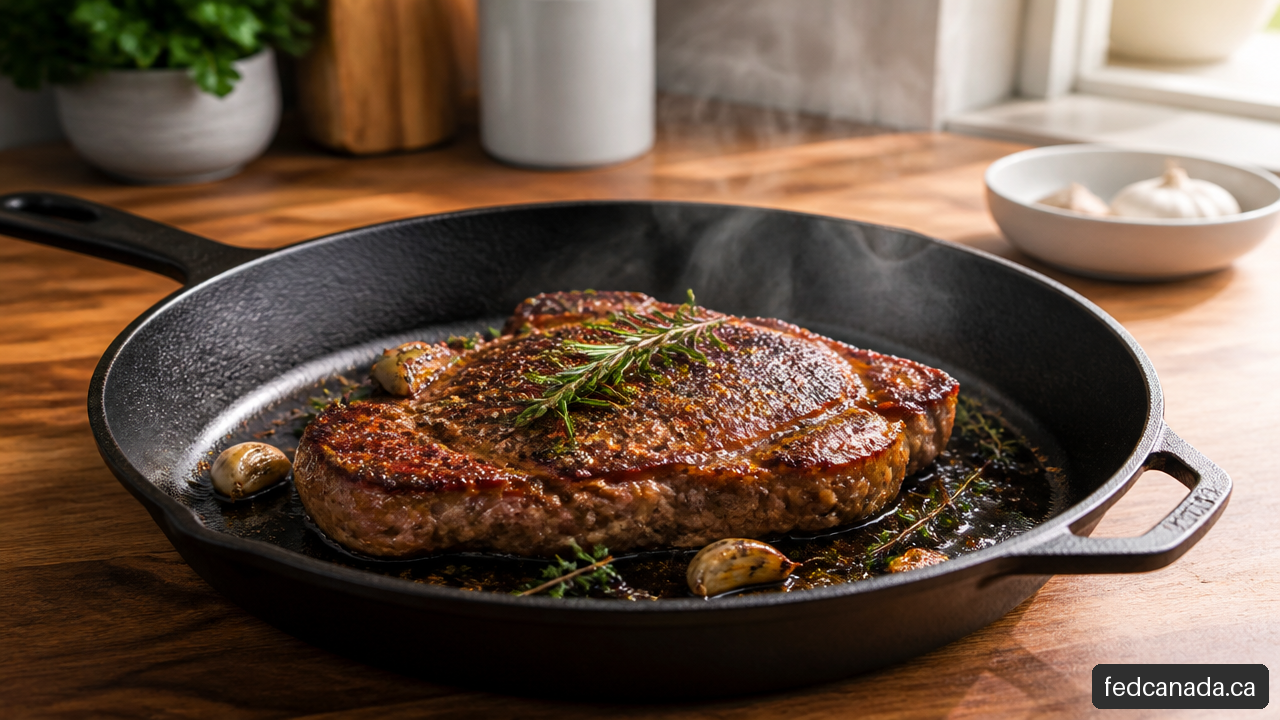
- Cast iron and carbon steel: Use a rigid metal turner for burgers, hash browns, steaks, and foods that need firm scraping. Silicone remains useful for softer dishes.
- Glass, ceramic, and baking dishes: Use silicone or nylon for serving and scraping. Metal can be useful for lifting baked goods when the dish and its coating can tolerate it, but caution is sensible around glazed surfaces.
- Outdoor grills and flat tops: Use a long handled stainless steel turner sized for the food. Perforations or slots help manage grease.
Understand Heat, Construction, and Care
A spatula’s stated heat rating is useful, but it is not a promise that every part of the utensil can survive every cooking situation. Heat exposure has a pattern: brief contact is different from resting on a skillet rim, and pan contact is different from direct burner contact.
Read Heat Ratings as Operating Limits
The phrase “heat proof” can be misleading. Heat resistance depends on material, temperature, and exposure time, rather than on the label alone. A utensil may survive a quick pass through a hot pan but deform if left with its blade pressed against the sidewall for several minutes.
Think about where heat enters the tool. A blade touching food is not experiencing the same stress as a blade pinned against bare metal. A utensil resting in a pan can receive continuous heat through a small contact point. That concentrated contact is why a tool may warp, discolor, or soften even when the pan is not above the headline number printed on its packaging.
Use these habits:
- Keep the blade moving during cooking rather than leaving it in the pan.
- Do not rest the utensil on the rim of a skillet, grill, or pot.
- Keep plastic and nylon tools away from direct flames, broiler elements, and burner grates.
- Replace a spatula that has warped, cracked, developed a loose head, or has a sticky or softened surface.
Inspect the Whole Spatula, Not Just the Blade
A listed temperature rating may apply to the blade, not necessarily the handle, adhesive, internal core, or joint. Product heat ratings can apply to only part of a spatula, so material choice should account for the full construction and the cookware surface.
A one piece silicone scraper can be easier to clean because it has no detachable head joint where food can collect. That does not make every one piece model stronger. Some have an internal rigid core for support, and the core’s placement can affect flexibility. A multi part spatula may offer a replaceable head or a more rigid handle, but inspect the connection regularly for looseness, cracks, or trapped residue.
Fair warning: there is no universal rule that one piece is always better. A one piece scraper is often convenient for batter and sauce. A well built two piece turner may be better when you need a thin, rigid blade and a heat insulated handle.
Clean, Dry, and Store for Longer Service
Cleaning is not just about appearance. Batter, oil, and food particles left in seams can create odor, discoloration, and sanitation problems.
- Wash the utensil promptly after use, especially after eggs, dairy, sugary sauces, or raw protein.
- Check joints, handle openings, and blade edges for food residue before drying.
- Dry wood thoroughly and do not leave it soaking in water.
- Store turners flat or upright so thin blades are not bent under heavy cookware.
- Inspect silicone for tears, separation around an internal core, and unusually tacky surfaces.
One useful real world warning comes from a Reddit r/Cooking discussion where users described plastic spatulas melting on hot pans and questioned whether those utensils were actually intended for direct cooking heat. The discussion does not establish universal failure temperatures, but it does highlight a practical point: a batter scraper and a cooking turner are not interchangeable simply because both have a flat edge.
Key Takeaways
Make the First Choice by Function
A turner flips food, a scraper clears bowls and pans, and an icing spatula spreads toppings. Start there. Material selection comes after you know the job.
Treat Heat as More Than a Number
Heat ratings are product specific. Consider the full utensil, how long it will touch heat, and whether it could contact a pan wall, burner, grill grate, or broiler area.
Use Stiffness as a Food Handling Tool
Choose flexibility for batter, sauces, and non-stick cooking. Choose a thin, rigid blade for browned, heavy, or resistant foods. The right edge reduces tearing, sticking, and awkward flips.
Frequently Asked Questions
What is a spatula used for?
A spatula can scrape, mix, spread, lift, or turn food. The exact use depends on its shape. Flexible silicone spatulas are commonly used for scraping batter and sauces, while turners are designed to lift and flip food in a pan or on a grill.
What is the difference between a spatula and a turner?
A turner is a type of spatula designed specifically for sliding under food and flipping it. In everyday North American use, people often call a turner a spatula. A scraper spatula is usually more flexible and is intended for bowls, batter, and sauces rather than flipping.
Which spatula is safest for non-stick cookware?
Silicone is usually the most versatile choice for non-stick cookware because it is less likely to scratch the coating. Wood and heat suitable nylon can also work. Avoid metal turners unless the pan manufacturer says metal utensils are permitted.
Is silicone better than metal for cooking?
Neither is better for every task. Silicone is better for scraping bowls, folding batter, and protecting non-stick pans. Stainless steel is better for high heat, cast iron, carbon steel, grills, and foods that need a thin, firm lifting edge.
Can a metal spatula be used on cast iron?
Yes. A stainless steel turner is often useful on cast iron because it can slide under browned food and handle high heat. Use controlled pressure if the seasoning is new or fragile, since aggressive scraping can disturb weak seasoning.
What type of spatula is best for flipping eggs?
Use a thin, flexible turner with a blade wide enough to support the egg. Silicone is a good choice for non-stick pans. A thin metal fish turner can work well on cast iron, carbon steel, or stainless steel when the pan surface is appropriate.
Why did my spatula melt or warp?
The utensil may have been exposed to more heat than its material or construction could handle. Common causes include resting it against a hot skillet wall, leaving it in a pan, contact with a burner or grill grate, or using a lower heat scraper as a cooking utensil.
Does a spatula’s heat rating apply to the handle?
Not always. Check the manufacturer’s product information to see whether the rating applies to the blade, handle, or entire utensil. A silicone blade may tolerate more heat than an attached handle, adhesive, or internal component.
Sources
- Government of Québec, “spatule” — Vitrine linguistique: https://vitrinelinguistique.oqlf.gouv.qc.ca/fiche-gdt/fiche/26529053/spatule
- Wayfair Canada, “Types of Spatulas for Every Occasion”: https://www.wayfair.ca/sca/ideas-and-advice/guides/types-of-spatulas-for-every-occasion-T22040
- FlavorFuture, “Heat Proof Spatula: How It Works and Choosing Right”: https://flavorfuture.com/heat-proof-spatula/
- FlavorFuture, “Heat Proof Spatula: The Most Common Mistakes to Avoid”: https://flavorfuture.com/heat-proof-spatula-5/
- Reddit, r/Cooking, “My spatulas are all melting on my pan”: https://www.reddit.com/r/Cooking/comments/1vy6x29/my_spatulas_are_all_melting_on_my_pan/
Recent Posts
Leave a Comment
Your email address will not be published. Required fields are marked *