




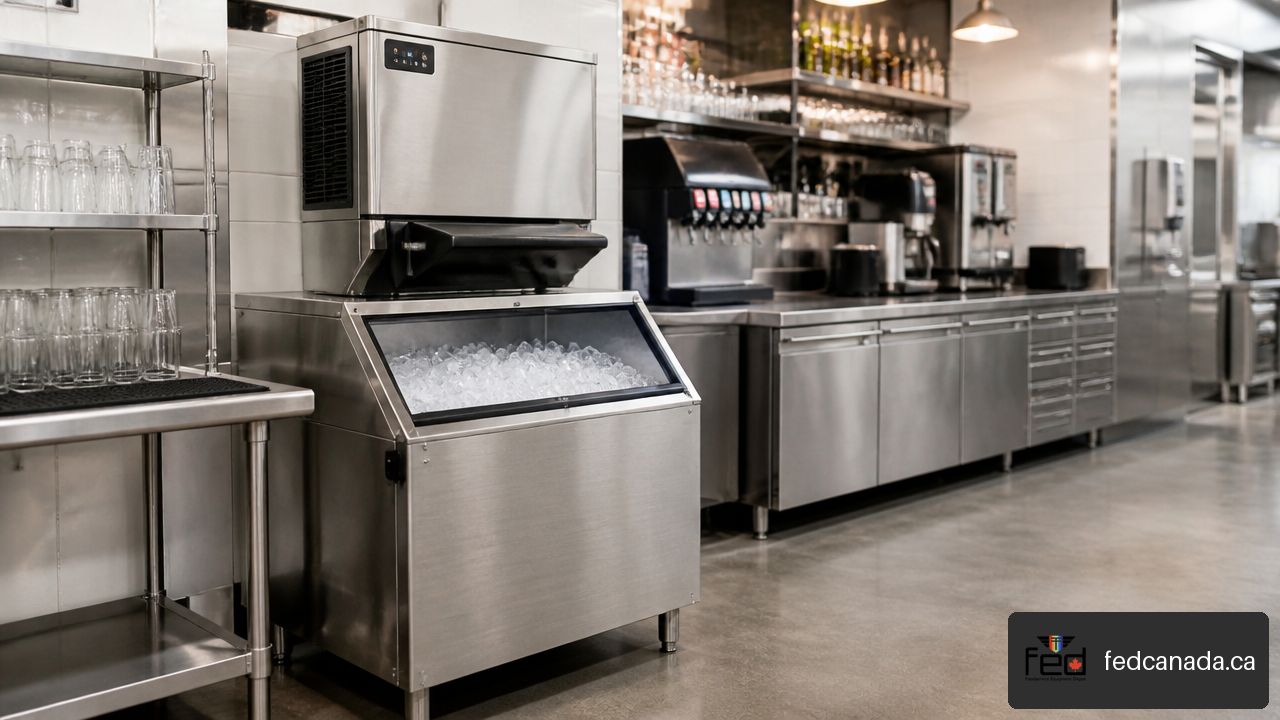
Ice-O-Matic Ice Machines: Settings, Troubleshooting and Buying Guide
Ice-O-Matic Ice Machines: Settings, Troubleshooting and Buying Guide starts with one rule that prevents a surprising number of mistakes: identify the exact model and control design before changing a setting or ordering a part. Cube machines, undercounter units and nugget machines can use very different controls, sensors and bin systems.
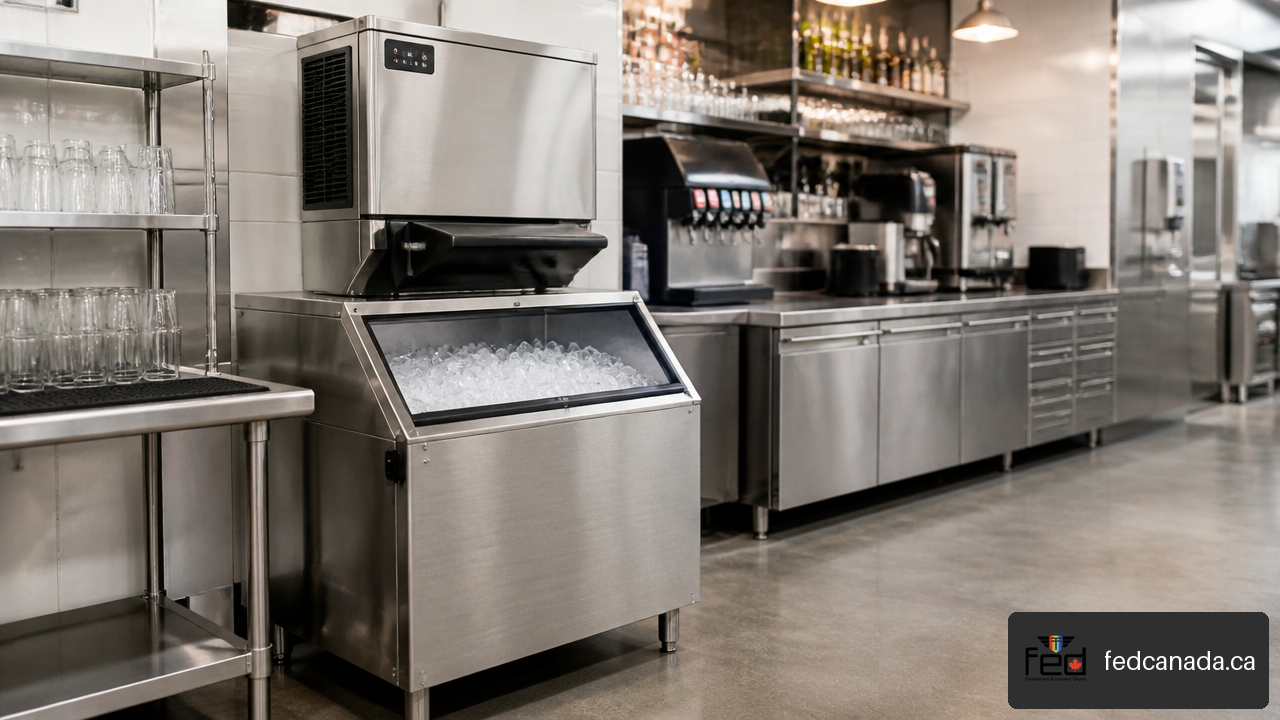
A machine that runs but makes thin cubes needs a different response than one that makes ice but will not harvest. The same is true when a bin appears full, a water trough will not fill, or a high pressure safety stops production. I recommend treating each symptom as a sequence of observable checks, rather than replacing components by guesswork.
Table of Contents
- Key Takeaways
- Identify Your Machine and Set It Correctly
- Troubleshoot Ice Production Without Guesswork
- Buying an Ice-O-Matic Machine for Your Operation
- FAQ
- Sources and References
Key Takeaways
Start with the data plate. Record the full model and serial number, cube type, voltage, condenser style and control configuration before adjusting anything.
Ice bridge thickness is a useful diagnostic clue. Uneven, hollow or incomplete cubes often point first to water distribution, scale or flow issues rather than a sealed refrigeration fault.
Timer numbers are not universal. On applicable ICE Series controls, Ice-O-Matic lists different initial settings for half cube and full cube configurations.
Resetting power can restore a stopped machine, but it does not correct the airflow, water, sensor or high pressure condition that caused the shutdown.
Buy capacity for the busiest service period, not the average day. Production rating, bin storage, room conditions, water quality and service access all affect the real result.
Identify Your Machine and Set It Correctly
Start with the model, serial number and control architecture
The machine data plate is the first diagnostic tool. It tells you which service documentation applies and helps prevent a common error: using advice for an ICE Series cuber on an undercounter model or an auger driven nugget machine.
Write down these details before servicing or calling for support:
Full model number and serial number
Ice format, such as full cube, half cube or nugget
Air cooled or water cooled condenser configuration
Electrical rating and plug or hardwired connection
Current symptom, including when it began and whether it is intermittent
Recent cleaning, filter replacement, plumbing work or changes in room temperature
This matters because not every Ice-O-Matic machine uses the same bin logic. A field discussion covering ICEU150, 220, 225 and 226 units notes that these models use a thermostatic bin control rather than a splash curtain or mechanical bin switch. That distinction is worth checking before searching for a missing part or testing the wrong circuit: the discussion of thermostatic bin control on ICEU units is a useful reminder that control layouts vary by model.
Understand the settings that affect production
On applicable cube machines, the freeze timer influences how long water freezes on the evaporator before harvest. That changes the ice bridge, the connecting thickness of ice that allows cubes to release together. Too little bridge can create thin, fragile cubes. Too much can delay harvest, create oversized slabs or cause cubes to hang on the evaporator.
Ice-O-Matic’s ICE Series service documentation lists initial timer settings of 64 and 128 for half cube configurations and 128 and 256 for full cube configurations. Those values apply only where the relevant control and cube configuration match the manual. They are a starting point, not a universal prescription for every model.
Before changing a timer, inspect what the ice pattern is telling you:
| Ice appearance | More likely first check | Why it matters |
|---|---|---|
| Thin ice across the full evaporator | Bridge setting, water level, freeze duration | The machine may be ending freeze too early or receiving insufficient water |
| Thick ice across the full evaporator | Timer or thickness control, harvest operation | Excess freeze time can make release difficult |
| Thin or missing ice in specific areas | Manifold, water tubes, scale, trough circulation | Uneven water coverage creates a localized pattern |
| Hollow or irregular cubes | Water flow, distribution, filtration and scale | The water film may not be reaching the evaporator consistently |
Machine level also affects water distribution and harvest behavior. Ice-O-Matic’s ICE Series manual specifies leveling within 1/8 inch in all directions. That is not cosmetic. A machine that leans can retain or misdirect water, affecting the trough level and the pattern that forms on the evaporator.
Adjust cautiously and document the result
I recommend changing one variable at a time. Make a small approved adjustment for the exact model, allow multiple complete cycles, then inspect the ice bridge and harvest. Changing timer settings, water controls and sensor positions together makes it difficult to tell what solved the problem.
Fair warning: a timer adjustment cannot repair poor water distribution. If only one side of the evaporator forms normal ice, extending freeze time can make the good side excessively thick while the restricted side remains incomplete.
Water cooled units add another model specific consideration: the water regulating valve controls condenser water flow and affects operating stability. Do not treat it as a general adjustment for air cooled machines.
Troubleshoot Ice Production Without Guesswork
Follow the symptom from safe checks to technical tests
When an Ice-O-Matic machine stops producing, begin with operator safe observations. Confirm power is present, the selector is in the correct position, the water supply is on, the filter is not restricted, the bin is not legitimately full and the condenser air path is unobstructed.
Then work through this sequence:
Identify the operating state: off, filling, freezing, harvesting, bin full or locked out.
Observe the water system: does the trough fill, does water circulate and does it cover the evaporator evenly?
Inspect the ice pattern before changing controls.
Clean and sanitize as required if scale, slime or debris is visible.
Check model specific sensors, switches and control positions using the correct service manual.
Escalate live electrical, pressure and refrigerant charge tests to a qualified technician.
A technician discussion on control circuit diagnosis specifically emphasizes using the wiring diagram, contactor circuit, selector switch and model specific service documentation: this troubleshooting thread on wiring and control circuits supports the same practical approach. A wiring diagram is not optional when diagnosing a control circuit; wire colours and component locations can differ across models.
Use ice patterns to separate water faults from refrigeration faults
A water issue can look like a refrigeration issue from a distance. The difference is usually visible on the evaporator.
If ice forms evenly but remains too thin everywhere, the cause may involve freeze duration, water level, ambient conditions or refrigeration performance. If one section freezes normally while another remains thin, look first at the water path. Inspect the filter, trough, pump, distribution manifold, pickup tubing and drip tubes. Scale can narrow passages enough to starve part of the evaporator while the machine still appears to be circulating water.
A reported field case described scale blockage in the manifold, pickup tube and drip tube: the reported scale blockage in Ice-O-Matic water distribution components illustrates why a complete water path inspection is more useful than checking only the inlet supply.
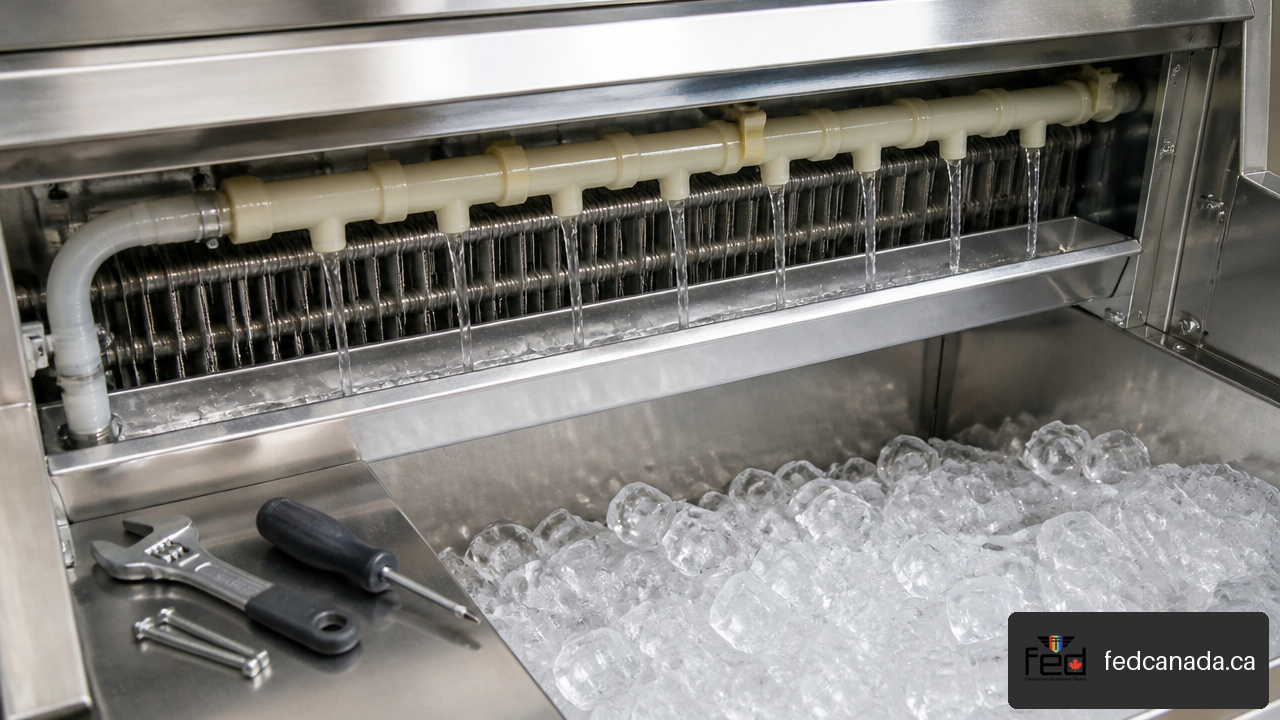
Clean components according to the applicable manual and use approved cleaner and sanitizer. Do not force sharp tools into small passages, because damaged distribution holes can create a new uneven flow problem. If heavy scale returns quickly after cleaning, review filtration and incoming water conditions rather than simply shortening the time between service calls.
Diagnose harvest failures and shutdowns carefully
When ice forms but will not release, first verify that the bridge is not too thick and that the correct harvest sequence begins. Check for a dirty or misplaced thickness related control only if the model uses that design. Then look at environmental conditions.
Low room temperature can complicate harvest because lower ambient conditions may reduce head pressure and leave less heat available for release. A technician discussion links low ambient conditions with difficult harvest and also notes possible sensor, valve and water level causes: the technician discussion of low ambient harvest constraints is best read as a diagnostic caution, not a universal specification.
For example, a machine in a cool seasonal storage area may struggle to harvest during quiet winter months but operate normally when the room warms. Replacing a valve before confirming ambient conditions, airflow and model specific controls can add cost without fixing the cause.
A high pressure shutdown requires similar restraint. An air cooled machine may have a blocked condenser, failed fan, restricted clearance or excessive room temperature. A water cooled machine may involve condenser water flow or its regulating valve. A reset may temporarily restart the unit, but recurring shutdown means the safety control is doing its job. Pressure readings, refrigerant charge, voltage measurements and live control circuit tests belong with qualified refrigeration service personnel.
Buying an Ice-O-Matic Machine for Your Operation
Match the ice form to the way guests use it
Choose ice based on the product you serve, not only on the rated production number.
| Operation need | Usually suitable ice direction | What to consider |
|---|---|---|
| Bar drinks and quick service beverages | Full cube or half cube | Match cube size to glassware, dispensing speed and beverage program |
| Café, restaurant or hotel beverage station | Cube ice with adequate bin storage | Plan for concentrated meal and event peaks |
| Convenience beverages and healthcare style applications | Nugget ice where appropriate | Confirm that the operation benefits from chewable, easily packed ice |
| Catering or remote service | Production plus separate storage planning | Account for transport, peak draw and time away from the machine |
Nugget machines are not simply cube machines with a different output shape. Their auger based production system has different mechanical components and service considerations. If the operation needs nugget ice, select a machine and service plan designed for that category rather than trying to compare it only by daily pound rating.
Size production and storage for the peak, not the average
A machine’s published production rating is generally based on stated test conditions. Real output can fall when the kitchen is hotter, incoming water is warmer, airflow is poor or the condenser is dirty. That is why I recommend calculating the busiest continuous period first.
Consider a lunch focused café that sells a modest number of drinks over a full day but experiences a sharp 90 minute rush. A machine sized only for total daily use may not replenish the bin quickly enough before the next order. In that case, a larger compatible bin or more production capacity can be more valuable than a lower initial purchase price.
Use this buying checklist:
Estimate daily ice use and the highest hourly draw.
Confirm bin capacity and whether the head and bin are compatible.
Measure installation space, door clearances and ventilation clearance.
Verify electrical supply, water connection, drain route and floor conditions.
Choose air cooled or water cooled equipment based on site utilities, heat load and local operating realities.
Confirm local parts availability and qualified service access before purchase.
Compare ownership cost, not just purchase price
Energy efficiency matters, but a label or performance claim should be evaluated for the exact model under consideration. Compare the manufacturer’s current specifications, electrical requirements, condenser configuration and published energy information rather than assuming one series performs the same as another.
Water quality is also an ownership cost variable. Hard or sediment heavy water can increase scale accumulation, restrict a filter and reduce water distribution. A cheaper machine without a filtration and maintenance plan may become the expensive choice if production drops during service.
Repair versus replacement is not a single age rule. I would weigh these factors together:
Whether the fault is isolated and the part is readily available
Whether repeated scale, leak or sanitation issues are interrupting service
Whether current capacity still matches demand
Whether the machine’s utility requirements fit the site
The cost of downtime during your busiest season
If an older unit needs one straightforward control or pump repair and is otherwise clean, properly sized and supported, repair may be sensible. If it has repeated production losses, unavailable parts, sanitation concerns and insufficient capacity, replacement may reduce operational risk even when the immediate repair quote is lower.
FAQ
Which Ice-O-Matic machine is right for a restaurant, bar or hotel?
Choose based on ice type, peak demand, storage needs, installation utilities and service access. Bars often prioritize cube format and fast recovery, while hotels may need larger storage for banquet peaks. A nugget machine makes sense only where that ice texture supports the menu or guest experience.
How do I adjust cube or ice bridge thickness?
Verify the exact model and control first. On applicable ICE Series machines, the freeze timer can be adjusted through its switch settings to achieve the required bridge thickness. Make one small model approved change, allow several cycles and inspect the ice pattern before making another adjustment.
Why is my machine running but not making ice?
Start with water fill, trough level, pump circulation and even distribution across the evaporator. If water flow looks normal, inspect the observed cycle state and model specific controls. Refrigeration pressure, charge and electrical tests should be performed by a qualified technician.
Why does the machine make ice but fail to harvest?
Check for an overly thick bridge, incorrect timer or thickness related setting, dirty sensors where applicable and unsuitable ambient conditions. Cool room conditions can make harvest more difficult on some systems, so do not assume a valve or sensor has failed without confirming the whole operating condition.
What should I do if the water trough does not fill?
Confirm the water supply valve is open, the filter is not blocked and the inlet path is clear. Then inspect the trough position, water level components and dump valve operation using the correct model manual. Stop before live electrical testing unless qualified to perform it.
Can I safely reset an Ice-O-Matic ice machine?
A normal power cycle may be reasonable after checking for obvious issues such as a full bin or interrupted water supply. If the machine repeatedly stops, do not keep resetting it. Record the symptoms and arrange service, because repeated resets can hide a high pressure, control or water system problem.
How often should an Ice-O-Matic machine be cleaned?
Follow the model specific manual and adapt the schedule to local water quality, visible scale and operating volume. There is no single verified interval suitable for every installation. For example, an operation with hard water may require more frequent water path attention than a similar machine supplied by well filtered water.
Sources and References
Reddit r/refrigeration — Ice O Matic troubleshooting: https://www.reddit.com/r/refrigeration/comments/1t1nrl3/ice_o_matic_troubleshooting/
Reddit r/HVAC — Ice O Matic ice machine: https://www.reddit.com/r/HVAC/comments/1o6w24e/ice_o_matic_ice_machine/
Reddit r/refrigeration — ICE-O-MATIC: https://www.reddit.com/r/refrigeration/comments/1di6hij/iceomatic/
Reddit r/refrigeration — Ice-O-Matic 220: https://www.reddit.com/r/refrigeration/comments/1m35ss6/ice_o_matic_220/
Recent Posts


Leave a Comment
Your email address will not be published. Required fields are marked *