




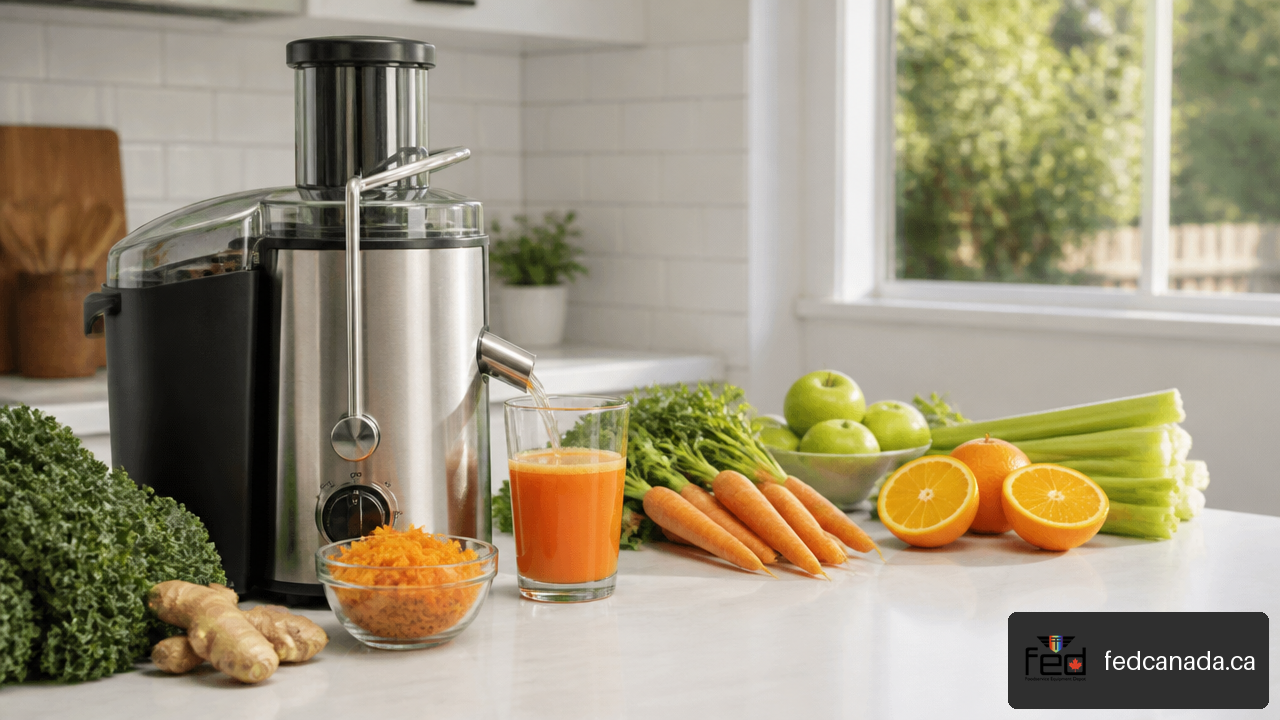
Machine Juicer Guide: Types, Yield, Cleaning, and Buying Tips
A machine juicer separates liquid from the pulp in fruits and vegetables, making it useful when you want a smoother drink than a blender produces. The right choice depends less on a broad “best juicer” label and more on what you plan to juice, how often you will use it, and whether you will clean it immediately after each batch.
Table of Contents
Choose a Machine Juicer by Ingredients and Workflow
A juicer is not a blender with a different name. A blender keeps the fiber and liquid together, while a juice extractor separates much of the liquid from the solid pulp. That difference affects texture, volume, cleanup, and how much produce you need for each glass.
The core buying decision is mechanical: centrifugal machines cut and spin rapidly, while masticating machines crush and press produce with an auger. Canadian product listings commonly group these as centrifugal, masticating, and cold press options, with “cold press” generally used as consumer terminology for slow juicers rather than a standardized performance rating. Best Buy Canada’s juicer category overview also shows that commercial models may advertise throughput figures, but those numbers should be treated as equipment specifications rather than proof of real kitchen output.
Match the mechanism to what you juice
| Produce or use case | Strong starting option | Why it fits | When to avoid it |
|---|---|---|---|
| Apples, carrots, beets, cucumbers | Centrifugal juicer | Fast feeding and quick processing for firm produce | Avoid if leafy greens are a major part of every batch |
| Kale, spinach, parsley, celery, wheatgrass | Masticating or cold press juicer | The auger can crush and press fibrous ingredients more gradually | Avoid if you need several quick batches with minimal waiting |
| Oranges, lemons, limes, grapefruit | Citrus juicer | Simple, purpose built extraction from halved citrus | Avoid if you also want carrot, ginger, or leafy green juice |
| Soft fruit, mixed produce, ginger | Masticating juicer | Usually better suited to controlled feeding and mixed textures | Avoid if speed matters more than maximum extraction from every ingredient |
| Smoothies, soups, sauces, whole food drinks | Blender, not a juicer | Retains pulp and dietary fiber | Avoid if you specifically want separated juice |
A centrifugal juicer uses a high speed cutting disc and spinning filter basket. Firm produce is shredded, and centrifugal force pushes liquid through the screen while pulp moves into a separate container. It is often the practical choice for someone who wants carrot apple juice before work and values speed over a slower extraction process.
A masticating juicer uses an auger to break down ingredients and press liquid through a screen. The feed process is usually slower, but the controlled action can be useful for leafy greens and fibrous celery. Hamilton Beach positions slow juicers as suitable for leafy greens, while its broader juicer range includes models with large feed chutes, dishwasher safe components, and high powered juice extractors. Hamilton Beach Canada’s juicer information is a useful reminder that feature claims vary by individual model, not just by juicer category.
Do not let wattage make the decision for you
A higher wattage number can indicate that a motor has more power available, but it does not automatically mean better yield. Juice yield depends on several interacting factors:
The ingredient’s water content and ripeness
The size and sharpness of the cutting system or condition of the auger
Screen design and how quickly pulp is cleared
Feed rate, especially whether produce is forced through too quickly
The amount of liquid left in the expelled pulp
How consistently produce is cut and prepared
Consider two people juicing the same carrots. One feeds slim, trimmed pieces steadily; the other pushes large chunks rapidly into the chute. Even with the same machine, the second user may see wetter pulp, more strain on the motor, and a higher chance of clogging. A motor specification cannot account for that workflow difference.
Large feed chutes reduce chopping, not all preparation
A wide chute can make juicing more convenient, especially for apples, peeled oranges, and large cucumber sections. It does not mean you can skip food preparation altogether. Produce should still be washed, bruised areas should be removed, and pits, hard seeds, tough rinds, and nonfood portions need attention.
A whole apple may fit through a chute. That does not make the core, sticker, damaged skin, or an unwashed surface suitable for the machine.
For predictable extraction, I recommend treating a large chute as a time saver, not as permission to feed every ingredient whole. Pineapple needs rind removal. Mangoes and stone fruit need pits removed. Celery often benefits from shorter pieces to limit long fibers wrapping around the auger. Citrus peel can contribute bitterness, so most recipes work better with peeled fruit unless the machine instructions specifically say otherwise.
Judge Yield, Preparation, and Cleanup Realistically
The machine you enjoy using is usually the one that fits your complete routine. That includes shopping, washing, trimming, juicing, rinsing, drying, and putting parts away. A machine that extracts efficiently but takes too long to clean may sit unused.
Compare yield with a repeatable method
Retailer listings often use phrases such as “maximum extraction,” “more juice,” or “better flavor.” These claims can be helpful starting points, but there is no broadly available Canadian independent testing standard that lets shoppers compare yield, noise, nutrient retention, and cleanup across every model under identical conditions.
If you are comparing machines, use a simple at home method rather than relying only on marketing language:
Weigh the same amount of washed produce for each trial.
Prepare it in the same way, such as quartered apples or equal length celery pieces.
Weigh the finished juice, excluding foam if that is how you normally drink it.
Check the expelled pulp by hand for obvious wetness.
Record total time, including cleanup.
The useful measure is not merely “ounces of juice.” It is juice obtained per amount of produce and per minute of active work. A slow juicer may produce more from greens, but a centrifugal machine may still be the better household fit if you only juice twice a week and want a glass ready quickly.
Understand foam, separation, and wet pulp
Foam is usually air incorporated during extraction. It can be more noticeable with rapidly spinning machines and juicy produce. It is not automatically a sign that the juicer is malfunctioning. Letting juice stand briefly, pouring through a fine strainer if preferred, or using a lower speed when available can make the drink less foamy.
Separation is also normal. Juice contains water, dissolved sugars, fine particles, and tiny amounts of pulp that settle at different rates. Stir or shake it before drinking. If the juice smells off, tastes fermented, or has been stored improperly, do not rely on shaking to make it safe.
Wet pulp can point to several issues:
Produce was fed too quickly
The screen is partially blocked
The machine is not ideal for that ingredient
Soft fruit overwhelmed the extraction system
The pulp outlet needs cleaning
For leafy greens, alternate small handfuls with firmer, water rich produce such as cucumber or apple. This can help move fibers through the machine. For soft fruit, follow the manufacturer’s instructions because some machines are designed for it while others can clog or produce thick, low flowing pulp.
Budget for cleanup time, not just dishwasher safe parts
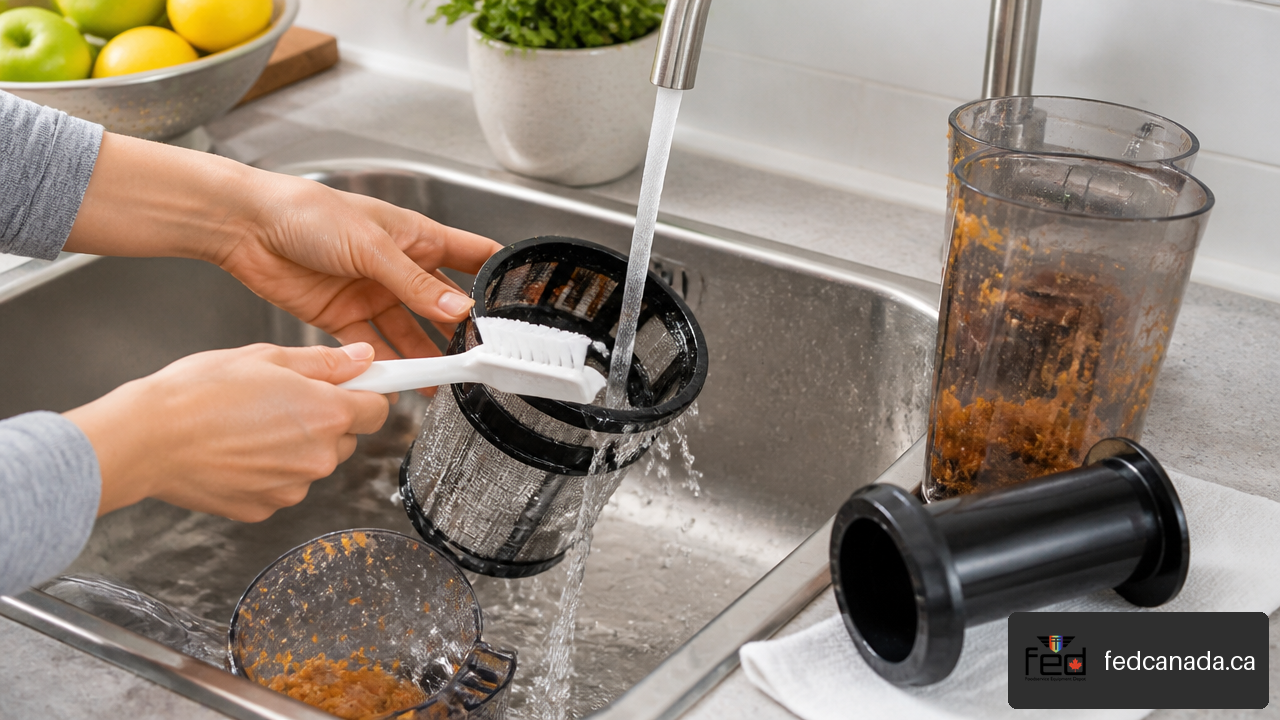
“Dishwasher safe” is useful, but it does not tell you how many parts must be rinsed, whether pulp dries in the screen, or whether your sink has room for the workflow. Prompt rinsing matters because dried pulp becomes much harder to remove from fine mesh filters.
Community reports show how dramatically ownership experience can vary. In one r/Juicing discussion, a user reported cleaning a Sana 727 in under three minutes when components were dried as part of the routine, while another user reported roughly 10 to 15 minutes cleaning a Nama machine in a small sink. These are individual reports rather than controlled tests, but the cleaning discussion in r/Juicing illustrates a real point: kitchen layout can matter as much as the advertised cleaning feature.
A practical cleanup routine is short and disciplined:
Run a little water through the machine, if the manufacturer permits it, immediately after juicing.
Disassemble the removable parts before residue dries.
Brush the screen under running water, paying close attention to tiny openings.
Dry components fully before storage to reduce trapped moisture and odors.
Wipe the motor base only with the method specified in the manual. Never submerge it.
When a Commercial Juice Machine Makes Sense
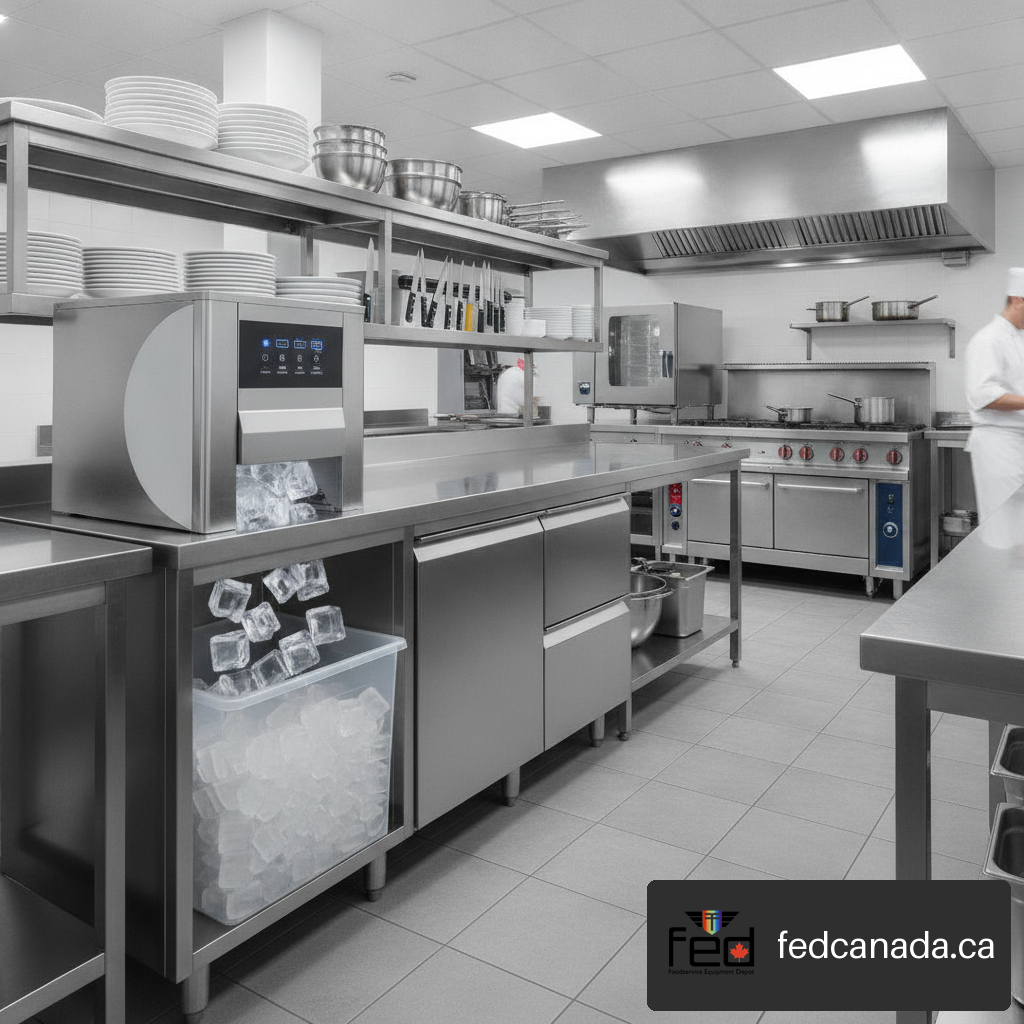
A commercial machine juicer becomes worthwhile when household equipment creates a service bottleneck, not simply because a business wants a more powerful looking appliance. The decision should account for servings, peak demand, staff labor, cleaning interruptions, counter space, and replacement part access.
Calculate capacity from service, not advertised fruit per minute
A listed rate such as 20 citrus fruits per minute can sound impressive, but it is only part of the equation. Fruit size, staff preparation, customer demand, pulp bin capacity, and cleanup all affect actual output. The category listings cited earlier include commercial throughput claims, but these are best used as a starting point for operational planning rather than a guarantee of finished drinks per hour.
Use this planning model:
| Capacity question | What to measure | Why it matters |
|---|---|---|
| Servings per rush | Expected drinks in the busiest 15 minutes | Determines whether the machine can keep up at peak periods |
| Juice per serving | Standard cup size and recipe yield | Prevents underestimating produce needs |
| Feed rate | How quickly staff can safely prepare and load produce | Limits real throughput more than motor speed alone |
| Pulp container capacity | Number of servings before emptying | Reveals interruptions during service |
| Cleaning cycles | Time to rinse, scrub, sanitize, and reassemble | Affects labor and foodservice workflow |
| Service access | Availability of screens, seals, and support | Reduces downtime when a wear part fails |
For example, a café selling ten fresh orange juices during a slow hour may do well with a focused citrus workflow. A hotel breakfast bar, however, may need equipment that can handle repeated batches without constant emptying and sanitation delays. A restaurant producing a small batch of celery apple juice for cocktails faces a different need again: quiet operation and ingredient flexibility may matter more than raw speed.
Separate extraction from dispensing
Juicing and dispensing are related jobs, but they are not the same. A commercial extractor makes fresh juice from produce; a dispenser holds and serves prepared beverages. If your operation needs chilled, portioned service after extraction, a unit such as the Cofrimell Commercial Juice Dispenser fits the dispensing side of that workflow.
For fresh extraction at the counter, equipment designed for continuous operator use may be a better fit. The Robot Coupe J100 Automatic Juice Extractor is an example of a commercial style juice extractor to evaluate against your menu volume, ingredient mix, cleaning plan, and available electrical service.
Check ownership details before ordering online
For Canadian buyers, the most important specifications are not always on the main product image. Confirm these points before purchasing:
The appliance has appropriate Canadian electrical certification or marking for its intended use
The voltage, plug type, and electrical circuit suit your location
Replacement screens, seals, pulp containers, and brushes are available
Warranty terms apply in Canada and explain who handles service
The assembled footprint fits under cabinets and leaves space for ingredient staging
The seller can clearly explain shipping, returns, damaged freight procedures, and parts support
Premium pricing deserves the same scrutiny. In a separate r/Juicing conversation, one user described spending approximately US$600 on a Nama J2. That was a personal reference, not a current Canadian price, but the Nama J2 discussion captures a common buying risk: paying for a premium machine only makes sense if its workflow encourages frequent use.
Key Takeaways
Buy for ingredients first
Choose a centrifugal machine juicer for speed focused batches of hard produce.
Choose a masticating or cold press model when greens, celery, ginger, and mixed produce are routine ingredients.
Choose a citrus juicer when oranges, lemons, limes, and grapefruit are the main job.
Use a blender when you want fiber rich drinks rather than separated juice.
Treat ownership as part of performance
Compare pulp moisture, juice volume, preparation, and cleanup as one system.
Expect a large feed chute to reduce chopping, not eliminate washing, peeling, pitting, or trimming.
Rinse parts immediately and clean the screen before pulp dries.
For commercial use, calculate peak servings, emptying intervals, staff labor, and sanitation time before choosing by motor power alone.
FAQ
Choosing and using a machine juicer
Which machine juicer is best for apples, carrots, and leafy greens?
For apples and carrots, a centrifugal juicer is often the fastest practical option. For kale, spinach, celery, and herbs, a masticating model is generally the safer starting point because it handles fibrous ingredients more gradually. If your recipes mix both groups, choose based on the ingredient you juice most often rather than the occasional recipe.
Is a centrifugal or cold press juicer better for everyday use?
Neither is automatically better. A centrifugal model suits people who value speed and often juice firm produce. A cold press or masticating model suits people who regularly juice greens and are comfortable with slower feeding. Everyday use comes down to the machine you will wash and use repeatedly.
Can a regular juice extractor process citrus fruit?
Many multipurpose extractors can process peeled citrus, but a dedicated citrus juicer is usually simpler when citrus is the main ingredient. Remove thick peel and avoid feeding hard pits. Check the manual because compatible ingredients and preparation rules differ by model.
Is a portable rechargeable juicer powerful enough for hard produce?
Portable rechargeable models are generally intended for smaller quantities and lighter household use. They may be convenient for soft fruit drinks or limited servings, but they are not a dependable substitute for a full size extractor when you routinely process carrots, beets, or large batches.
Cleaning, storage, and troubleshooting
How long does machine juicer cleanup really take?
It varies. A quick rinse and brush may take only a few minutes in a spacious, well organized sink, while a multi part machine in a small sink can take considerably longer. Plan for the full process: disassembly, screen brushing, drying, and putting parts away. Dishwasher safe parts can help, but they do not remove the need to rinse the filter promptly.
Why does my machine juicer clog or leave wet pulp?
Common causes include overfeeding, long fibers from celery or greens, a blocked screen, or using very soft produce in a machine that is not designed for it. Feed smaller pieces steadily, alternate greens with water rich produce, stop and clean the screen when flow slows, and review the manufacturer’s ingredient guidance.
How long can fresh juice be stored in the refrigerator?
Fresh juice is best consumed soon after extraction. Storage quality depends on ingredients, temperature, container cleanliness, headspace, and handling. One Hamilton Beach slow juicer listing makes a manufacturer specific claim about retaining flavor and nutrients for up to three days under refrigeration, but that should not be generalized to every recipe or machine. Use a clean sealed container, refrigerate promptly, and discard juice with signs of spoilage.
Sources
Retailer and manufacturer information
Best Buy Canada — Popular Juicers: https://www.bestbuy.ca/en-ca/shop/popular-juicers
Hamilton Beach Canada — Juicers: https://hamiltonbeach.ca/juicers
Community discussions
Reddit, r/Juicing — Best juicer machine that isn't a nightmare to clean?: https://www.reddit.com/r/Juicing/comments/1mu4jsf/best-juicer-machine-that-isnt-a-nightmare-to-clean/
Reddit, r/Juicing — Nama J2: https://www.reddit.com/r/Juicing/comments/1i0p470/nama_j2/
Recent Posts


Leave a Comment
Your email address will not be published. Required fields are marked *