




Scratch and Dent Restaurant Equipment: A Smart Buying Guide
Scratch and dent restaurant equipment can be a practical way to lower startup or replacement costs without automatically accepting the uncertainty that comes with heavily used equipment. The key is to treat each unit as an individual purchase: confirm what happened to it, where the blemish is located, whether it affects sanitation or installation, and what protection applies if a problem appears after delivery.
Table of Contents
- Understanding condition, value, and risk
- Inspecting equipment before purchase and delivery
- Safety, sanitation, and Canadian installation checks
- Deciding when scratch and dent is the right choice
- Frequently asked questions
Understanding Condition, Value, and Risk
Key Takeaways
- Scratch and dent restaurant equipment usually has cosmetic damage, packaging damage, a return history, or minor freight damage, but its exact condition varies by individual unit.
- A meaningful discount matters only when the unit remains safe to install, easy to clean, properly certified, and adequately protected by a warranty or return policy.
- Back of house equipment is often a better fit for visible scratches or dents than customer facing display equipment.
- Before accepting freight, document the condition with photos, record the serial number, inspect the packaging, and note exceptions on the bill of lading.
- For Canadian operators, electrical listing, gas approval, local installation rules, and health inspection requirements deserve the same attention as the purchase price.
What Scratch and Dent Actually Means
Scratch and dent equipment is discounted commercial kitchen equipment with a known imperfection. That imperfection may be a surface scratch, a shallow dent in a side panel, scuffed stainless steel, damaged packaging, a customer return, or a unit affected during warehouse handling or freight transport.
The phrase does not guarantee that every issue is cosmetic. It describes a selling condition, not a universal technical standard. One refrigerator may have a dent hidden against a wall and otherwise be untouched. Another may have a bent corner from transit that requires closer inspection around the door, hinges, frame, refrigeration lines, or control panel.
Retail outlet programs commonly include equipment from several paths. Central Restaurant Products describes its outlet inventory as fully functioning equipment that may result from returns, mis ships, minor freight damage, or refurbishment. That range explains why a buyer should never assume that every outlet item has the same history.
A useful way to think about the category is this: the discount compensates you for accepting a disclosed condition difference. It should not compensate you for accepting unknown operational, safety, or compliance problems.
Scratch and Dent, Open Box, Refurbished, and Used
These labels can overlap, but they should not be treated as interchangeable. The table below helps separate the buying questions each condition raises.
| Condition | Typical history | Main buyer advantage | Main question to ask |
|---|---|---|---|
| Scratch and dent | New, returned, or transit affected unit with visible blemishes | Lower price with potential near new performance | Is the damage surface only, and is the unit fully tested? |
| Open box | Packaging opened or item returned, sometimes unused | May have little or no visible damage | Are all accessories, manuals, and parts included? |
| Refurbished | Used or damaged unit repaired for resale | Can offer value when repairs are documented | What was repaired, who completed it, and what warranty applies? |
| Used | Previously operated in a commercial or residential setting | Often the lowest upfront price | What is the maintenance history and remaining service life? |
Scratch and dent often sits between new and used because the buyer may receive a newer unit at a reduced price while avoiding some wear associated with long term operation. WebstaurantStore identifies scratch and dent as a middle option between new and used equipment, noting that some units may still carry warranties.
That distinction matters most for equipment with expensive internal systems. A used reach in refrigerator may have years of compressor runtime and unknown maintenance. A scratch and dent refrigerator may have a marked side panel but little or no operating history. Yet the second option is only safer if the impact did not compromise the cabinet, door seal, refrigerant circuit, or electrical components.
How Much Can You Save?
Discounts vary with brand, damage location, model demand, whether the packaging is intact, and the seller’s policy. Some programs advertise substantial markdowns. KaTom reports that scratch and dent programs may discount items by at least 25 percent, often involving shipping damage or returns.
We recommend calculating the installed cost, not just the posted price. A lower equipment price can disappear quickly if the unit needs replacement panels, missing accessories, a technician inspection, a second delivery attempt, or a difficult return shipment.
For example, a discounted commercial range may look attractive at 30 percent below regular price. If its dent is limited to a rear panel that will sit against a wall, the discount may be compelling. If the same impact affects the gas connection area or twists the frame so the oven door no longer seals evenly, the savings could be too small to justify the risk.
Inspecting Equipment Before Purchase and Delivery
Ask for Unit Specific Evidence Before You Pay
Condition descriptions should be specific enough to let you judge placement, repair risk, and appearance. General wording such as “minor blemish” is not enough for a large purchase unless photographs show the affected area.
Ask the seller for the following before committing:
- Current photos from multiple angles, including the damaged area and any model or serial number labels.
- A clear description of whether the unit is unused, open box, returned, refurbished, or freight damaged.
- Confirmation of included shelves, casters, legs, cords, probes, manuals, brackets, and other accessories.
- Information about functional testing, if any was performed.
- Written warranty coverage, exclusions, return eligibility, restocking fees, and who pays return freight if the item is not as described.
- Dimensions, utility requirements, and certification details needed for your site.
The unit level approach is essential because outlet inventory is not standardized. Equippers notes that scratch and dent appliances can have minor cosmetic flaws while still performing like new, but that general principle does not replace inspection of a particular item.
A close photo can reveal whether a dent is merely in a removable side panel or located at a structural corner. Ask for context: show the whole side, not only the mark. A two inch dent halfway up a refrigerator sidewall may be cosmetic. The same dent beside a hinge, latch, control board, or drain connection deserves a more cautious review.
Use a Receiving Process for Freight Deliveries
Freight damage claims often turn on what happened at delivery. Once a unit is signed for without exceptions, it can be harder to establish when damage occurred. That is why receiving should be a documented workflow, not a quick signature while the driver waits.
Before Signing the Bill of Lading
- Compare the shipment count, model number, and visible serial number against the order documents.
- Inspect all sides of the packaging for crushed corners, punctures, water exposure, broken bands, tears, or signs that the pallet shifted.
- Photograph the unopened package from each side, especially any damaged area.
- If damage is visible, open the packaging when feasible and inspect the unit before signing.
- Write specific exceptions on the bill of lading. “Damaged” is less useful than “carton punctured on left side; stainless side panel dented.”
- Keep copies of the signed delivery record, photos, packing materials, and all correspondence until the item is operating properly.
A clean bill of lading does not prove the equipment is perfect. It records that no visible issue was noted at delivery. Concealed damage can still exist, particularly when an impact affects internal components.
Look Beyond the Stainless Steel Surface
Cosmetic damage can conceal a functional concern when it occurs in the wrong place. During inspection, focus on interfaces: doors, seals, corners, joints, utility connections, control panels, and moving components.
For refrigeration equipment, check whether doors align and close smoothly, gaskets contact evenly, shelves sit level, drain connections are intact, and panels do not press against refrigeration lines.
For cooking equipment, check knobs, burners, doors, hinges, griddles, thermostatic controls, and any visible gas or electrical connection points.
For sinks and worktables, inspect welds, drain fittings, undershelves, legs, and seams that may be difficult to keep clean.

A functional test should match the equipment type. A refrigerator should reach and maintain its intended operating temperature after sufficient run time. An oven should heat predictably and allow controls, door seals, and safety components to operate as intended. A powered appliance should not show damaged cords, loose plugs, cracked controls, unusual odors, or signs of overheating.
If a seller cannot confirm condition beyond a broad category, price the uncertainty into the decision. For high consequence equipment, such as a walk in refrigeration component, combi oven, or gas range, an independent qualified technician inspection may be prudent before final installation.
Safety, Sanitation, and Canadian Installation Checks
A Blemish Must Not Create a Cleaning Problem
In foodservice, a surface issue is not purely aesthetic if it creates an area that traps food debris, moisture, grease, or cleaning chemicals. Scratches in stainless steel are often manageable when they are smooth and accessible. Deep gouges, cracked coatings, separated seams, distorted door edges, broken welds, or damaged food contact surfaces require more scrutiny.
The practical test is simple: can the area be cleaned and sanitized effectively, and does the damage leave a crevice, sharp edge, flaking surface, or exposed material?
This depends on the equipment and location. A shallow dent on the exterior side of a back bar refrigerator may be acceptable. A damaged interior liner in a refrigerated prep table could be harder to justify because it affects a surface exposed to food containers, spills, and routine cleaning.
We recommend considering both sanitation and workflow. A dented lower panel may not affect food safety, but a sharp edge at knee height can create an employee injury hazard. A warped shelf might technically remain usable yet make pans unstable during service. The right decision is not whether the flaw is visible; it is whether the flaw changes safe, clean, reliable operation.
Verify Electrical and Gas Requirements Before Installation
Transit impacts can affect more than the finish. A hard strike may loosen wiring, damage terminals, distort frames, or place stress on gas connections. Do not connect an appliance simply because it powers on or appears intact. Before installation, confirm:
- The voltage, phase, amperage, plug type, and circuit requirements match the building’s electrical service.
- The appliance has an electrical safety listing accepted for the intended Canadian jurisdiction.
- Gas fired equipment has the required approval and is compatible with the available gas type and pressure.
- Clearances, ventilation, fire suppression, drainage, and make up air requirements are compatible with the site.
- A qualified installer can inspect connections and commission the unit where required.
Canadian requirements can vary by province, municipality, health authority, insurer, and building condition. There is no single shortcut that makes a unit acceptable everywhere. A product sold in another country, or acquired through cross border liquidation, may create certification or service complications even if its physical condition is excellent.
Fair warning: a deeply discounted imported unit can become expensive if it lacks an acceptable electrical listing, has incompatible gas components, or cannot be approved by local authorities. Verify this before arranging delivery, especially for hard wired or gas fired equipment.
Warranty and Return Terms Are Part of the Condition
Warranty protection is not automatic. It may be manufacturer coverage, seller coverage, limited coverage for specific components, or no coverage at all. Returns can also differ sharply for outlet, clearance, special order, refurbished, and freight damaged products.
Ask for answers in writing to four questions:
- Does a manufacturer warranty apply to this exact serial number?
- Does cosmetic damage affect warranty eligibility or service claims?
- What defects qualify for a return, and how quickly must they be reported?
- Who pays for pickup, return freight, inspection, repair, and restocking if the issue is not cosmetic?
A reasonable policy may still exclude marks that were disclosed before purchase. That is not necessarily a concern. The important distinction is between accepting a known dent and losing recourse for an undisclosed operational fault.
Deciding When Scratch and Dent Is the Right Choice
Best Fits for Discounted Cosmetic Inventory
Scratch and dent restaurant equipment works best when the damage is documented, nonstructural, away from food contact surfaces, and unlikely to affect installation or maintenance. It is particularly sensible when the equipment will be placed in a back of house location where appearance is secondary.
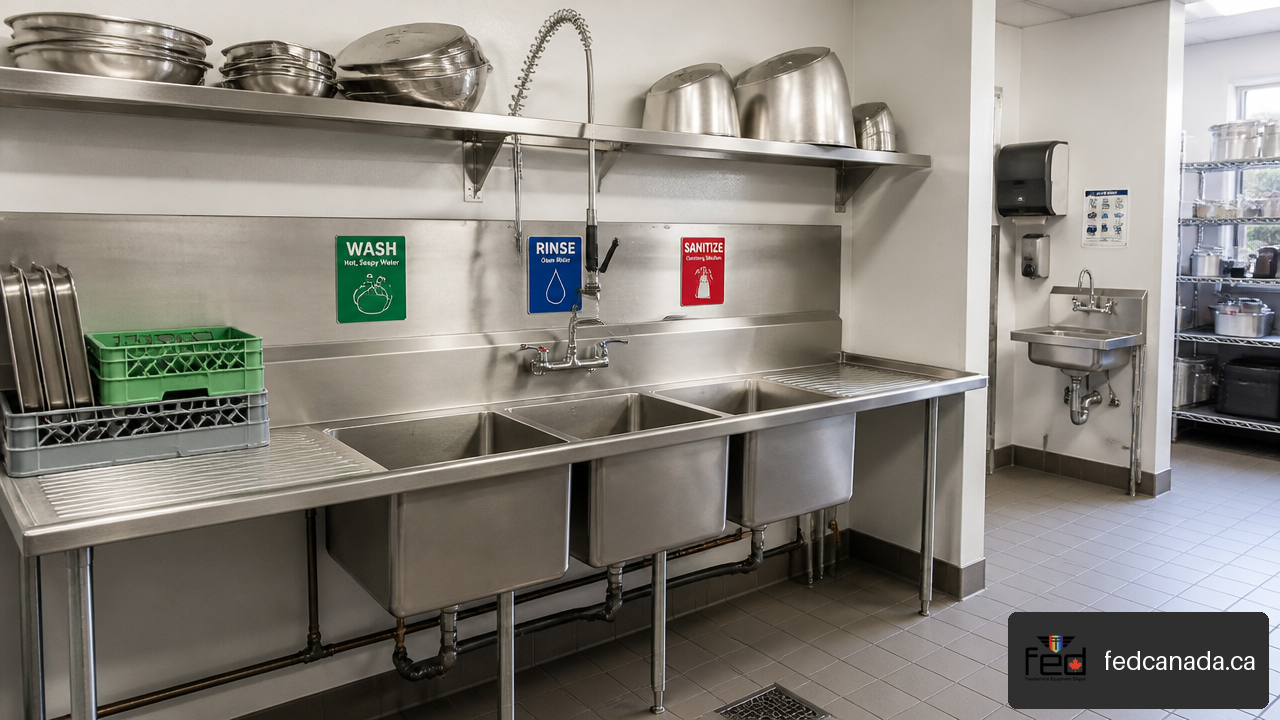
Common examples include a reach in refrigerator with a scuff on the side facing a wall, a stainless steel worktable with a small underside dent, a utility sink with packaging damage but intact bowls and fittings, or an oven with a marked side panel that does not affect the door, controls, or utility connection.
WebstaurantStore’s outlet describes discounted transit affected new equipment across restaurant categories, including categories where a cosmetic defect may have little effect on day to day output. Still, category alone does not determine suitability. The location and nature of the mark do.
When Used Equipment May Be the Better Buy
Scratch and dent is not always superior to used equipment. A well maintained used unit with service records, a recent inspection, readily available parts, and a trusted warranty may be a better purchase than a newer unit with ambiguous freight damage.
| Situation | Scratch and dent may be the stronger choice | Used may be the stronger choice |
|---|---|---|
| Damage is limited to a side panel | Yes, if photos and testing support cosmetic only damage | Possible, but compare operating hours and maintenance history |
| Damage is near hinges, controls, wiring, or gas connections | Usually avoid unless professionally inspected and protected | Consider a documented used unit instead |
| Equipment will be visible to guests | Only if marks are minor and acceptable for the design | A cleaner used unit may present better |
| Warranty is short or unclear | Discount must be substantial to justify risk | A serviced used unit with written coverage may be safer |
| Installation cost is high | Choose only when compliance and condition are certain | Choose the option with lower total risk, not lower sticker price |
The decision becomes clearer when you compare risk concentration. With used equipment, the concern is often accumulated wear. With scratch and dent equipment, the concern is whether a specific event caused hidden damage. A solid used machine may be predictable if maintenance is documented. A new looking scratch and dent machine may be uncertain if the impact history is vague.
A Practical Purchase Rule
We suggest using a simple threshold: buy scratch and dent only when the discount is large enough to cover the inconvenience of the visible flaw and the remaining uncertainty is controlled by documentation, inspection, warranty, or return rights.
Avoid it when any of the following are true:
- The seller cannot identify the damage location or equipment history.
- The damage affects a food contact surface, a seam, a door seal, a utility connection, or a critical operating component.
- Required certification, gas approval, or electrical compatibility is unclear.
- Return freight would be financially unrealistic if the unit arrives with undisclosed damage.
- The unit is customer facing and the appearance compromises the intended dining environment.
A lower price is valuable, but downtime is usually more expensive than a surface blemish. The best purchase is the one that reduces capital cost without adding avoidable service, compliance, or replacement risk.
Frequently Asked Questions
Is scratch and dent restaurant equipment still new?
Sometimes. It may be new equipment damaged in transit, a returned unit that was never meaningfully used, open box merchandise, or refurbished inventory. Confirm the unit’s condition history rather than relying on the label alone.
What kinds of damage count as scratch and dent?
Typical examples include scuffs, surface scratches, shallow dents, damaged packaging, and marks from warehouse handling or freight movement. Damage near corners, doors, hinges, controls, wiring, or gas connections requires a closer assessment because it may be more than cosmetic.
Is scratch and dent equipment safe to use in a commercial kitchen?
It can be safe when the damage does not affect structural integrity, cleaning and sanitation, electrical safety, gas connections, refrigeration components, or normal operation. The unit must also meet local installation and approval requirements. If the defect creates a crevice, sharp edge, damaged seal, cracked interior surface, or exposed wiring, do not treat it as a cosmetic issue.
Does scratch and dent equipment usually come with a warranty?
Some units may carry a warranty, but coverage depends on the seller, manufacturer, condition category, and exact serial number. Obtain written confirmation of the coverage period, exclusions, claim process, and whether cosmetic damage affects eligibility before buying.
What should I inspect when freight arrives?
Inspect the packaging, photograph all visible damage, verify the model and serial number, check for missing components, and record specific damage on the bill of lading before signing. After unpacking, inspect doors, panels, utility connections, controls, seals, and accessories, then complete appropriate functional tests as soon as possible.
Can scratch and dent equipment have hidden damage?
Yes. An exterior impact can sometimes affect components behind a panel, especially around corners, doors, controls, refrigeration lines, or connection points. This is why photos, item specific notes, functional testing, and a clear return or warranty policy matter more than a general “cosmetic damage” label.
Is scratch and dent a good option for front of house equipment?
It depends on the design standard and defect location. A hidden mark may be acceptable, but a visible dent on a display refrigerator, service counter, or beverage unit can affect guest perception. For highly visible equipment, compare the discounted price against the cost of a clean panel replacement or a better condition alternative.
Recent Posts
Leave a Comment
Your email address will not be published. Required fields are marked *