



Used Restaurant Equipment: How to Buy Smart and Avoid Costly Mistakes
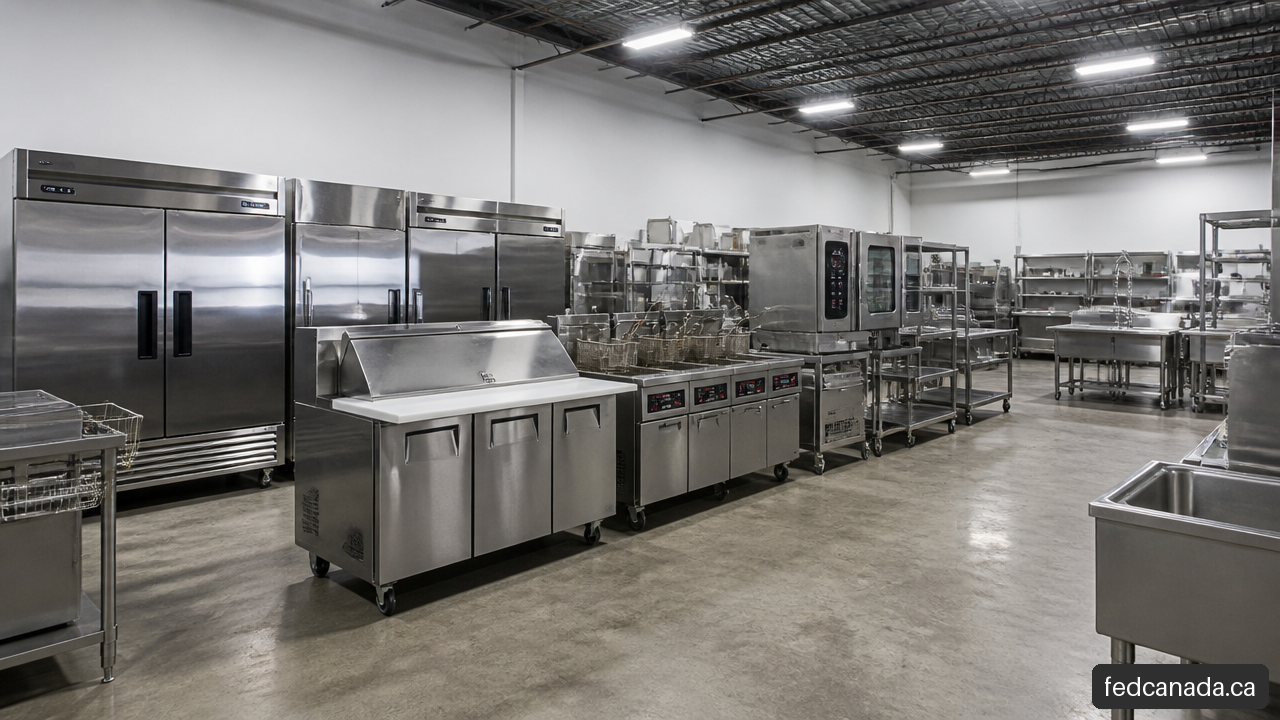
Organized used commercial kitchen equipment in a clean warehouse.
Used restaurant equipment can reduce the upfront cost of opening, replacing, or expanding a commercial kitchen. But the purchase price is only one part of the decision. I recommend treating every used unit as a small project: confirm its identity, inspect its condition, verify that it fits your utilities and space, and calculate the full installed cost before committing.
A used reach in refrigerator that works today but needs a new compressor next month is not a bargain. On the other hand, a well maintained stainless steel prep table, sink, shelving unit, or tested fryer can deliver years of useful service at a much lower capital cost than buying new.
The best used equipment is not necessarily the cheapest unit. It is the unit with the lowest realistic cost after delivery, installation, repairs, utilities, and downtime are considered.
Table of Contents
• How to Choose Used Restaurant Equipment
• Verify Utility, Space, and Code Compatibility
• How to Inspect Condition and Food Safety Risks
• Calculate the Real Cost of a Used Purchase
Key Takeaways
Buy for operational fit, not just for price
Used restaurant equipment makes the most sense when the unit matches the kitchen's menu, production volume, available utilities, and physical layout. I would prioritize equipment with a clear model number, readable nameplate data, documented testing, and warranty terms provided in writing.
A restaurant replacing a failed prep table during a busy week may value immediate availability more than finding the lowest price. A startup planning a full kitchen build, by comparison, has more time to compare utility requirements, freight costs, and installation needs.
Know where the risk belongs
The lower upfront price of used commercial kitchen equipment transfers some risk to the buyer. That risk is manageable when a unit is simple, serviceable, and easy to inspect. It becomes more serious when the equipment is refrigeration dependent, gas fired, electronically complex, or essential to food safety and daily production.
Use this quick decision guide before shopping:
Purchase situation | Used equipment can be a strong fit | Consider new or refurbished equipment instead |
|---|---|---|
Stainless steel worktables, shelving, sinks | Usually low mechanical risk | Choose new if dimensions or certification requirements are exact |
Basic cooking equipment | Good if burners, valves, doors, and controls test properly | Consider refurbished if the unit is heavily used or gas fitting work is extensive |
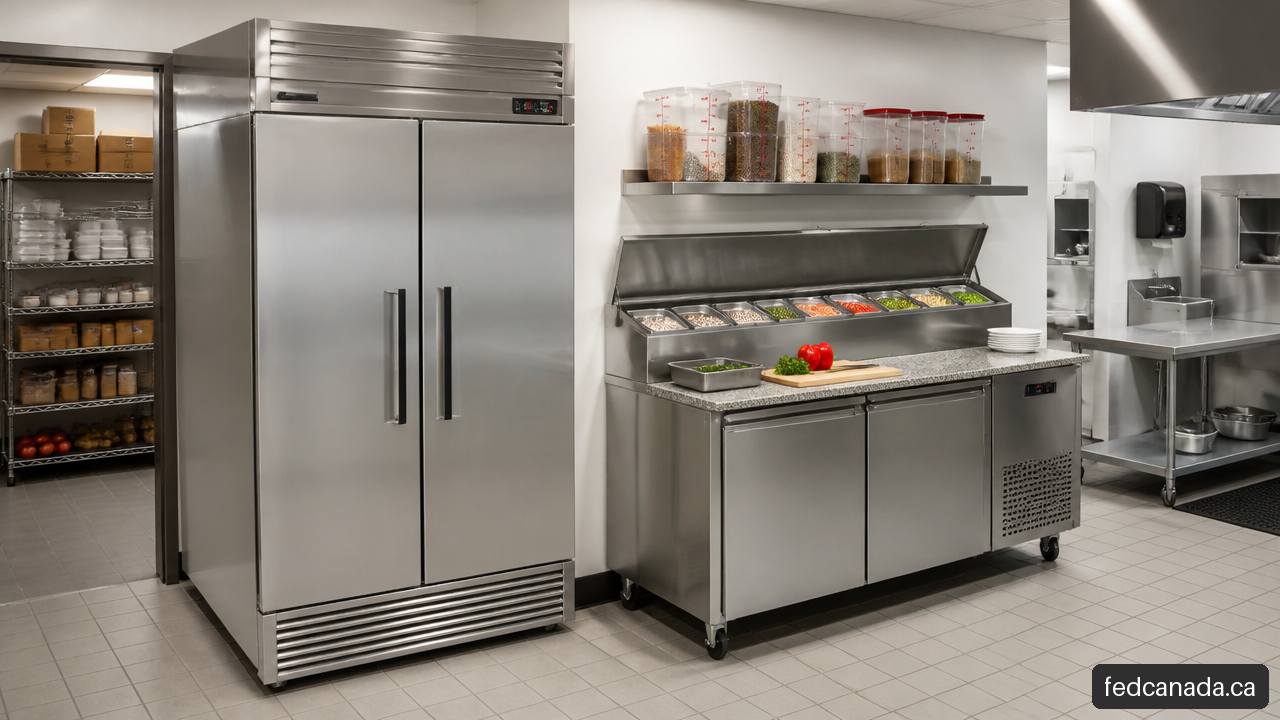
Reach in coolers and prep tables | Suitable when cooling performance, seals, compressor, and service history are verified | Consider new for high volume, temperature critical operations |
Fryers and ovens | Viable if safety controls and heating performance are tested | Consider new when downtime would halt a major menu category |
Ice machines and specialized electronics | Higher risk unless professionally refurbished and warranted | Often better purchased new or with strong parts and labour coverage |
How to Choose Used Restaurant Equipment
Understand used, refurbished, certified used, and as is
These labels are not interchangeable. Used equipment generally means pre owned equipment offered in its present or lightly serviced condition. Refurbished equipment has been repaired, restored, or reconditioned before resale. Certified used equipment is typically a seller category for units that have been inspected or serviced, although the exact process differs by seller.
An as is sale deserves extra attention. It means the buyer accepts the unit in its present condition, often with limited recourse if it develops a problem after pickup or delivery. An as is purchase can still be sensible for simple equipment such as a stainless steel table or wall shelf. It is much riskier for a refrigerated prep table or a gas fryer with unknown service history.
Seller descriptions often use words such as cleaned, inspected, and tested. Those terms are useful, but they do not automatically create broad warranty protection. Listings from refurbished-equipment sellers commonly distinguish unit condition from the separate terms of warranty coverage. Similarly, used-equipment listings show why buyers should request the warranty scope rather than assume that testing includes a manufacturer warranty.
Start with the equipment that is safest to buy second hand
For a new restaurant, it is usually practical to buy durable, low complexity items used first. These items tend to have fewer concealed failure points:
• Stainless steel worktables, equipment stands, shelving, and dunnage racks
• Three compartment sinks, hand sinks, dish tables, and basic prep sinks
• Steam table pans, food storage racks, carts, and non powered holding furniture
• Mixers, slicers, and countertop equipment when guards, controls, and attachments are complete
• Cooking equipment with documented testing and readily available replacement parts
Refrigeration deserves a more selective approach. A commercial refrigerator may look clean and still have worn door gaskets, dirty coils, weak fans, refrigerant system issues, or a compressor near the end of its service life. If the cooler protects expensive inventory or supports a HACCP critical process, a short parts and labour warranty can be more valuable than a slightly lower purchase price.
Verify the unit's identity before payment
Ask for photographs of the manufacturer nameplate, model number, and serial number. This step helps confirm what the unit actually is, rather than what a listing says it is. It also allows you to check dimensions, manuals, replacement parts, accessory compatibility, and whether local service technicians can support the brand.
I would not rely solely on a front photo. Two similar looking ovens can have different electrical phase requirements, gas inputs, control systems, or clearances. A missing serial number, altered nameplate, or model that cannot be matched to documentation should be treated as a reason to pause the purchase.
Match the purchase to your operating risk
Used equipment is a poor fit when one failure can stop service, compromise food safety, or disrupt a high throughput operation. For example, a busy operation that holds large volumes of cooked food may need highly dependable hot holding equipment with accurate controls. A small backup unit may be acceptable used; the only unit supporting peak service may not be.
There is no universal age cutoff that makes equipment unacceptable. Age matters less than maintenance, parts availability, operating hours, and the consequence of failure. A ten year old stainless steel range with available parts may be a better buy than a newer proprietary appliance with unsupported electronics.
Verify Utility, Space, and Code Compatibility
Read the nameplate before comparing prices
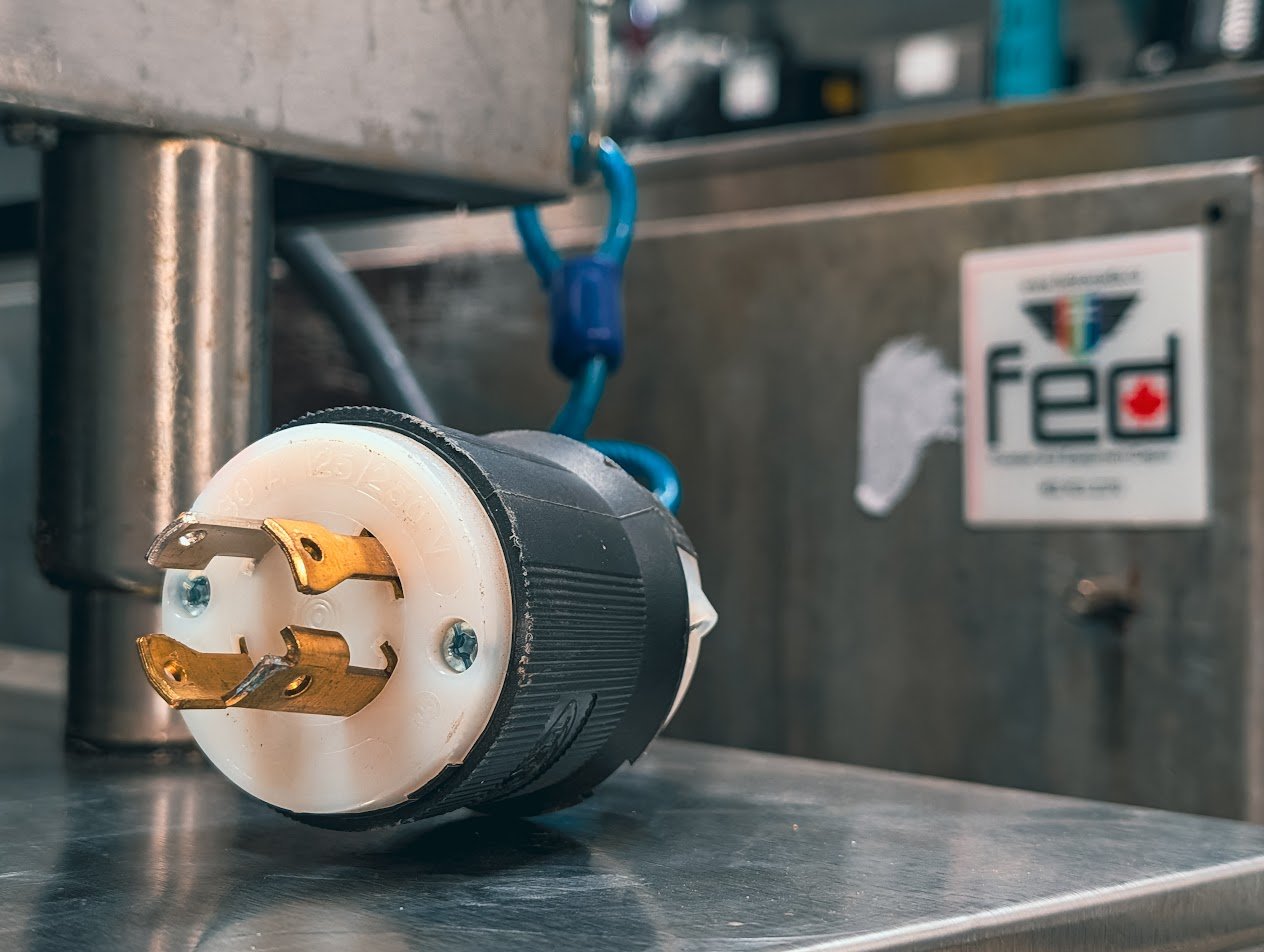
The nameplate is the equipment's identity card. It normally lists voltage, amperage, electrical phase, frequency, gas type, model number, serial number, and sometimes BTU input or refrigerant information. Confirm every relevant specification against your site before reserving a unit.
The electrical mismatch problem is especially costly because it may not be visible until installation. A three phase appliance cannot simply be plugged into a single phase outlet. Converting power or adding circuits can require electrical work, permits, and downtime. The requirement to match commercial equipment to the installed electrical supply is why commercial kitchen electrical compatibility guidance emphasizes nameplate verification before purchase.
Use this pre purchase utility check:
Specification | What to confirm | Why it matters |
|---|---|---|
Voltage | 120V, 208V, 240V, or another listed supply | Incorrect voltage can damage equipment or require costly electrical changes |
Electrical phase | Single phase or three phase | A phase mismatch can make the unit unusable without upgrades |
Amperage | Circuit capacity and breaker requirements | An undersized circuit can trip or fail inspection |
Gas type | Natural gas or propane | Gas appliances must match the local fuel supply and approved configuration |
Ventilation | Hood, fire suppression, clearances, and exhaust needs | Cooking equipment may require changes beyond the appliance itself |
Dimensions | Width, depth, height, door swing, and service clearance | Equipment must fit through access points and allow maintenance |
Gas equipment requires a full installation plan
A used fryer, range, oven, grill, or charbroiler may save money at purchase but generate substantial project costs after delivery. Confirm the local gas type, gas connection requirements, shutoff access, hood capacity, fire suppression requirements, and clearances before buying.
Gas fired equipment should be installed by appropriately qualified personnel under applicable provincial and local requirements. Do not assume a unit configured for one location can be connected safely at another without inspection or adjustment. A fryer converted from natural gas to propane, for example, may require the correct approved conversion components and professional verification.
Measure the delivery path, not just the kitchen footprint
A six foot refrigerator may fit the planned wall and still fail to fit through the rear entrance, hallway turn, elevator, or basement stairwell. Measure the narrowest point of the route, including door openings after handles and trim are considered.
Also confirm whether the delivery quote covers curbside drop off, inside delivery, liftgate service, stair carry, uncrating, placement, or removal of old equipment. Those services are separate from freight surprisingly often. For Calgary pickup purchases, a suitable vehicle, loading plan, and secure tie down method matter just as much as the equipment price.
How to Inspect Condition and Food Safety Risks
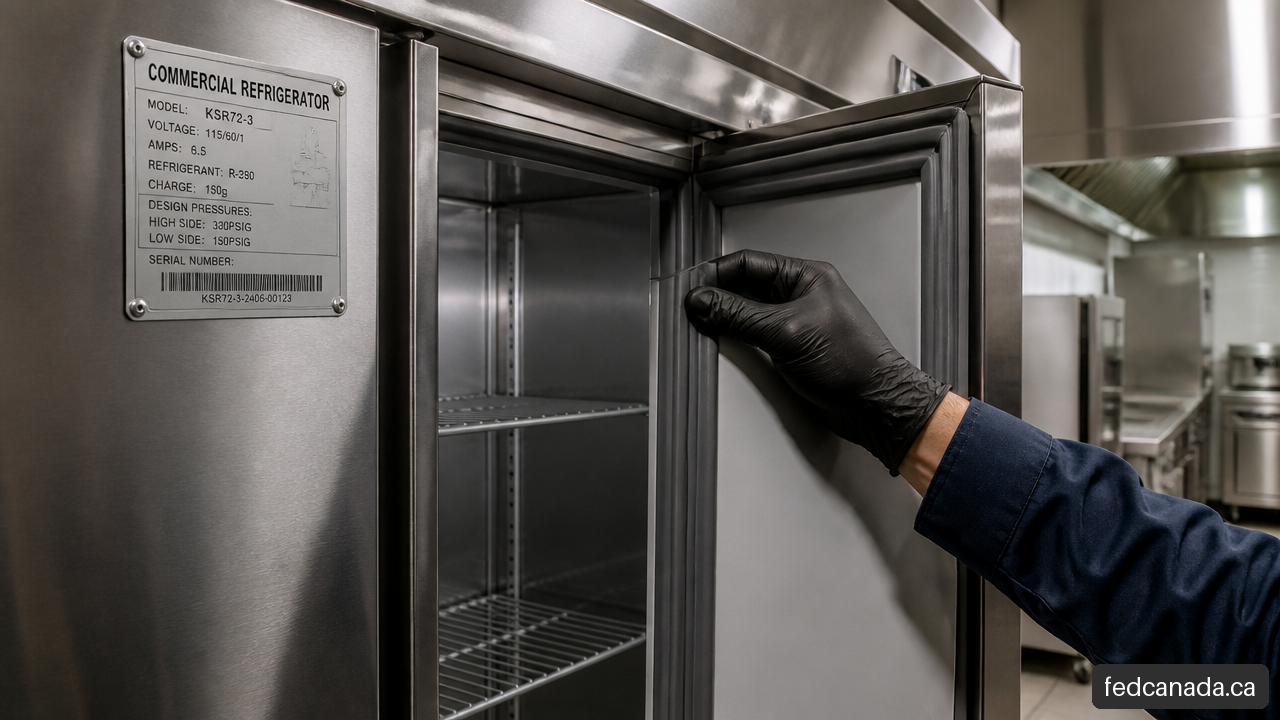
Inspection of a used commercial refrigerator nameplate and door gasket.
Inspect the parts that reveal hidden wear
A visual inspection should move beyond polished exterior stainless steel. Open doors, remove pans, look behind removable panels where permitted, and inspect components that experience heat, moisture, vibration, and repeated cleaning.
For refrigeration, check door gaskets, hinges, interior liners, evaporator areas, fan operation, drain lines, shelving supports, and temperature recovery after the door has been opened. For fryers, inspect the vat, drain valve, baskets, thermostat response, burner condition, pilot or ignition system, and signs of oil leakage. For ovens, test ignition, burners or elements, door closure, thermostat behavior, racks, and control knobs.
A functional demonstration is more useful than a statement that the unit powers on. Ask to see the refrigerator pull down toward its operating temperature, the fryer heat and cycle, or the oven maintain a set temperature. If a live test is not available, price the unit as carrying more uncertainty.
Reject sanitation problems that cleaning cannot solve
Commercial kitchen equipment must be durable, cleanable, and suitable for foodservice use. Surface damage is not merely cosmetic when it creates places where soil and moisture remain trapped. Food safety guidance recognizes that damaged, deteriorated, and hard to clean equipment can undermine sanitation; this is why guidance on cleanable foodservice surfaces supports caution around cracked, worn, or difficult to sanitize components.
Walk away or request repair when you find:
• Deep cracks, pitting, corrosion, or peeling coatings on food contact surfaces
• Split gaskets, damaged seams, missing drain components, or persistent odours
• Porous repairs, exposed insulation, loose interior liners, or swelling materials
• Rust in areas likely to contact food, water, or cleaning chemicals
• Missing guards, broken safety interlocks, or inaccessible areas that cannot be cleaned
A dent in an exterior side panel may be acceptable. A cracked interior refrigerator liner or degraded gasket is different because it can interfere with cleaning, temperature control, or both.
Ask for maintenance records and warranty terms in writing
Service history can reveal whether a unit has had recurring failures or major repairs. Useful records include compressor replacements, control board repairs, gas valve service, thermostat replacement, and preventive maintenance notes. Lack of records does not automatically make the purchase unsuitable, but it should lower the price you are willing to accept.
Read the warranty carefully. A parts and labour warranty can cover components and technician time. A parts only warranty may still leave the buyer paying diagnostic, travel, and installation charges. Confirm these details:
Warranty duration and start date
Covered components and excluded components
Whether labour, travel, and diagnostic charges are included
Geographic service limits and who chooses the repair provider
Whether pickup, delivery, installation, or misuse affects coverage
The written process for reporting a failure
Calculate the Real Cost of a Used Purchase
Build a landed cost estimate
The fair price of used restaurant equipment is not determined by age alone. Brand reputation, condition, remaining service life, parts availability, demand, included accessories, and replacement cost all affect value. Because there is limited standardized Canadian data for used equipment depreciation, I would use a practical comparison model rather than a fixed percentage rule.
Start with the realistic replacement cost of a comparable new unit. Then subtract for age, visible wear, uncertain maintenance, limited warranty, missing accessories, and expected repair exposure. Add every cost required to put the equipment into daily service.
Cost category | Example questions to include | Common mistake |
|---|---|---|
Purchase price | Is tax included? Are baskets, shelves, legs, or casters included? | Comparing only sticker prices |
Freight and rigging | Is delivery curbside, inside, or fully placed? | Assuming a large appliance can be moved with standard delivery |
Installation | Are electrical, gas, plumbing, hood, or fire suppression changes needed? | Treating installation as a minor expense |
Repairs and cleaning | Are seals, filters, casters, calibration, or deep cleaning needed? | Ignoring immediate post purchase work |
Operating cost | Will an older compressor or burner consume more utilities? | Focusing only on purchase savings |
Downtime risk | What happens if this unit fails during service? | Buying the cheapest option for a critical station |
Consider operating cost, especially for refrigeration
An older refrigerator can be inexpensive to buy but costly to operate if its compressor runs excessively, gaskets leak, coils are dirty, or controls are inaccurate. This does not mean older equipment is automatically inefficient. It means that refrigeration needs a performance check, not just a cosmetic inspection.
For a used reach in cooler, ask for temperature readings, observe how long it takes to recover after the door opens, and inspect gasket condition. If the unit cycles constantly or cannot maintain a stable temperature during a demonstration, any purchase discount may disappear through repairs, product loss, and higher energy use.
Use used inventory strategically
Used inventory is often made up of individual pieces from restaurant closures, remodels, trade ins, consignment, and inventory liquidation. That can create excellent opportunities, but it also means an exact unit may sell before a full build is ready.
For non critical items, buying a good used unit when it becomes available can be sensible. For a critical production appliance, it may be better to define acceptable alternatives in advance: approved brands, maximum dimensions, utility requirements, and the highest all in budget. This allows a faster decision without skipping due diligence.
Frequently Asked Questions
What is considered used restaurant equipment?
Used restaurant equipment is commercial kitchen equipment that has previously been owned or operated. It may be sold as is, cleaned and tested, inspected, refurbished, or certified used. The condition label matters, but the actual inspection record, warranty scope, and utility compatibility matter more.
Is refurbished restaurant equipment better than used equipment?
Often, but not automatically. Refurbished equipment may have repaired components, improved appearance, and some warranty coverage. It can be a better choice for refrigeration or powered cooking equipment when the seller documents what was repaired and what remains covered. Basic stainless steel items may not justify paying a refurbishment premium if they are already structurally sound and cleanable.
How much should used restaurant equipment cost?
There is no reliable universal percentage because equipment condition and installation needs vary widely. Compare the unit against a comparable new replacement, then deduct for age, wear, missing accessories, uncertain history, and limited warranty. Add freight, rigging, installation, repairs, and expected operating costs before deciding whether the savings are real.
What should I check before buying a used commercial refrigerator?
Verify the model and serial number, electrical requirements, temperature performance, compressor and fan operation, door gaskets, hinges, interior liner, drain system, shelving, and warranty coverage. Ask for a live demonstration whenever possible. For a temperature critical operation, avoid a unit that cannot show stable cooling performance or has damaged interior surfaces.
How do I inspect a used fryer, oven, or prep table?
For fryers and ovens, test heating, controls, safety features, doors, burners or elements, and signs of leaks or corrosion. For prep tables, inspect food contact surfaces, drawers, rails, seams, legs, casters, and refrigeration performance if applicable. Confirm all removable parts are included and that the unit can be cleaned thoroughly.
What electrical or gas specifications do I need to verify?
Check voltage, phase, amperage, plug or hardwire requirements, gas type, BTU input where applicable, ventilation needs, clearances, and local installation requirements. The nameplate should match your site plan. If there is any uncertainty, confirm details with a qualified electrician, gas fitter, or installer before purchasing.
Does used restaurant equipment come with a warranty?
Sometimes. Coverage can range from no warranty to limited parts coverage or parts and labour coverage. Never assume that inspected or tested means fully warranted. Request the warranty document and confirm exclusions, geographic limits, labour coverage, service-call costs, and the process for reporting defects.
Is used restaurant equipment worth it for a new restaurant?
Yes, when purchases are selective. Used shelving, sinks, worktables, storage, and some tested cooking equipment can preserve budget for permits, ventilation, refrigeration, smallwares, inventory, and staffing. Avoid overloading the used strategy with equipment where failure would threaten food safety or stop the core menu. A mixed approach often provides the best balance: dependable new equipment for the highest risk stations and quality used equipment for durable, lower risk categories.
Sources & References
• Foodservice Equipment Depot Calgary, AB — Foodservice Equipment Depot (FED)
• Foodservice Equipment Depot Restored Like New — https://fedcanada.ca/category/clearance
• Foodservice Equipment Depot Used Restaurant Equipment — https://fedcanada.ca/category/clearance
Recent Posts

Leave a Comment
Your email address will not be published. Required fields are marked *